
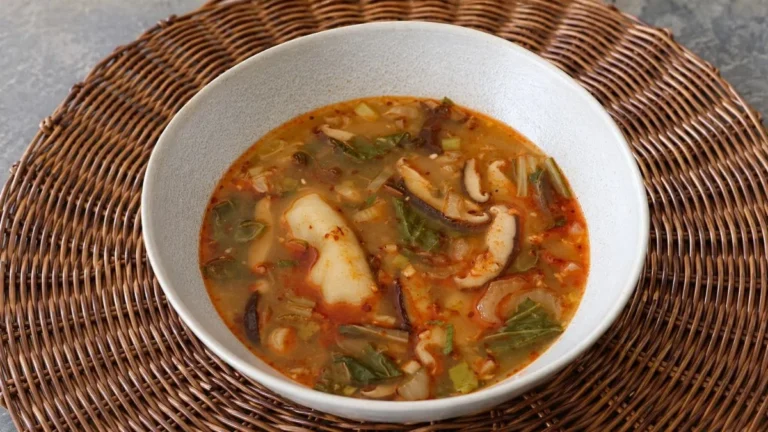

There is something truly special about a steaming bowl of potsticker soup that brings together bold flavors, comforting warmth, and wholesome ingredients in every single spoonful.
This potsticker soup recipe is built on a rich, savory broth deeply layered with garlic, ginger, and miso – and it all comes together in under 30 minutes using simple, everyday ingredients.
Whether you need a quick weeknight dinner or a cozy weekend meal, this easy potsticker soup recipe delivers restaurant-quality flavor without the fuss. This base recipe can also inspire comforting variations like onion soup meatloaf and chicken noodle soup.
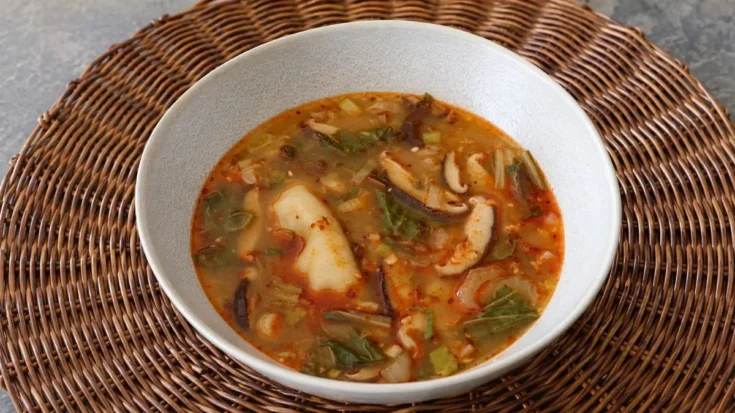
Tender frozen potstickers, earthy shiitake mushrooms, and crisp bok choy swim in a spicy, umami-loaded broth that warms you from the inside out. Once you try this pot sticker soup, it will earn a permanent spot in your home kitchen.
What Does Potsticker Soup Taste Like?
This soup is a beautiful balance of bold, complex flavors. The broth is deeply savory and umami-rich, thanks to the combination of soy sauce, miso paste, and toasted sesame oil.
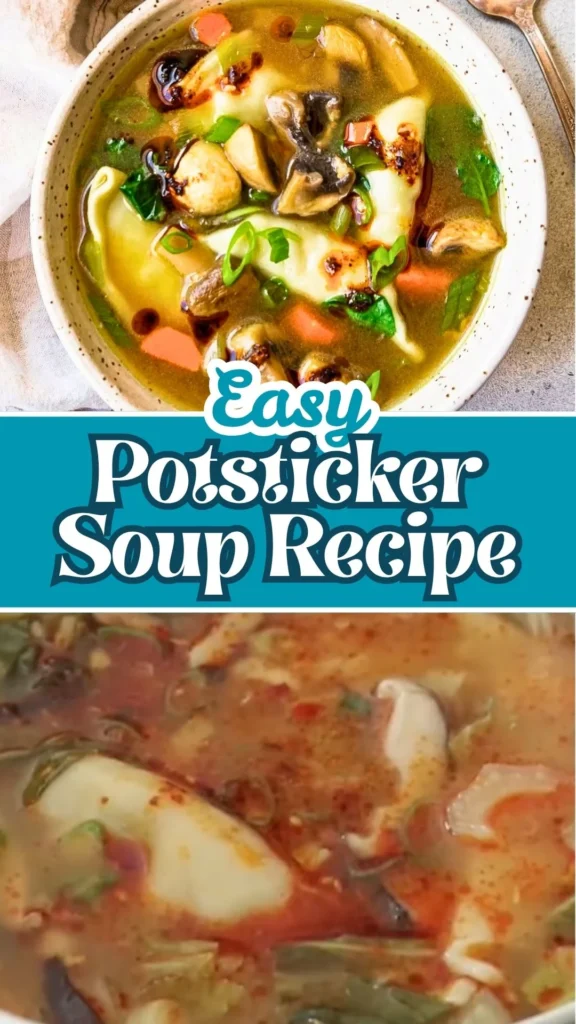
Fresh ginger and garlic bring a warm, aromatic sharpness, while rice wine vinegar adds a subtle tang that brightens everything up. The chili crisp and hot sauce give it a satisfying kick – making this a genuinely spicy potsticker soup experience. The potstickers themselves are soft and pillowy with a juicy, flavorful filling.
The shiitake mushrooms add earthiness, and the bok choy brings a fresh, slightly crunchy contrast. Every spoonful is hearty, comforting, and layered with depth.
Potsticker Soup Ingredients
For the Soup:
- Frozen potstickers – 1 package (about 12–20 pieces, vegetable or chicken)
- Shiitake mushrooms – 1 cup sliced (fresh or dried, stems removed)
- Bok choy – 1 head (white stems and dark green leaves separated)
- Green onions / scallions – 1 bunch (white parts for cooking, green tops for garnish)
- Garlic – 3 cloves, finely minced
- Fresh ginger – 2 tablespoons, very finely minced
- Chicken broth or vegetable broth – 4 to 6 cups
- Vegetable oil or neutral oil – 1 to 2 tablespoons (for sautéing)
- Soy sauce – to taste
- Rice wine vinegar – a generous splash
- Toasted sesame oil – 2 teaspoons
- Hot sauce (such as Sriracha) – 2 teaspoons or to taste
- Miso paste – 1 heaping spoonful (optional, added at the very end)
- Chili crisp – 1 heaping spoonful (stirred in) + extra for serving
- Salt – to taste
Optional Garnishes:
- Extra chili crisp
- Freshly chopped green onion tops
Kitchen Utensils You’ll Need
- Large soup pot or Dutch oven
- Sharp chef’s knife
- Cutting board
- Wooden spoon or silicone spatula
- Ladle
- Measuring spoons
- Small bowl (for dissolving miso paste)
Preparation Time, Cooking Time, and Servings
- Prep Time: 10 minutes
- Cook Time: 15–20 minutes
- Total Time: 25–30 minutes
- Servings: 3 to 4
How to Make Potsticker Soup – Step-by-Step Potsticker Soup Recipe Instructions
Step 1: Prep Your Vegetables
Remove the tough stems from the shiitake mushrooms and slice the caps about ⅛-inch thick. Cut the bok choy in half lengthwise, separating the white stems from the dark green leaves.
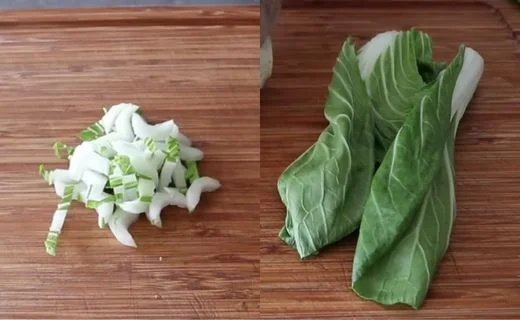
Slice the stems about ¼-inch thick and the leaves into 1 to 2-inch wide pieces. Slice the green onions, keeping the white parts separate from the green tops.
Step 2: Sauté the Mushrooms
Heat 1 to 2 tablespoons of oil in a large soup pot over high heat. Add the sliced shiitake mushrooms with a pinch of salt.
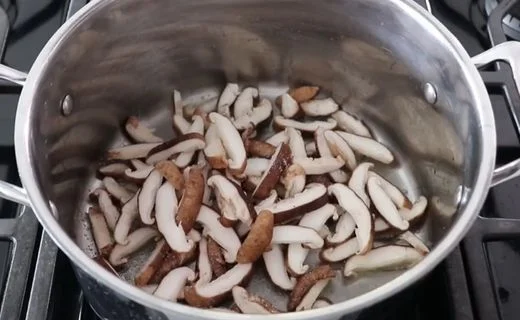
Stir-fry for a few minutes until they soften and the edges begin to brown.
Step 3: Build the Aromatics
Push the mushrooms to the side and add a little more oil to the center of the pot. Add the minced garlic, minced ginger, and white parts of the green onions.
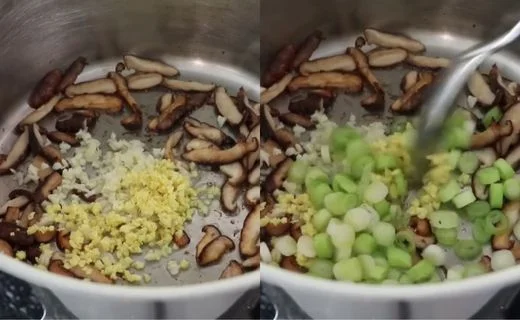
Cook for about 1 minute, stirring constantly. Be careful not to burn the garlic.
Step 4: Add the Broth and Seasonings
Pour in the chicken or vegetable broth and stir well. Bring to a boil. Once boiling, stir in soy sauce, a generous splash of rice wine vinegar, toasted sesame oil, and hot sauce. Bring back to a boil.
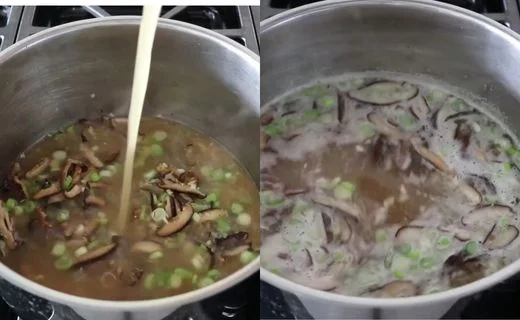
Step 5: Add the Vegetables and Potstickers
Add the bok choy (both stems and leaves) along with the green parts of the scallions. Stir gently. Add the frozen potstickers carefully into the pot.
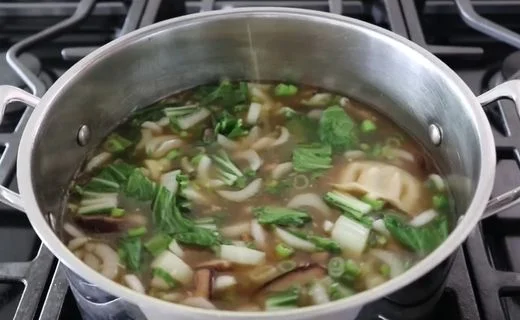
Simmer for 3 to 4 minutes or until the potstickers are fully cooked through.
Step 6: Finish with Miso and Chili Crisp
About 30 seconds before turning off the heat, stir in the miso paste until fully dissolved. Do not boil the soup after adding miso, as high heat destroys its probiotic benefits and delicate flavor. Turn off the heat and stir in one heaping spoonful of chili crisp.
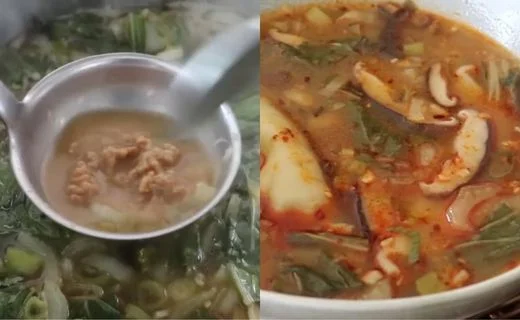
Step 7: Taste, Garnish, and Serve
Taste the soup and adjust seasoning with more salt or soy sauce as needed. Ladle into bowls and garnish with extra chili crisp and freshly chopped green onions. Serve immediately.
Customization and Serving Ideas for Potsticker Soup
One of the best things about this homemade potsticker soup is how endlessly adaptable it is. Here are seven delicious ways to make it your own:
1. Swap the Potsticker Filling
The type of frozen potsticker you use completely changes the personality of the soup. Chicken potstickers give a lighter, leaner flavor, while pork potstickers add richness and depth. Vegetable or tofu-filled dumplings make this a fully plant-based meal – perfect if you’re using vegetable broth as the base.
2. Make It a Traditional Potsticker Soup
For a more traditional potsticker soup recipe rooted in Asian comfort food, skip the chili crisp and Sriracha. Instead, keep the broth clean and simple – just soy sauce, sesame oil, ginger, and garlic. This lets the natural flavor of the dumplings shine.
3. Amp Up the Spice Level
If you love heat, this is your playground. Add extra Sriracha, a spoonful of gochujang, sliced fresh chilies, or more chili crisp to crank up the spice. This turns it into a full-on spicy potsticker soup that rivals your favorite takeout.
4. Add Noodles for Extra Body
Stir in cooked ramen noodles, rice noodles, or udon noodles right before serving to make the soup even heartier and more filling. It transforms the bowl into a complete one-pot noodle soup.
5. Boost the Protein
Add soft-boiled ramen eggs, shredded rotisserie chicken, thinly sliced beef, or pan-seared tofu to bulk up the protein content without much extra effort.
6. Load Up the Vegetables
Baby spinach, shredded napa cabbage, sliced carrots, corn kernels, or edamame are all fantastic additions. Stir them in along with the bok choy for extra texture, color, and nutrition.
7. Serving Suggestions
Serve this soup as a starter before fried rice, steamed jasmine rice, or a light Asian-inspired salad. It also pairs beautifully with crispy spring rolls or steamed bao buns for a full, satisfying spread.
Expert Tips for the Best Potsticker Soup
Follow these tried-and-true tips to make sure your easy potsticker soup recipe turns out perfect every single time:
1. Don’t Skip the High-Heat Sauté on the Mushrooms
Cooking the shiitake mushrooms over high heat until the edges brown is a critical step. This caramelization develops a deeper, nuttier flavor in the mushrooms that adds serious umami depth to the overall broth. If you crowd the pan or cook on low heat, they’ll steam instead of sear.
2. Add Miso Off the Heat
Miso paste should never be boiled. Always stir it in during the final 30 seconds with the heat off or very low. Boiling destroys both its delicate flavor and its beneficial probiotics. This is one of the most important steps in making homemade potsticker soup taste restaurant-quality.
3. Use Good Quality Broth
Since the broth is the backbone of this soup, the quality of your chicken or vegetable broth matters. A rich, low-sodium broth gives you more control over the salt level while providing a fuller flavor base. You can always season up – but you can’t season down.
4. Handle the Potstickers Gently
Frozen potstickers are delicate once they hit the hot broth. Stir carefully and avoid excessive agitation to prevent them from breaking open in the pot. Use a wide, gentle spoon or spatula to move them around.
5. Taste and Adjust Before Serving
This soup is all about balance – savory, tangy, spicy, and umami. Before ladling into bowls, always taste the broth and adjust. A little more soy sauce deepens the salt. A splash more vinegar brightens it. More hot sauce turns up the heat. Trust your palate.
6. Prep Everything Before You Start Cooking
This recipe moves fast once the heat is on. Having all your vegetables sliced, your broth measured, and your seasonings ready before you start prevents anything from overcooking or burning – especially the garlic and ginger.
7. Serve Immediately for Best Texture
This soup is best eaten fresh and hot. The longer the potstickers sit in the broth, the more they absorb liquid and begin to fall apart. If you’re making this for a group, cook the potstickers in batches or keep them separate and add them per bowl right before serving.
Storage and Reheating Guidance
Store leftover broth and potstickers separately in airtight containers in the refrigerator for up to 2 days. Reheat broth gently on the stovetop over medium-low heat. Add potstickers fresh when possible, as previously cooked ones may soften and break apart upon reheating.
Common Queries and FAQs
Common Potsticker Soup Recipe questions answered to help you understand it better.
Can I use fresh dumplings instead of frozen potstickers?
Yes, absolutely. Fresh dumplings work beautifully in this recipe. Just reduce the simmering time to 1 to 2 minutes, as fresh dumplings cook much faster than frozen ones.
What broth is best for potsticker soup?
Chicken broth is the most popular choice because its mild, savory base complements the dumpling filling perfectly. Vegetable broth is a great plant-based alternative and works especially well with vegetable or tofu-filled potstickers.
Can I make this soup vegetarian or vegan?
Yes. Use vegetable broth, choose vegetable or tofu-filled potstickers, and check that your miso paste and chili crisp are vegan-friendly. This makes a fully plant-based pot sticker soup without losing any of the bold flavor.
How do I keep the potstickers from falling apart in the soup?
Add them gently to gently simmering (not violently boiling) broth and handle them with care. Avoid stirring too aggressively. Serve the soup immediately after cooking for best results.
Can I make potsticker soup ahead of time?
The broth can be made 1 to 2 days ahead and stored in the refrigerator. However, for best texture, always cook the potstickers fresh in the hot broth right before serving.
Is potsticker soup gluten-free?
Standard potstickers contain wheat-based wrappers, so the soup is not gluten-free by default. To make it gluten-free, look for gluten-free dumpling wrappers or rice-based dumplings, and use tamari instead of regular soy sauce.
What can I substitute for miso paste?
If you don’t have miso paste, you can add a small splash of fish sauce or a teaspoon of white soy sauce for a similar depth of umami. The miso is optional but highly recommended – it truly rounds out the broth beautifully.
Can I freeze potsticker soup?
Freezing is not recommended, as the potsticker wrappers become mushy and fall apart after thawing. You can freeze the broth on its own and add fresh or frozen potstickers when you’re ready to serve.
Potsticker Soup Recipe
There is something truly special about a steaming bowl of potsticker soup that brings together bold flavors, comforting warmth, and wholesome ingredients in every single spoonful. This potsticker soup recipe is built on a rich, savory broth deeply layered with garlic, ginger, and miso – and it all comes together in under 30 minutes using simple, everyday ingredients.
Ingredients
- Frozen potstickers – 1 package (about 12–20 pieces, vegetable or chicken)
- Shiitake mushrooms – 1 cup sliced (fresh or dried, stems removed)
- Bok choy – 1 head (white stems and dark green leaves separated)
- Green onions / scallions – 1 bunch (white parts for cooking, green tops for garnish)
- Garlic – 3 cloves, finely minced
- Fresh ginger – 2 tablespoons, very finely minced
- Chicken broth or vegetable broth – 4 to 6 cups
- Vegetable oil or neutral oil – 1 to 2 tablespoons (for sautéing)
- Soy sauce – to taste
- Rice wine vinegar – a generous splash
- Toasted sesame oil – 2 teaspoons
- Hot sauce (such as Sriracha) – 2 teaspoons or to taste
- Miso paste – 1 heaping spoonful (optional, added at the very end)
- Chili crisp – 1 heaping spoonful (stirred in) + extra for serving
- Salt – to taste
- Extra chili crisp
- Freshly chopped green onion tops
Instructions
Step 1: Prep Your Vegetables
Remove the tough stems from the shiitake mushrooms and slice the caps about ⅛-inch thick. Cut the bok choy in half lengthwise, separating the white stems from the dark green leaves. Slice the stems about ¼-inch thick and the leaves into 1 to 2-inch wide pieces. Slice the green onions, keeping the white parts separate from the green tops.
Step 2: Sauté the Mushrooms
Heat 1 to 2 tablespoons of oil in a large soup pot over high heat. Add the sliced shiitake mushrooms with a pinch of salt. Stir-fry for a few minutes until they soften and the edges begin to brown.
Step 3: Build the Aromatics
Push the mushrooms to the side and add a little more oil to the center of the pot. Add the minced garlic, minced ginger, and white parts of the green onions. Cook for about 1 minute, stirring constantly. Be careful not to burn the garlic.
Step 4: Add the Broth and Seasonings
Pour in the chicken or vegetable broth and stir well. Bring to a boil. Once boiling, stir in soy sauce, a generous splash of rice wine vinegar, toasted sesame oil, and hot sauce. Bring back to a boil.
Step 5: Add the Vegetables and Potstickers
Add the bok choy (both stems and leaves) along with the green parts of the scallions. Stir gently. Add the frozen potstickers carefully into the pot. Simmer for 3 to 4 minutes or until the potstickers are fully cooked through.
Step 6: Finish with Miso and Chili Crisp
About 30 seconds before turning off the heat, stir in the miso paste until fully dissolved. Do not boil the soup after adding miso, as high heat destroys its probiotic benefits and delicate flavor. Turn off the heat and stir in one heaping spoonful of chili crisp.
Step 7: Taste, Garnish, and Serve
Taste the soup and adjust seasoning with more salt or soy sauce as needed. Ladle into bowls and garnish with extra chili crisp and freshly chopped green onions. Serve immediately.
Notes
Store leftover broth and potstickers separately in airtight containers in the refrigerator for up to 2 days. Reheat broth gently on the stovetop over medium-low heat. Add potstickers fresh when possible, as previously cooked ones may soften and break apart upon reheating.
Nutrition Information:
Yield:
6Serving Size:
1Amount Per Serving: Calories: 150
This potsticker soup recipe is proof that a deeply satisfying, flavor-packed meal doesn’t have to be complicated. With a bold umami broth, tender dumplings, and fresh vegetables, this easy potsticker soup checks every box – quick, comforting, customizable, and absolutely delicious. Whether you keep it mild and traditional or load it up with chili crisp and spice, every bowl delivers pure, cozy comfort.
Try it once and you’ll understand why this homemade potsticker soup deserves a permanent spot in your weeknight dinner rotation. Don’t forget to garnish generously and serve it piping hot!
If you enjoyed this recipe, be sure to save it and share it with friends. Don’t forget to follow us on Pinterest and YouTube for more cozy and comfort recipes.