
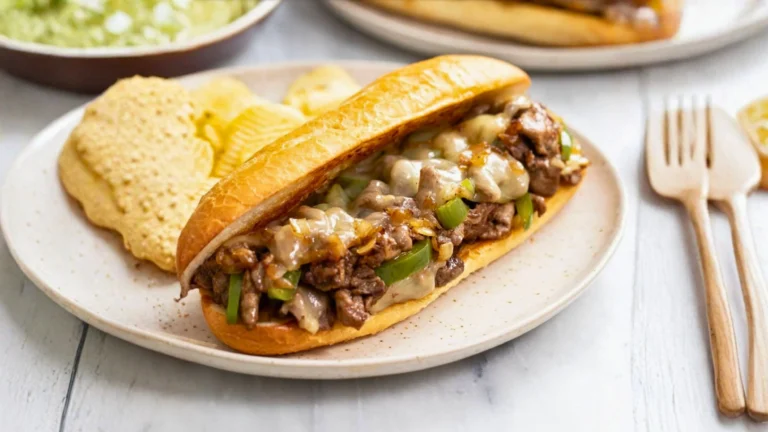

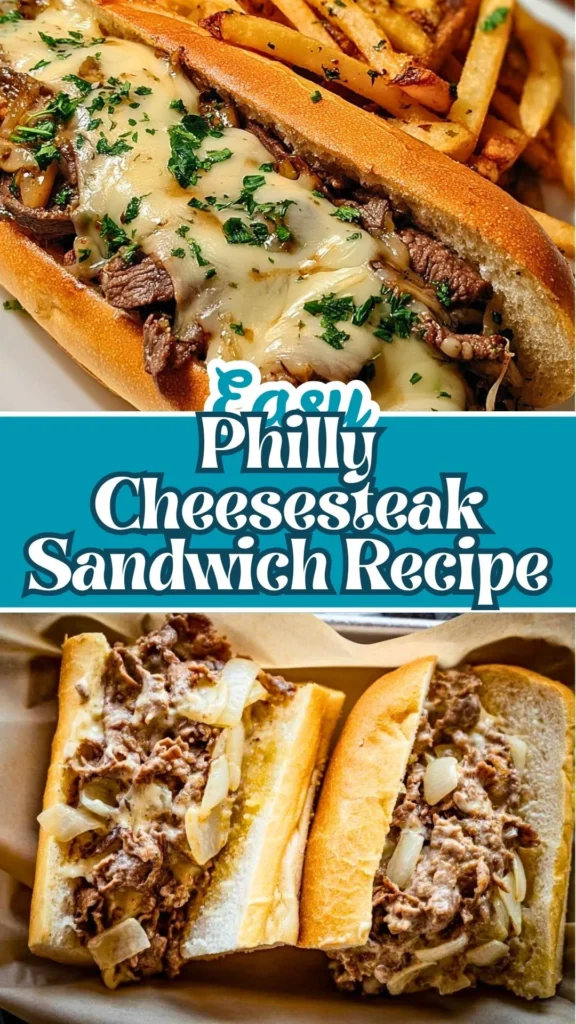
There’s something magical about biting into an authentic Philly cheesesteak sandwich – that perfect marriage of tender, thinly sliced ribeye, sweet caramelized onions, and gooey melted provolone cheese nestled in a garlic-buttered hoagie roll.
This iconic philly sandwich recipe originated in Philadelphia in the 1930s and has since become one of America’s most beloved comfort foods. Whether you’re craving a taste of Philly or want to master how to make philly cheesesteak at home, this recipe delivers restaurant-quality results with simple techniques.
Elevate each bite with bold flavors like cava harissa sauce, drizzle with smoky bbq sauce, or pair alongside crispy voodoo fries for a complete, crave-worthy meal experience. The secret? Paper-thin ribeye slices, properly caramelized onions, and that signature garlic butter toast that elevates everything.
What Does It Taste Like?
This philly cheesesteak recipe is a symphony of savory flavors and contrasting textures. The ribeye delivers rich, beefy umami notes with a tender, melt-in-your-mouth quality, while the caramelized sweet onions add depth and natural sweetness.
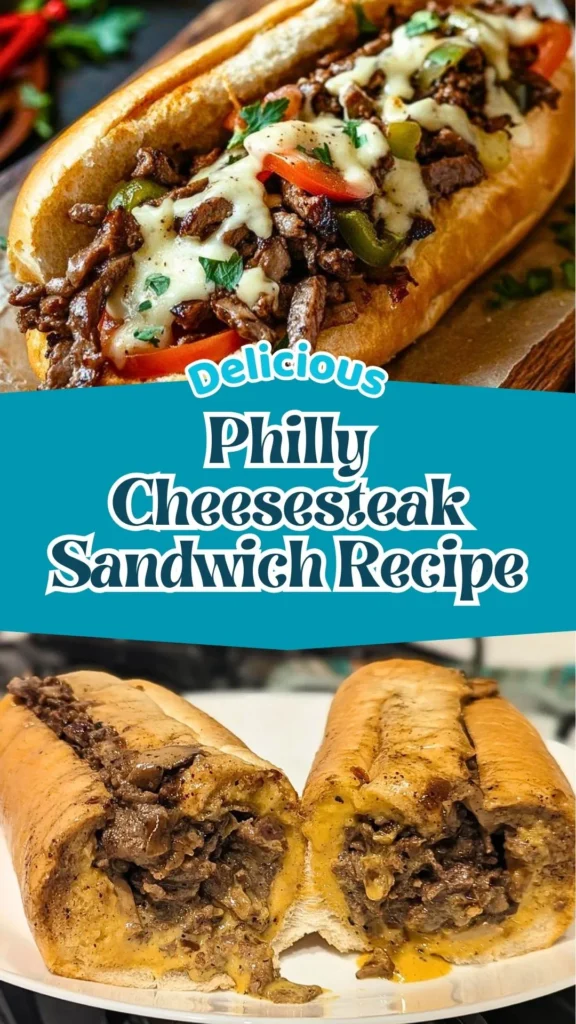
Melted provolone cheese brings creamy, mild tanginess that binds everything together. The garlic butter-toasted hoagie roll provides a crispy exterior with a soft, pillowy interior, and the mayo adds subtle richness.
Each bite offers a perfect balance – savory beef, sweet onions, melty cheese, and that irresistible garlic-butter crunch. It’s pure comfort food indulgence with layers of flavor that keep you coming back for more.
Philly Cheesesteak Sandwich Ingredients You’ll Need
Main Ingredients:
- 1 pound ribeye steak (trimmed of excess fat)
- 4 hoagie rolls (fresh and soft)
- 1 large sweet onion (diced)
- 8 slices provolone cheese (2 per sandwich)
- 2 tablespoons butter (softened)
- 1 garlic clove (pressed)
- 2 tablespoons oil (divided: 1 for onions, 1 for steak)
- ½ teaspoon salt
- ½ teaspoon black pepper
- Mayonnaise (for spreading)
- Optional: Dill pickles (for serving)
Essential Kitchen Utensils:
- Large skillet, griddle, or flat-top cooktop
- Sharp knife for slicing steak
- Cutting board
- Small mixing bowl
- Spatula (preferably wide metal spatula)
- Garlic press
- Tongs or fork for flipping
Preparation and Cooking Time
- Prep Time: 20 minutes (includes 40 minutes freezing time for steak)
- Cook Time: 15 minutes
- Total Time: 35 minutes (plus freezing)
- Servings: 4 sandwiches
- Difficulty Level: Easy to Moderate
Step-by-Step Philly Cheesesteak Sandwich Recipe Instructions
Step 1: Prepare the Hoagie Rolls
Slice the 4 hoagie rolls about three-quarters of the way through lengthwise, keeping one edge connected as a hinge. In a small bowl, combine 2 tablespoons softened butter with 1 pressed garlic clove, mixing until well incorporated.
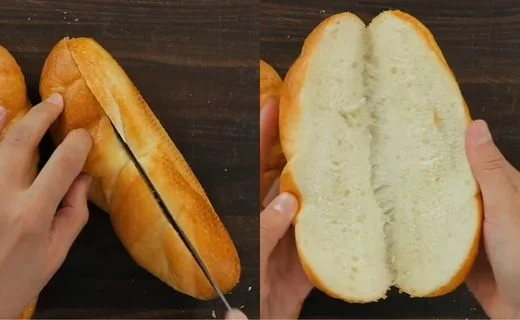
Spread this aromatic garlic butter generously on the cut interior sides of each roll.
Step 2: Prep Your Ingredients
Dice 1 large sweet onion into small, uniform pieces for even caramelization. Trim any excess fat from the 1-pound ribeye steak. For the easiest slicing, place the steak in the freezer for approximately 40 minutes until firm but not frozen solid.
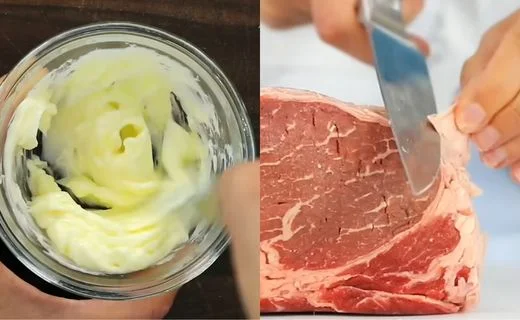
This firms up the meat for paper-thin slicing. Once chilled, slice the ribeye as thinly as possible – ideally 1/8 inch or thinner. Pro tip: Ask your butcher to slice it paper-thin on their deli slicer for perfectly uniform pieces.
Step 3: Toast the Hoagie Rolls
Heat a skillet or griddle over medium heat. Place the garlic-buttered hoagie rolls cut-side down on the cooking surface. Toast for 2-3 minutes until golden brown and crispy with visible grill marks.
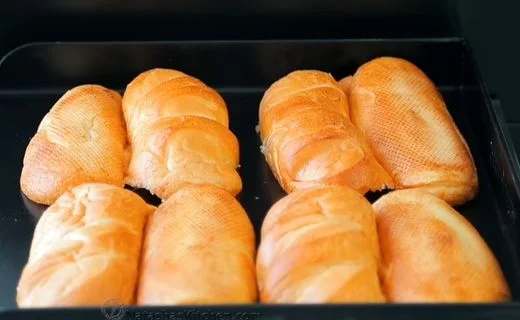
Remove from heat and set aside on a plate. This creates that signature crunchy texture that contrasts beautifully with the tender filling.
Step 4: Caramelize the Onions
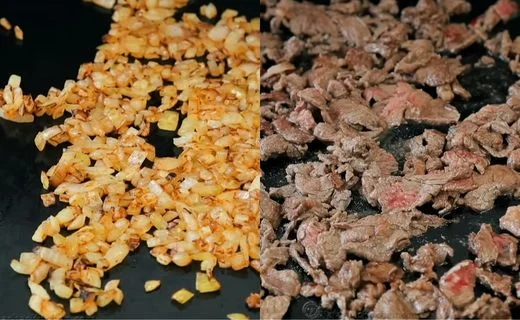
Heat 1 tablespoon oil in your skillet or on the griddle over medium heat. Add the diced sweet onions and spread them in an even layer. Sauté for 6-8 minutes, stirring occasionally, until the onions become soft, translucent, and beautifully caramelized with golden-brown edges. Transfer the caramelized onions to a separate dish and set aside.
Step 5: Cook the Ribeye Steak
Increase the heat to high and add another tablespoon of oil to the cooking surface. Once the oil shimmers and is very hot, add the thinly sliced ribeye steak, spreading it in a single, even layer across the surface. Let it brown undisturbed for 2 minutes to develop a flavorful sear. Flip the steak pieces and season immediately with ½ teaspoon salt and ½ teaspoon black pepper. Continue cooking for another 2-3 minutes, stirring occasionally, until the steak is just cooked through with no pink remaining.
Step 6: Combine and Add Cheese
Return the caramelized onions to the skillet with the cooked steak. Stir everything together, then use your spatula to roughly chop and break up any large pieces of meat. Divide the steak-onion mixture into 4 equal portions on the cooking surface, creating distinct mounds.
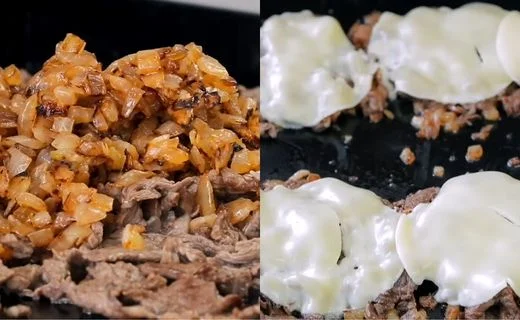
Top each portion with 2 slices of provolone cheese, draping them over the meat. Turn off the heat and allow the residual heat to melt the cheese completely, about 1-2 minutes.
Step 7: Assemble the Sandwiches
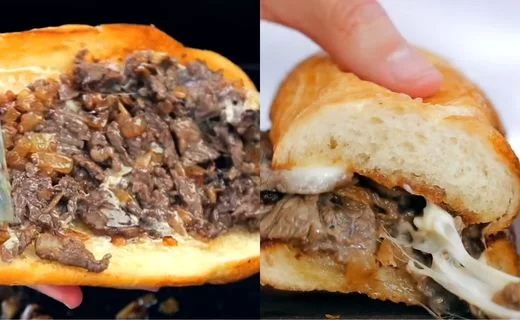
Spread a thin layer of mayonnaise on the toasted (cut) side of each hoagie roll. Working with one sandwich at a time, place a toasted bun directly over one cheesy beef portion. Use a wide spatula to scrape underneath the mixture, then quickly flip it up into the waiting bun in one smooth motion. Repeat this process with the remaining three sandwiches.
Step 8: Serve Immediately
Serve your authentic philly cheese steak sandwiches right away while they’re hot and the cheese is still gooey. Optionally, serve with crunchy dill pickles on the side for a tangy, refreshing contrast. Enjoy every delicious bite!
Customization and Pairing Ideas for Serving
1. Cheese Variations
While this recipe uses provolone, authentic philly cheesesteak recipes traditionally offer cheese options. Try American cheese for a creamier, milder flavor, or Cheez Whiz for the classic Pat’s or Geno’s experience. Sharp white cheddar adds a tangy bite, while mozzarella provides extra stretch and mild flavor.
2. Pepper Lover’s Version
Add sautéed bell peppers alongside the onions for a “Philly cheesesteak with peppers” variation. Use green bell peppers for traditional flavor, or mix red, yellow, and orange peppers for sweetness and color. Some recipes even include hot cherry peppers or banana peppers for a spicy kick.
3. Mushroom Enhancement
Sauté sliced baby bella or white mushrooms with the onions to add earthy, umami depth. This creates a heartier, more robust philly sandwich recipe that mushroom lovers will adore. The mushrooms also add extra moisture and meaty texture.
4. Spicy Kick Options
Elevate your cheesesteak with heat by adding sliced jalapeños, hot sauce, or spicy mayo. You can also incorporate red pepper flakes while cooking the steak or use pepper jack cheese instead of provolone for built-in spice.
5. Side Dish Pairings
Serve your authentic philly cheese steak sandwich with classic accompaniments like crispy French fries, sweet potato fries, onion rings, potato chips, coleslaw, or a simple garden salad. For a complete Philly experience, pair with Tastykakes or Herr’s potato chips.
6. Alternative Proteins
While ribeye is traditional, you can adapt this philly cheesesteak recipe using thinly sliced sirloin, top round, or even chicken breast for a “chicken Philly.” For plant-based versions, try thinly sliced portobello mushrooms or seitan.
7. Gourmet Upgrades
Transform this into an upscale version by adding truffle oil to the garlic butter, using aged gruyere cheese, incorporating caramelized shallots instead of regular onions, or adding a horseradish cream sauce. These tweaks maintain the spirit while adding sophisticated flavors.
Essential Tips for the Perfect Philly Cheesesteak
1. Freeze Your Steak for Easy Slicing
The single most important tip for how to make philly cheesesteak successfully is achieving paper-thin meat slices. Place your ribeye in the freezer for 30-40 minutes until firm but not rock-hard. This makes slicing against the grain incredibly easy and ensures tender, quick-cooking pieces. Alternatively, ask your butcher to slice it on their commercial slicer for professional results.
2. Choose the Right Cut of Beef
Ribeye is the gold standard for authentic philly cheese steak sandwich recipes because of its marbling, tenderness, and rich flavor. The fat content keeps the meat juicy during high-heat cooking. If ribeye isn’t available, top round or sirloin work well, though they’re slightly less tender. Avoid tough cuts like chuck or brisket.
3. Use High Heat for Proper Searing
When cooking the steak, your griddle or skillet must be extremely hot. High heat creates the signature caramelized exterior and prevents the meat from steaming or becoming rubbery. Let the steak sit undisturbed initially to develop that beautiful brown crust before stirring.
4. Don’t Overcook the Ribeye
Thin-sliced ribeye cooks in just 3-4 minutes total. Overcooking makes the meat tough and dry. Cook just until no pink remains, then immediately remove from heat. The residual heat will continue cooking slightly as you melt the cheese.
5. Caramelize Onions Properly
Sweet caramelized onions are crucial to philly cheesesteak recipes. Cook them low and slow (medium heat) until golden and soft, not rushed on high heat which causes burning. The natural sugars need time to develop that sweet, complex flavor. Patience here makes a significant difference.
6. Toast Rolls for Structural Integrity
Garlic butter-toasted hoagie rolls aren’t just about flavor – they create a barrier that prevents the bread from becoming soggy from meat juices and melted cheese. The crispy interior holds up to the filling while maintaining that crucial textural contrast. Never skip this step.
7. Assemble Quickly and Serve Immediately:
Philly sandwich recipes are best enjoyed piping hot right off the griddle. The cheese should be melty, the steak steaming, and the roll still warm and crispy. Assemble each sandwich quickly using the flip technique, and serve immediately for the best flavor and texture experience.
Storage and Reheating Guidance
Store leftover components separately in airtight containers in the refrigerator for up to 3 days. Keep the meat-onion mixture separate from the rolls to prevent sogginess. Reheat the filling in a skillet over medium heat until warmed through, then reassemble in fresh or re-toasted rolls for best results.
Common Queries and FAQs
Everything you need to know about Philly Cheesesteak Sandwich Recipe: common questions answered.
What’s the best cheese for an authentic Philly cheesesteak?
Traditional philly cheesesteak recipes use three main options: provolone (mild, melty), American cheese (creamy, classic), or Cheez Whiz (the original choice at Pat’s and Geno’s). Provolone offers the best balance of authentic flavor and melt-ability. The “right” cheese depends on personal preference – all three are considered authentic to Philadelphia cheesesteak culture.
Can I use a different cut of beef instead of ribeye?
Yes, while ribeye is ideal for its marbling and tenderness, you can substitute with top round, sirloin, or flank steak in your philly cheesesteak recipe. These leaner cuts work well when sliced paper-thin but may be slightly less juicy. Avoid tough cuts that require slow cooking. Whatever cut you choose, freezing it briefly makes slicing easier.
Do authentic Philly cheesesteaks have peppers?
This is debated! Classic authentic philly cheese steak sandwich recipes from Pat’s and Geno’s traditionally don’t include peppers, just cheese, onions, and steak. However, many Philadelphia establishments offer peppers as an optional addition. Bell peppers add sweetness and crunch, making “cheesesteak with peppers” a popular variation, though purists consider it non-traditional.
How do I slice ribeye steak paper-thin at home?
The secret to how to make philly cheesesteak with perfectly thin meat is freezing the ribeye for 30-45 minutes until firm. Use a very sharp knife and slice against the grain as thinly as possible. Alternatively, ask your butcher to slice it on their deli slicer to about 1/8 inch thickness. Thin slices cook quickly and create that signature tender texture.
What type of roll should I use for Philly cheesesteaks?
Authentic philly sandwich recipes call for Amoroso hoagie rolls from Philadelphia, which have a soft interior and slightly crusty exterior. Outside Philly, use fresh Italian hoagie rolls, sub rolls, or hero rolls that are 8-10 inches long. The roll should be sturdy enough to hold the filling without falling apart but soft enough to bite through easily.
Should I use raw or cooked onions?
Most philly cheesesteak recipes use caramelized (cooked) onions, which become sweet and tender through slow sautéing. This is the traditional preparation that adds depth and sweetness. Some people prefer raw onions for crunch and sharpness, but cooked onions are far more common in authentic versions. Caramelizing brings out the natural sugars and mellows the onion’s bite.
Can I make Philly cheesesteak sandwiches ahead of time?
These sandwiches are best served immediately after assembly while everything is hot and the cheese is melty. However, you can prep components ahead: slice the steak and store it refrigerated, caramelize onions in advance, and prep the garlic butter. When ready to serve, quickly cook the meat, assemble, and enjoy. Fully assembled sandwiches don’t reheat well and become soggy.
What’s the difference between a Philly cheesesteak and a regular steak sandwich?
Authentic philly cheese steak sandwich recipes specifically use thinly sliced ribeye (not thick steak pieces), are served on a hoagie roll (not regular bread), include melted cheese (provolone, American, or Whiz), and traditionally feature caramelized onions. The meat is chopped on the griddle while cooking, creating smaller, tender pieces. Regular steak sandwiches might use thicker cuts, different breads, and various toppings.
How many calories are in a Philly cheesesteak sandwich?
A typical homemade philly cheesesteak recipe contains approximately 600-800 calories per sandwich, depending on the amount of meat, cheese, and butter used. Restaurant versions can range from 800-1200 calories due to larger portions and extra cheese. Using leaner meat cuts, reduced cheese, and less butter can lower the calorie count while maintaining great flavor.
Can I make a Philly cheesesteak without a griddle?
Absolutely! While flat-top griddles are traditional, you can successfully make philly sandwich recipes using a large cast-iron skillet, regular frying pan, or even a sheet pan under the broiler. The key is high heat and enough cooking surface to spread the meat in a single layer. A large skillet works perfectly for home cooking and delivers excellent results.
What’s the best way to melt cheese on a Philly cheesesteak?
The traditional method in philly cheesesteak recipes is placing cheese slices directly on the hot meat portions on the griddle, then turning off the heat to let residual warmth melt the cheese. You can also tent aluminum foil over the portions to trap heat. Some cooks add a tablespoon of water and cover to create steam for faster melting. Avoid microwaving, which can make cheese rubbery.
Are Philly cheesesteaks gluten-free?
Traditional philly cheesesteak recipes use wheat-based hoagie rolls and aren’t gluten-free. However, you can easily adapt by using gluten-free hoagie rolls or serve the meat-cheese-onion mixture over rice, in lettuce wraps, or in a bowl. The filling itself (ribeye, cheese, onions) is naturally gluten-free, making it simple to accommodate dietary restrictions with alternative serving methods.
Philly Cheesesteak Sandwich Recipe
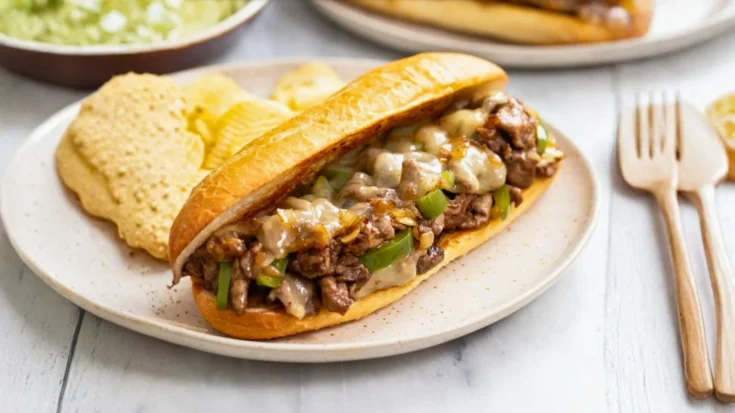
There’s something magical about biting into an authentic Philly cheesesteak sandwich – that perfect marriage of tender, thinly sliced ribeye, sweet caramelized onions, and gooey melted provolone cheese nestled in a garlic-buttered hoagie roll. This iconic philly sandwich recipe originated in Philadelphia in the 1930s and has since become one of America’s most beloved comfort foods.
Ingredients
- 1 pound ribeye steak
- 4 hoagie rolls
- 1 large sweet onion
- 8 slices provolone cheese
- 2 tablespoons butter
- 1 garlic clove
- 2 tablespoons oil
- ½ teaspoon salt
- ½ teaspoon black pepper
- Mayonnaise
- Optional: Dill pickles
Instructions
Step 1: Prepare the Hoagie Rolls
Slice the 4 hoagie rolls about three-quarters of the way through lengthwise, keeping one edge connected as a hinge. In a small bowl, combine 2 tablespoons softened butter with 1 pressed garlic clove, mixing until well incorporated. Spread this aromatic garlic butter generously on the cut interior sides of each roll.
Step 2: Prep Your Ingredients
Dice 1 large sweet onion into small, uniform pieces for even caramelization. Trim any excess fat from the 1-pound ribeye steak. For the easiest slicing, place the steak in the freezer for approximately 40 minutes until firm but not frozen solid. This firms up the meat for paper-thin slicing. Once chilled, slice the ribeye as thinly as possible – ideally 1/8 inch or thinner. Pro tip: Ask your butcher to slice it paper-thin on their deli slicer for perfectly uniform pieces.
Step 3: Toast the Hoagie Rolls
Heat a skillet or griddle over medium heat. Place the garlic-buttered hoagie rolls cut-side down on the cooking surface. Toast for 2-3 minutes until golden brown and crispy with visible grill marks. Remove from heat and set aside on a plate. This creates that signature crunchy texture that contrasts beautifully with the tender filling
Step 4: Caramelize the Onions
Heat 1 tablespoon oil in your skillet or on the griddle over medium heat. Add the diced sweet onions and spread them in an even layer. Sauté for 6-8 minutes, stirring occasionally, until the onions become soft, translucent, and beautifully caramelized with golden-brown edges. Transfer the caramelized onions to a separate dish and set aside.
Step 5: Cook the Ribeye Steak
Increase the heat to high and add another tablespoon of oil to the cooking surface. Once the oil shimmers and is very hot, add the thinly sliced ribeye steak, spreading it in a single, even layer across the surface. Let it brown undisturbed for 2 minutes to develop a flavorful sear. Flip the steak pieces and season immediately with ½ teaspoon salt and ½ teaspoon black pepper. Continue cooking for another 2-3 minutes, stirring occasionally, until the steak is just cooked through with no pink remaining.
Step 6: Combine and Add Cheese
Return the caramelized onions to the skillet with the cooked steak. Stir everything together, then use your spatula to roughly chop and break up any large pieces of meat. Divide the steak-onion mixture into 4 equal portions on the cooking surface, creating distinct mounds. Top each portion with 2 slices of provolone cheese, draping them over the meat. Turn off the heat and allow the residual heat to melt the cheese completely, about 1-2 minutes.
Step 7: Assemble the Sandwiches
Spread a thin layer of mayonnaise on the toasted (cut) side of each hoagie roll. Working with one sandwich at a time, place a toasted bun directly over one cheesy beef portion. Use a wide spatula to scrape underneath the mixture, then quickly flip it up into the waiting bun in one smooth motion. Repeat this process with the remaining three sandwiches.
Step 8: Serve Immediately
Serve your authentic philly cheese steak sandwiches right away while they’re hot and the cheese is still gooey. Optionally, serve with crunchy dill pickles on the side for a tangy, refreshing contrast. Enjoy every delicious bite!
Notes
Store leftover components separately in airtight containers in the refrigerator for up to 3 days. Keep the meat-onion mixture separate from the rolls to prevent sogginess. Reheat the filling in a skillet over medium heat until warmed through, then reassemble in fresh or re-toasted rolls for best results.
Nutrition Information:
Yield:
8Serving Size:
1Amount Per Serving: Calories: 280
This authentic philly cheese steak sandwich recipe brings the legendary taste of Philadelphia right to your kitchen with simple ingredients and straightforward techniques. The combination of paper-thin ribeye, sweet caramelized onions, melted provolone, and garlic-buttered hoagie rolls creates an unforgettable meal that rivals any restaurant version.
Now that you know how to make philly cheesesteak at home, you can enjoy this iconic sandwich whenever the craving strikes. Gather your ingredients, fire up that griddle, and treat yourself to the ultimate comfort food experience. Your taste buds will thank you!
If you enjoyed this recipe, be sure to save it and share it with friends. Don’t forget to follow us on Pinterest and YouTube for more cozy and comfort recipes.