
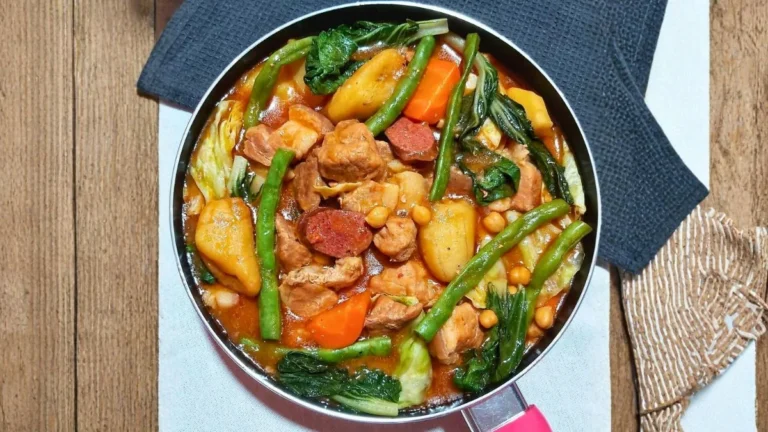

There’s something deeply comforting about a steaming bowl of chicken pochero on your table-this beloved Filipino stew brings together tender chicken, sweet saba bananas, hearty vegetables, and that signature tomato-based sauce that makes every spoonful feel like home.
Unlike the Spanish cocido from which it evolved, pocherong manok has become uniquely Filipino, blending savory and subtly sweet flavors in one pot.
Whether you grew up with this dish or you’re discovering it for the first time, learning how to make chicken pochero recipe is easier than you think, and the results are absolutely worth it.
What Does Chicken Pochero Taste Like?
Chicken pochero delivers a beautiful harmony of savory, sweet, and umami flavors. The tomato paste and fresh tomatoes create a rich, tangy base, while fish sauce (patis) adds that essential Filipino salty-savory depth.
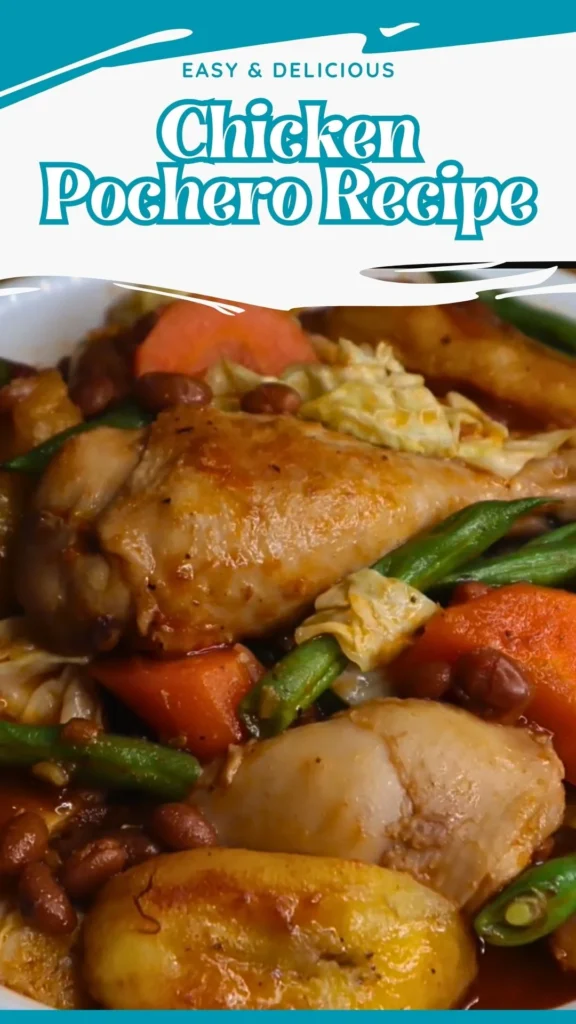
The saba bananas lend a natural sweetness that balances the savory chicken and vegetables perfectly. You’ll taste hints of garlic and black pepper, with the beans adding creaminess and a touch of comfort.
The overall flavor profile is warming, hearty, and slightly sweet-familiar yet distinct from other Filipino chicken stews.
Chicken Pochero Ingredients and Kitchen Utensils
Chicken Pochero Ingredients:
Protein & Base:
- 1 kg Chicken (cut into serving pieces)
- 4–6 cloves Garlic (chopped)
- 1 medium Onion (sliced)
- 4 medium Tomatoes (diced)
Vegetables:
- 2 medium Potatoes (peeled and cut into chunks)
- 1 medium Carrot (peeled and sliced)
- 2 cups Green Beans (trimmed, Baguio beans or sitaw)
- 1 medium Cabbage (quartered or sliced)
Special Ingredients:
- 4 pieces Saba Banana (plantain bananas, peeled and sliced diagonally)
Seasonings & Liquids:
- 3 Tbsp Tomato Paste
- 1 tsp Black Pepper (ground)
- 4 Tbsp Fish Sauce (patis)
- 1 cup Water
- 2–3 Tbsp Cooking Oil
Kitchen Utensils Needed:
- Large pot or deep pan with lid
- Cutting board
- Sharp knife
- Wooden spoon or ladle
- Measuring cups and spoons
- Vegetable peeler
Preparation and Cooking Time
Prep Time: 20 minutes
Cooking Time: 50-60 minutes
Total Time: 70-80 minutes
Servings: 6-8 people
Chicken Pochero Recipe Instructions
Step 1: Prepare Your Ingredients
Wash the chicken thoroughly and pat dry. Chop the garlic, slice the onion, and dice the tomatoes. Peel and cut the potatoes into chunks, peel and slice the carrot, trim the green beans, quarter or slice the cabbage, and peel and diagonally slice the saba bananas.
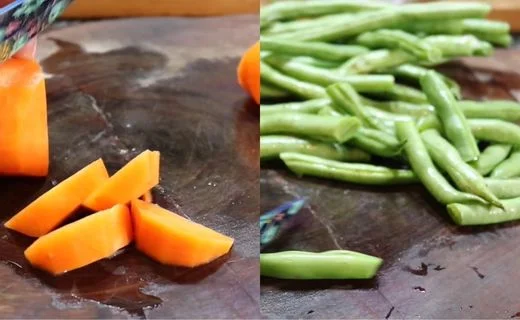
Set everything aside in separate bowls for easy cooking.
Step 2: Sauté the Aromatics
In a large pot or deep pan, heat 2–3 Tbsp cooking oil over medium heat. Add the chopped garlic and sliced onion. Sauté until fragrant and the onion becomes translucent, about 2–3 minutes. This builds the flavor foundation for your chicken pochero recipe.
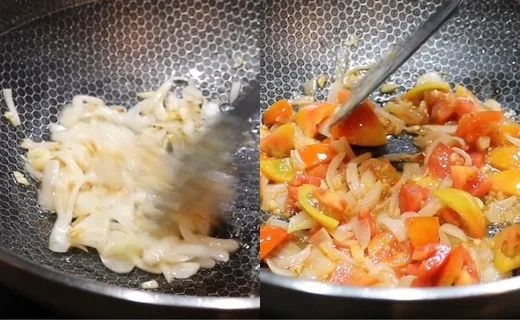
Step 3: Cook the Tomatoes
Add the diced tomatoes to the pot. Cook until they soften completely and release their juices, about 3–4 minutes. Stir occasionally to prevent sticking.
Step 4: Brown the Chicken
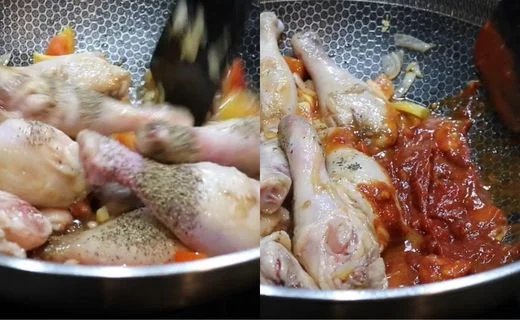
Add the chicken pieces to the pot. Stir and cook until the chicken changes color and is lightly seared on the outside, about 5 minutes. This step locks in flavor and adds depth to your pocherong manok.
Step 5: Add Tomato Paste and Seasonings
Stir in 3 Tbsp tomato paste until the chicken is well coated with the thick, red sauce. Add 4 Tbsp fish sauce and 1 tsp ground black pepper. Mix everything together thoroughly to ensure even seasoning distribution.
Step 6: Simmer the Chicken
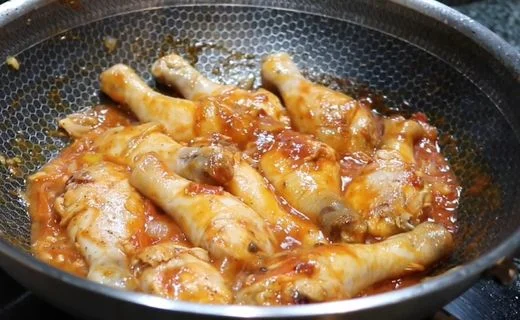
Pour in 1 cup water (you can add more later for a brothier consistency). Bring the mixture to a boil, then lower the heat to medium-low. Cover the pot and let it simmer until the chicken is tender, about 20–30 minutes. Stir occasionally to prevent sticking and ensure even cooking.
Step 7: Add Root Vegetables
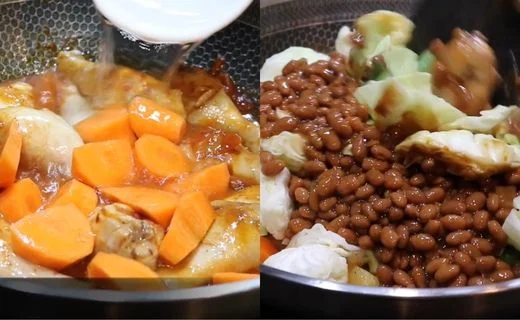
Add the potato chunks and sliced carrots to the pot. These heartier vegetables need more cooking time. Simmer for another 8–10 minutes until they begin to soften but still hold their shape.
Step 8: Add Remaining Vegetables and Beans
Add the green beans, sliced saba bananas, cabbage quarters, and the entire can of beans including all the sauce. Stir gently to combine without breaking apart the tender chicken and vegetables.
Step 9: Final Simmer
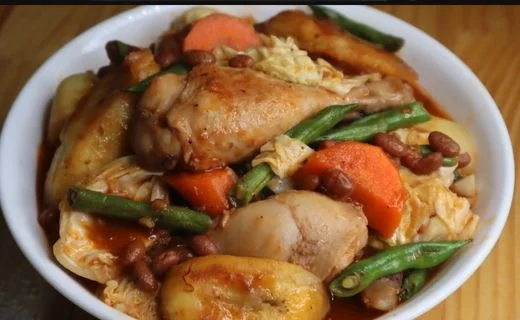
Continue simmering uncovered or partially covered for another 5–10 minutes until the vegetables are cooked but still firm, the bananas are tender, and the sauce has thickened slightly.
Step 10: Adjust Seasoning and Serve
Taste your chicken pochero and adjust the seasoning with more fish sauce, pepper, or a pinch of salt or sugar if needed. Turn off the heat and serve hot with plenty of steamed rice.
Customization and Pairing for Serving Ideas
1. Chorizo Upgrade
Add 2–3 pieces of Filipino chorizo de bilbao (sliced) during the sautéing stage for a richer, meatier flavor. This addition makes your chicken potchero recipe even more luxurious and adds wonderful smoky-garlicky notes that complement the tomato sauce beautifully.
2. Bok Choy Variation
Substitute or add baby bok choy in place of cabbage for a different texture and slightly peppery taste. Bok choy cooks faster, so add it in the last 3–4 minutes of cooking to keep it crisp-tender and bright green.
3. Sweet Potato Swap
Replace regular potatoes with kamote (sweet potato) for added natural sweetness and a beautiful orange color. Sweet potatoes pair exceptionally well with the saba bananas and create a more complex sweet-savory balance in your pochero.
7. Spicy Kick
Serve your chicken pochero recipe panlasang pinoy style with a side of siling labuyo (bird’s eye chili) in fish sauce or spicy vinegar. Guests can add heat according to their preference without overpowering the dish’s natural flavors.
8. Garbanzos Addition
Toss in a cup of cooked chickpeas (garbanzos) along with the beef and beans for extra protein and a different texture. This makes the dish even heartier and adds a pleasant nuttiness.
9. Serving Presentation
Arrange the vegetables, chicken, and bananas on a large platter with the sauce spooned over the top for family-style serving. This showcases all the beautiful colors and makes the meal feel more festive and communal.
10. Complete Filipino Meal Pairing
Serve alongside other Filipino favorites like crispy lechon kawali, ensaladang talong (eggplant salad), or atchara (pickled papaya) for a full spread. The acidity from pickled sides cuts through the richness of pochero perfectly.
Essential Tips for Perfect Chicken Pochero
1. Choose the Right Chicken Cuts
Use bone-in chicken pieces (thighs, drumsticks, or cut-up whole chicken) rather than boneless breast meat. The bones add incredible flavor to the broth, and dark meat stays tender during the longer cooking time required for this chicken pochero cooking method.
2. Layer Your Flavors
Don’t rush the sautéing stage. Properly caramelizing the garlic, onions, and tomatoes creates a flavor foundation that makes all the difference. Each ingredient should be given time to release its aromatics before adding the next component.
3. Pre-Fry for Better Texture
For restaurant-quality results, lightly fry the saba banana slices and potato chunks in a separate pan before adding them to the pot. This creates a golden exterior that holds up better during simmering and prevents them from becoming mushy. The slight caramelization also enhances their natural sweetness.
4. Control Your Liquid
Start with less water than you think you need-you can always add more. The vegetables and chicken release moisture as they cook, and you want a thick, coating sauce rather than a watery soup. If it becomes too thick, add water ¼ cup at a time.

5. Vegetable Timing Matters
Add vegetables according to their cooking times-root vegetables first, then bananas and leafy greens last. This ensures everything finishes cooking at the same time with the perfect texture. Overcooked cabbage turns mushy and loses its sweet crunch.
6. Fish Sauce Quality
Use good-quality patis (fish sauce) as it’s a key flavor component in this pocherong manok ingredients list. Cheap fish sauce can taste overly fishy or metallic. Brands like Rufina or Lorins are reliable choices that provide umami without overwhelming the dish.
7. Rest Before Serving
Let your pochero rest for 5–10 minutes after turning off the heat. This allows the flavors to meld together and the sauce to thicken slightly as it cools. The dish actually tastes even better after this resting period, and reheating intensifies the flavors further.
Storage and Reheating Guidance
Store leftover chicken pochero in an airtight container in the refrigerator for up to 3 days. Reheat gently on the stovetop over low-medium heat, adding a splash of water if the sauce has thickened too much, until warmed through completely.
Common Queries and FAQs
Common Chicken Pochero Recipe questions answered to help you understand it better.
Can I use chicken breast instead of dark meat for chicken pochero?
Yes, but chicken breast tends to dry out during the longer simmering time. If using breast meat, add it later in the cooking process (after simmering the aromatics for 10 minutes) and reduce the initial cooking time to about 15 minutes instead of 20–30 minutes.
What’s the difference between pochero and afritada?
While both are tomato-based Filipino stews, chicken pochero includes saba bananas and beef and beans, creating a sweeter flavor profile. Afritada typically uses bell peppers, has a more savory-tangy taste, and doesn’t include bananas. Pochero also has Spanish cocido origins while afritada comes from the Spanish “fritada.”
Can I make chicken pochero without pork and beans?
Absolutely! Traditional versions sometimes skip the canned pork and beans entirely. You can substitute with cooked chickpeas, white beans, or simply omit them. The dish will be lighter but still delicious. Some cooks add extra potatoes to compensate for the missing heartiness.
What can I use instead of saba bananas?
If saba (cardaba or plantain bananas) aren’t available, use green or semi-ripe regular plantains. Avoid fully ripe yellow bananas as they’ll become too mushy and overly sweet. In a pinch, firm, underripe regular bananas work but won’t have the same starchy texture.
Is chicken pochero spicy?
No, this chicken pochero recipe is not spicy by default-it has black pepper for mild warmth but focuses on savory-sweet flavors. Filipinos typically serve it with siling labuyo (bird’s eye chilies) on the side so each person can adjust the heat level to their preference.
Can I make this in a pressure cooker or Instant Pot?
Yes! Sauté the aromatics using the sauté function, add chicken and seasonings, then pressure cook on high for 10 minutes. Quick release, then add all vegetables and beans, and simmer on sauté mode for another 8–10 minutes until vegetables are tender. This cuts the cooking time in half.
Why is my pochero sauce too watery?
You may have added too much water initially, or the lid trapped too much steam. Simmer uncovered for the last 10–15 minutes to reduce the liquid. You can also mash one or two potato pieces against the side of the pot to naturally thicken the sauce, or add an extra tablespoon of tomato paste.
Can I freeze chicken pochero?
Yes, but the texture of potatoes and bananas may change slightly after freezing (they can become grainy or mushy). Freeze in portions in airtight containers for up to 2 months. Thaw overnight in the refrigerator and reheat gently. The chicken and sauce freeze beautifully.
What type of tomatoes work best?
Use fresh, ripe tomatoes for the best flavor-Roma or local Filipino tomatoes are ideal because they’re less watery and more concentrated. Avoid vine-ripened or heirloom varieties that are too juicy, as they’ll make your sauce too thin. The combination of fresh tomatoes and tomato paste creates the perfect consistency.
Do I need to marinate the chicken first?
No marination is needed for this chicken pochero cooking method. The fish sauce and long simmering time season the chicken thoroughly. However, if you prefer, you can marinate the chicken in fish sauce and pepper for 15–30 minutes before cooking for even deeper flavor penetration.
Can I add other vegetables to chicken pochero?
Definitely! Popular additions include sayote (chayote), bell peppers, corn on the cob (cut into rounds), or pechay (bok choy). Just remember to add them according to their cooking times-harder vegetables with root vegetables, quicker-cooking greens at the end.
What’s the best way to cut the chicken for pochero?
Cut a whole chicken into 8–10 serving pieces: separate the drumsticks, thighs, wings, and cut the breast into 2–3 pieces. Leaving the skin on adds richness to the broth, though some prefer to remove it for a lighter dish. Keep the bones in for maximum flavor.
Chicken Pochero Recipe
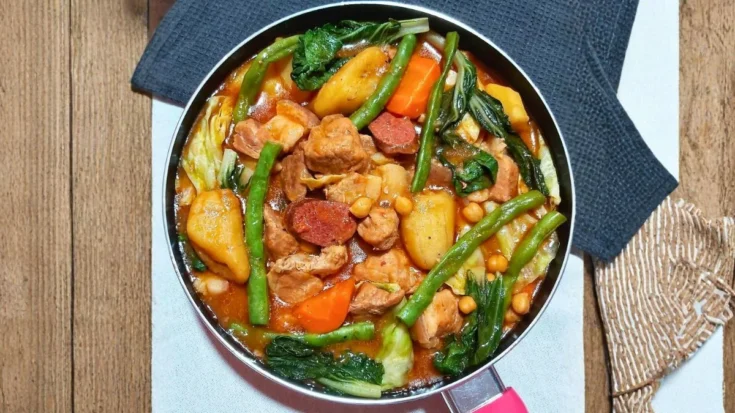
There’s something deeply comforting about a steaming bowl of chicken pochero on your table-this beloved Filipino stew brings together tender chicken, sweet saba bananas, hearty vegetables, and that signature tomato-based sauce that makes every spoonful feel like home. Unlike the Spanish cocido from which it evolved, pocherong manok has become uniquely Filipino, blending savory and subtly sweet flavors in one pot.
Ingredients
- 1 kg Chicken
- 4–6 cloves Garlic
- 1 medium Onion
- 4 medium Tomatoes
- 2 medium Potatoes
- 1 medium Carrot
- 2 cups Green Beans
- 1 medium Cabbage
- 4 pieces Saba Banana
- 3 Tbsp Tomato Paste
- 1 tsp Black Pepper
- 4 Tbsp Fish Sauce
- 1 cup Water
- 2–3 Tbsp Cooking Oil
Instructions
Step 1: Prepare Your Ingredients
Wash the chicken thoroughly and pat dry. Chop the garlic, slice the onion, and dice the tomatoes. Peel and cut the potatoes into chunks, peel and slice the carrot, trim the green beans, quarter or slice the cabbage, and peel and diagonally slice the saba bananas.
Step 2: Sauté the Aromatics
In a large pot or deep pan, heat 2–3 Tbsp cooking oil over medium heat. Add the chopped garlic and sliced onion. Sauté until fragrant and the onion becomes translucent, about 2–3 minutes. This builds the flavor foundation for your chicken pochero recipe.
Step 3: Cook the Tomatoes
Add the diced tomatoes to the pot. Cook until they soften completely and release their juices, about 3–4 minutes. Stir occasionally to prevent sticking.
Step 4: Brown the Chicken
Add the chicken pieces to the pot. Stir and cook until the chicken changes color and is lightly seared on the outside, about 5 minutes. This step locks in flavor and adds depth to your pocherong manok
Step 5: Add Tomato Paste and Seasonings
Stir in 3 Tbsp tomato paste until the chicken is well coated with the thick, red sauce. Add 4 Tbsp fish sauce and 1 tsp ground black pepper. Mix everything together thoroughly to ensure even seasoning distribution
Step 6: Simmer the Chicken
Pour in 1 cup water (you can add more later for a brothier consistency). Bring the mixture to a boil, then lower the heat to medium-low. Cover the pot and let it simmer until the chicken is tender, about 20–30 minutes. Stir occasionally to prevent sticking and ensure even cooking
Step 7: Add Root Vegetables
Add the potato chunks and sliced carrots to the pot. These heartier vegetables need more cooking time. Simmer for another 8–10 minutes until they begin to soften but still hold their shape
Step 8: Add Remaining Vegetables and Beans
Add the green beans, sliced saba bananas, cabbage quarters, and the entire can of beans including all the sauce. Stir gently to combine without breaking apart the tender chicken and vegetables
Step 9: Final Simmer
Continue simmering uncovered or partially covered for another 5–10 minutes until the vegetables are cooked but still firm, the bananas are tender, and the sauce has thickened slightly
Step 10: Adjust Seasoning and Serve
Taste your chicken pochero and adjust the seasoning with more fish sauce, pepper, or a pinch of salt or sugar if needed. Turn off the heat and serve hot with plenty of steamed rice.
Notes
Store leftover chicken pochero in an airtight container in the refrigerator for up to 3 days. Reheat gently on the stovetop over low-medium heat, adding a splash of water if the sauce has thickened too much, until warmed through completely.
Nutrition Information:
Yield:
6Serving Size:
1Amount Per Serving: Calories: 150
Learning how to make chicken pochero recipe opens the door to one of the most comforting and beloved dishes in Filipino cuisine. This one-pot wonder brings together tender chicken, sweet saba bananas, colorful vegetables, and that signature tomato sauce that defines home cooking.
Whether you’re cooking for your family or introducing friends to Filipino flavors, this pocherong manok recipe delivers every single time. Serve it with steaming white rice, gather your loved ones around the table, and enjoy the beautiful balance of savory and sweet that makes pochero truly special!
If you enjoyed this recipe, be sure to save it and share it with friends. Don’t forget to follow us on Pinterest and YouTube for more cozy and comfort recipes.