
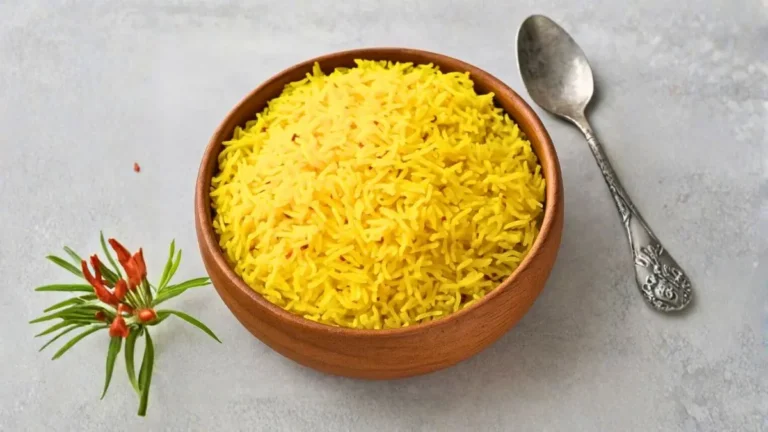

There’s something magical about saffron rice that transforms an ordinary meal into an extraordinary culinary experience. If you’ve ever enjoyed the aromatic, golden saffron basmati rice at Cava and wished you could recreate it at home, you’re in the right place.
This cava rice recipe combines traditional Persian saffron rice techniques with the accessibility of a copycat cava saffron rice recipe. With its crispy or mashed potato tahdig (the coveted crispy bottom layer), jewel-toned candied barberries, and that unmistakable saffron aroma, this dish brings restaurant-quality flavor to your kitchen.
Whether you’re familiar with Spanish saffron rice recipe traditions or exploring Persian saffron rice recipe methods for the first time, this comprehensive guide will help you master every golden grain.
What Does It Taste Like?
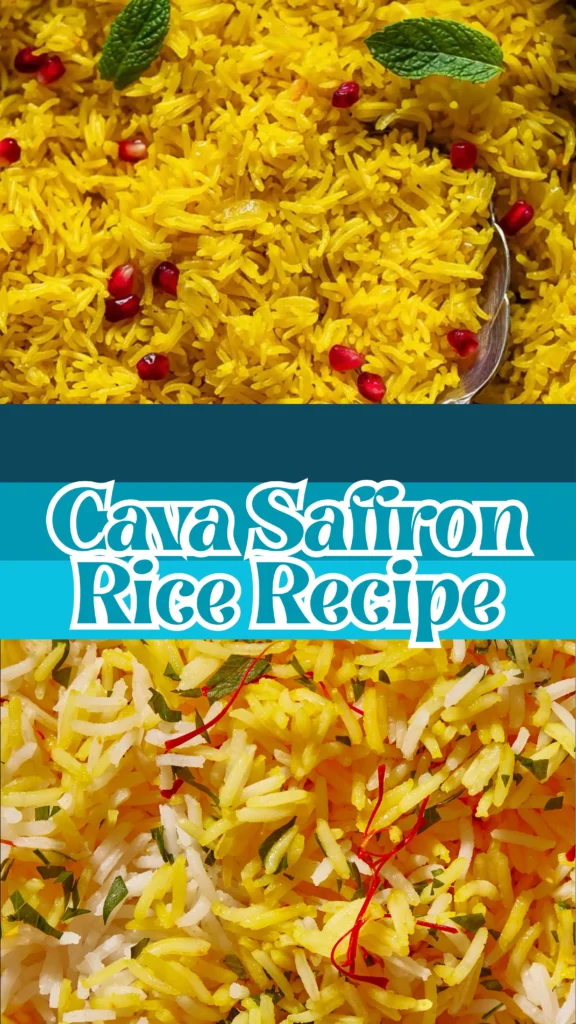
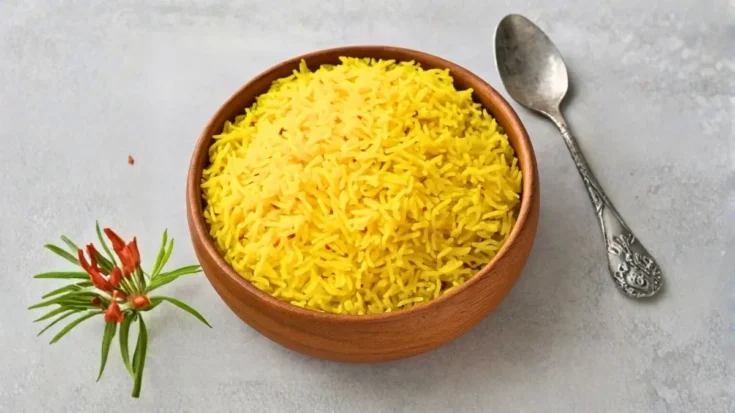
This saffron rice recipe delivers layers of complex flavors and textures. The basmati rice grains are fluffy, separate, and infused with the earthy, slightly floral notes of premium saffron.
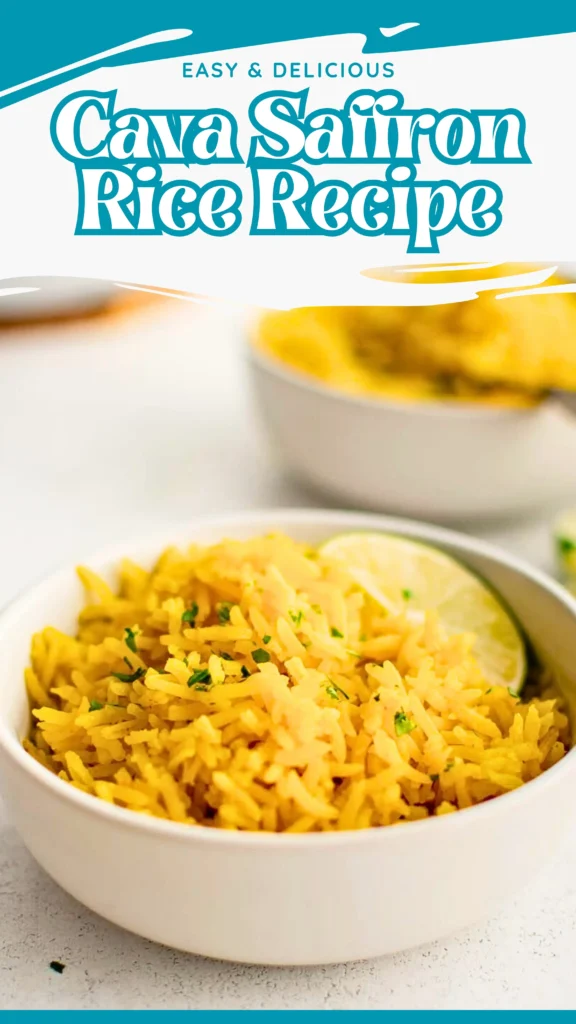
Each bite offers a delicate buttery richness balanced by subtle warmth from the golden spice. The candied barberries provide tart-sweet jewel-like bursts that cut through the richness beautifully. The star of the show is the crispy potato tahdig a golden, crunchy bottom layer with caramelized edges that adds a satisfying textural contrast.
Together, these elements create an aromatic, luxurious side dish that’s simultaneously comforting and elegant, with a flavor profile that’s nutty, fragrant, and absolutely addictive.
Cava Saffron Rice Recipe Ingredients
For the Saffron Basmati Rice:
- 3 cups basmati rice (or jasmine rice as alternative)
- 4 tablespoons table salt (for brining)
- 1 large russet potato (unpeeled, sliced into ⅔-inch thick medallions)
- ¼–⅓ cup oil-butter mixture (3 parts grapeseed oil to 1 part butter)
- Salt and fresh black pepper to taste
- 1 teaspoon ground saffron (divided)
- ½ cup boiling water (for saffron infusion)
- 5–6 tablespoons butter (for final steaming)
For the Candied Barberries (Zereshk):
- ½–1 cup dried barberries
- 2–3 tablespoons butter
- Sugar or honey to taste
- Saffron infusion (optional, for color)
Optional Garnishes:
- Slivered almonds or pistachios
- Dried fruits (raisins, cranberries)
- Orange zest
- Fresh herbs
Kitchen Utensils You’ll Need
- Large heavy-bottomed pot with tight-fitting lid
- Large stockpot (for parboiling rice)
- Fine-mesh colander
- Small saucepan (for barberries)
- Mixing bowls
- Measuring cups and spoons
- Kitchen towel or paper towels
- Wooden spoon or spatula
- Mortar and pestle (for grinding saffron)
Preparation and Cooking Time
Prep Time: 1 hour 15 minutes (includes soaking)
Cook Time: 55 minutes
Total Time: 2 hours 10 minutes
Servings: 6-8 servings
Cava Saffron Rice Recipe Instructions
Step 1: Prepare and Soak the Rice
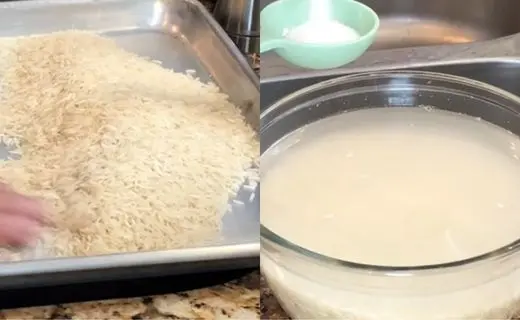
Inspect the 3 cups basmati rice for any debris or small rocks. Rinse the rice 3 times in a large bowl, gently swishing the grains with your hands until the water runs mostly clear. On the fourth fill, add 4 tablespoons salt to create a brine. Stir well and let soak for 1 hour at room temperature.
Step 2: Prepare the Potato and Saffron
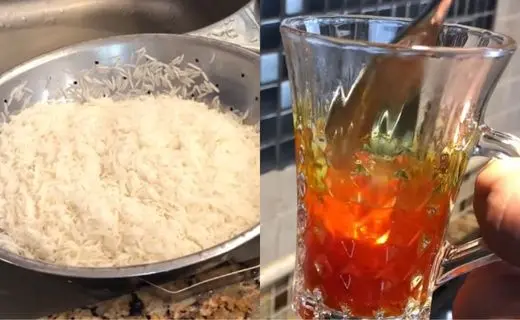
While the rice soaks, wash and slice 1 large russet potato into ⅔-inch thick medallions no need to peel. Using a mortar and pestle, grind 1 teaspoon saffron threads into a fine powder. Transfer to a small bowl and add ½ cup boiling water. Stir and let steep for at least 5 minutes until deeply golden.
Step 3: Parboil the Rice
Bring a large pot of water to a rolling boil. Drain the brined rice thoroughly and add it to the boiling water. Cook for approximately 5 minutes, stirring occasionally, until the grains are al dente soft on the outside but still firm in the center. Drain immediately in a colander, then rinse twice with cold tap water to stop the cooking and remove excess starch. Let drain completely.
Step 4: Create the Tahdig Base
In your heavy-bottomed pot, combine grapeseed oil and butter in a 3:1 ratio (about ¼–⅓ cup total) to generously coat the bottom. Add a pinch of salt, fresh black pepper, and about 2 tablespoons of the saffron infusion. Swirl to coat the bottom and slightly up the sides. Arrange potato slices in a single layer over the oil mixture, slightly overlapping if needed. Season the tops with additional salt and pepper.
Step 5: Build the Rice Pyramid
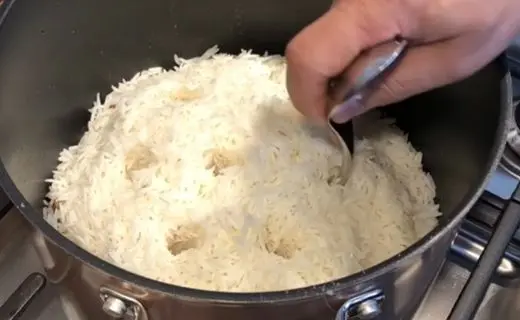
Gently pile the parboiled rice over the potato layer in a pyramid or mound shape, leaving space around the edges for steam circulation. Using the handle of a wooden spoon, poke 8–10 holes through the rice mound down to the bottom to allow steam to escape evenly.
Step 6: Initial Steam
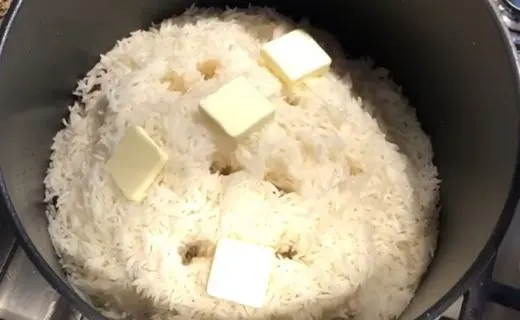
Cover with the lid and cook on medium-high heat for about 4 minutes until you see condensation forming on the lid. Place 5–6 tablespoons butter on top of the rice mound. Wrap the pot lid with a clean kitchen towel or several paper towels, securing the corners on top to prevent them from catching fire. This creates a tight seal that traps steam.
Step 7: Long Steam for Perfect Tahdig
Reduce heat to medium-low and steam for 45 minutes undisturbed. The rice will become fluffy and the potato layer will transform into crispy, golden tahdig.
Step 8: Prepare Candied Barberries
While the rice steams, inspect and clean the dried barberries, removing any stems or debris. Soak in cold water for 20–30 minutes to rehydrate, then drain well. In a small pan over medium-low heat, melt 2–3 tablespoons butter. Add the drained barberries and sauté gently for about 1 minute don’t overcook or they’ll burn.
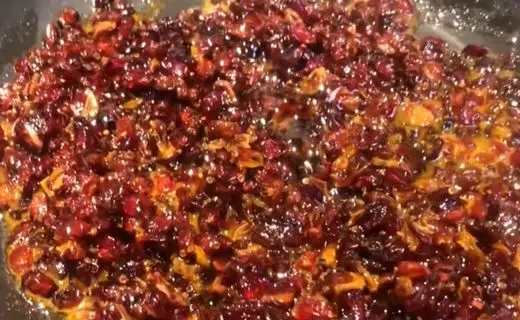
Reduce heat to low, add a splash of saffron infusion if desired, then add sugar or honey to taste. Cook 1–2 more minutes until lightly caramelized and glossy. Remove from heat and set aside.
Step 9: Release the Tahdig
After 45 minutes of steaming, carefully place the pot in a sink with 2–3 inches of cold water for 2–3 minutes. This helps release the tahdig from the bottom without damaging it.
Step 10: Plate and Garnish
Reserve 1–2 cups of the plain white rice from the top. Gently transfer the bulk of the steamed rice to a serving platter using a spatula. Carefully remove the crispy potato tahdig pieces (or invert the entire pot onto a plate to release it whole if you’re feeling confident). Mix the reserved rice with remaining saffron infusion, candied barberries, and extra butter if desired.
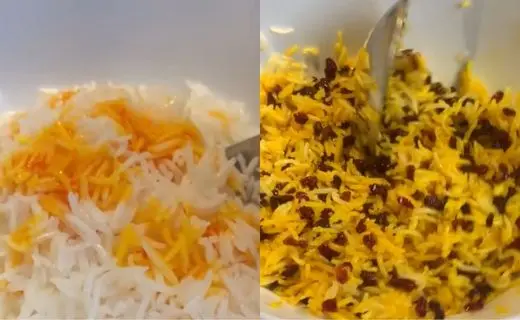
Arrange this golden, jeweled rice on top of the white rice. Place the crispy tahdig pieces on top or serve alongside.
Customization and Pairing Ideas for Serving
1. Mediterranean Bowl Style: Serve your cava saffron rice recipe as the base of a grain bowl topped with grilled chicken, crispy chickpeas, diced cucumber, tomatoes, red onion, feta cheese, and a drizzle of tahini sauce or tzatziki. This mirrors the authentic Cava restaurant experience and makes for a complete meal.
2. Jeweled Rice Variation (Morasa Polo): Transform this into a festive Persian jeweled rice by adding slivered carrots, orange zest, dried cranberries, golden raisins, slivered almonds, and pistachios. Lightly sauté these ingredients in butter with a touch of sugar before mixing them with the saffron rice for a stunning presentation perfect for holidays.
3. Protein Pairings: This saffron basmati rice pairs beautifully with grilled or roasted proteins. Try it alongside lamb kebabs, chicken shawarma, grilled salmon with lemon, Persian-style chicken (zereshk polo ba morgh), or Middle Eastern meatballs. The buttery, aromatic rice complements rich, spiced meats perfectly.
4. Vegan Adaptation: Make this completely plant-based by using vegan butter or additional olive oil throughout. The flavors remain just as luxurious, and you can increase the candied barberries and add toasted nuts for extra richness and protein.
5. Spanish-Inspired Twist: While this is primarily a Persian saffron rice recipe, you can give it Spanish flair by adding a pinch of smoked paprika to the oil mixture, incorporating diced tomatoes and peas into the rice, and serving it alongside seafood like grilled shrimp or mussels.
6. Bread Tahdig Alternative: Instead of potato slices, line the bottom of your pot with pita bread, lavash, or flour tortillas brushed with the oil-butter-saffron mixture. This creates a crispy, chip-like tahdig that’s equally delicious and offers a different textural experience.
Essential Tips for Perfect Results
1. Saffron Quality Matters: Invest in high-quality saffron threads for the best flavor and color. Persian or Spanish saffron offers superior aroma and potency. Grinding the threads yourself releases more flavor than using pre-ground saffron. If you’re working with whole threads, steep them longer (10–15 minutes) in hot water, or grind them with a small pinch of sugar to help release their essence.
2. Master the Parboil: The key to separate, fluffy grains in any saffron rice recipe is proper parboiling. Your rice should be al dente if you bite a grain, it should be soft outside but still have a slight firmness in the center. Overcooking at this stage will result in mushy rice after steaming. Test frequently starting at the 4-minute mark.
3. Heavy-Bottomed Pot is Non-Negotiable: For perfect tahdig, you need even heat distribution. A thick, heavy-bottomed pot (like enameled cast iron, stainless steel with a thick base, or a traditional Persian rice pot) prevents hot spots that cause burning. Thin pots will burn the bottom before the rice steams properly. If you don’t have one, consider using a heat diffuser.
4. The Oil-Butter Ratio Secret: The 3:1 ratio of oil to butter is crucial for achieving crispy, golden tahdig without burning. Pure butter alone burns too easily at the extended cooking temperature, while oil alone doesn’t provide the rich flavor. Grapeseed oil works best due to its neutral flavor and high smoke point, but avocado oil or refined coconut oil also work well.
5. Don’t Skip the Cold Water Bath: This restaurant technique is essential for releasing the tahdig intact. The sudden temperature change causes the pot to contract slightly, separating the crispy layer from the bottom. Let it sit for 2–3 minutes in cold water not longer, or the tahdig may start to soften.
6. Steam Holes Are Essential: Those 8–10 holes you poke through the rice mound aren’t optional they’re the secret to evenly cooked rice. Without them, steam gets trapped in the center, leading to undercooked rice on top and potentially soggy rice underneath.
Storage and Reheating Guidance
Store leftover saffron rice in an airtight container in the refrigerator for up to 4 days. Reheat in the microwave with a damp paper towel over the top to restore moisture, or gently warm in a covered pan on the stovetop with a tablespoon of water or butter. The tahdig is best enjoyed fresh but can be recrisped in a hot oven or air fryer.
Common Queries and FAQs
Here, we’ve got you covered with some common questions about the Cava Saffron Rice Recipe that people often ask.
Can I use regular long-grain rice instead of basmati rice?
Yes, but basmati rice is preferred for its aromatic qualities, long grains, and fluffy texture. Jasmine rice is the best alternative and works well in this copycat cava saffron rice recipe. Regular long-grain rice will work but may not have the same fragrance or separate grain structure.
My saffron is expensive can I use less?
Absolutely. While 1 teaspoon provides rich color and flavor, you can use as little as ½ teaspoon for a more subtle result. Some home cooks stretch their saffron by using turmeric for color (¼ teaspoon) combined with a smaller amount of saffron for authentic flavor. However, turmeric alone won’t replicate saffron’s unique taste.
What if I don’t have barberries?
Dried cranberries, dried cherries, or currants make excellent substitutes in this saffron rice recipe. Chop them slightly smaller if they’re large, and adjust the sugar since cranberries are often presweetened. Pomegranate arils also work beautifully as a fresh, tart alternative.
Why didn’t my tahdig turn out crispy?
Several factors affect tahdig: insufficient oil-butter mixture, too-low heat, lifting the lid during cooking, or a thin-bottomed pot. Make sure you’re generous with the oil mixture, maintain steady medium-low heat (not low-low), keep the lid sealed for the full 45 minutes, and use a heavy pot. The cold water bath at the end also helps with release and crispiness.
Can I make this saffron basmati rice in advance?
You can prep components ahead: soak and parboil the rice up to 4 hours early (keep refrigerated), prepare the saffron infusion the night before, and make candied barberries in advance. However, the final steaming should be done close to serving time for the best texture and fresh tahdig. Fully cooked rice can be made a few hours ahead and kept warm in a low oven.
Is this the same as Spanish saffron rice or paella?
No, while both use saffron, they’re different dishes. Spanish saffron rice recipe methods typically incorporate the saffron directly into cooking liquid with the rice absorbing it in one pot, often with tomatoes, peppers, and proteins mixed in. This Persian-style saffron rice recipe uses parboiling then steaming, creates a crispy tahdig layer, and keeps the rice as a side dish rather than a one-pot meal.
What’s the purpose of soaking rice in salt water?
Brining the rice serves multiple purposes: it seasons the grains throughout (not just on the surface), helps them cook more evenly, and strengthens the grain structure so they’re less likely to break during parboiling and steaming. This results in perfectly separate, fluffy grains rather than sticky or mushy rice.
Can I make a larger batch for a crowd?
Yes, but you’ll need a very large pot and may need to adjust cooking times slightly. For amounts larger than 4–5 cups of uncooked rice, consider making two separate batches rather than one huge pot, as it becomes difficult to achieve even cooking and proper steam circulation in oversized quantities.
My rice turned out mushy what went wrong?
Mushy rice typically results from over-parboiling (cooking longer than 5–6 minutes in the boiling water), not rinsing away enough starch before the final steam, or using too much liquid/butter during steaming. Make sure you’re draining the rice well after parboiling and rinsing it with cold water to wash away excess starch.
Do I really need to grind the saffron, or can I use whole threads?
Grinding saffron releases significantly more color, flavor, and aroma. Whole threads will work but require longer steeping time (15–20 minutes) and won’t distribute color as evenly throughout your rice. For best results in any saffron rice recipe, take the extra minute to grind the threads with a mortar and pestle or between your fingers.
Can I freeze leftover saffron rice?
Yes, saffron rice freezes well for up to 3 months. Let it cool completely, portion into freezer-safe containers or bags, and freeze. Thaw overnight in the refrigerator and reheat gently. The tahdig doesn’t freeze well and should be stored separately or enjoyed fresh. The rice grains maintain their texture beautifully after freezing.
What’s the difference between this and a basic saffron rice recipe?
This copycat cava rice recipe goes beyond simple saffron rice by incorporating Persian tahdig technique, candied barberries for complexity, layered steaming for maximum fluffiness, and the signature oil-butter base. Basic saffron rice recipes often just add saffron to cooking water, while this method creates restaurant-quality results with multiple textural elements.
Cava Saffron Rice Recipe
There’s something magical about saffron rice that transforms an ordinary meal into an extraordinary culinary experience. If you’ve ever enjoyed the aromatic, golden saffron basmati rice at Cava and wished you could recreate it at home, you’re in the right place.
Ingredients
- 3 cups basmati rice (or jasmine rice as alternative)
- 4 tablespoons table salt (for brining)
- 1 large russet potato (unpeeled, sliced into ⅔-inch thick medallions)
- ¼–⅓ cup oil-butter mixture (3 parts grapeseed oil to 1 part butter)
- Salt and fresh black pepper to taste
- 1 teaspoon ground saffron (divided)
- ½ cup boiling water (for saffron infusion)
- 5–6 tablespoons butter (for final steaming)
- ½–1 cup dried barberries
- 2–3 tablespoons butter
- Sugar or honey to taste
- Saffron infusion (optional, for color)
- Slivered almonds or pistachios
- Dried fruits (raisins, cranberries)
- Orange zest
- Fresh herbs
Instructions
Step 1: Prepare and Soak the Rice
Inspect the 3 cups basmati rice for any debris or small rocks. Rinse the rice 3 times in a large bowl, gently swishing the grains with your hands until the water runs mostly clear. On the fourth fill, add 4 tablespoons salt to create a brine. Stir well and let soak for 1 hour at room temperature.
Step 2: Prepare the Potato and Saffron
While the rice soaks, wash and slice 1 large russet potato into ⅔-inch thick medallions no need to peel. Using a mortar and pestle, grind 1 teaspoon saffron threads into a fine powder. Transfer to a small bowl and add ½ cup boiling water. Stir and let steep for at least 5 minutes until deeply golden.
Step 3: Parboil the Rice
Bring a large pot of water to a rolling boil. Drain the brined rice thoroughly and add it to the boiling water. Cook for approximately 5 minutes, stirring occasionally, until the grains are al dente soft on the outside but still firm in the center. Drain immediately in a colander, then rinse twice with cold tap water to stop the cooking and remove excess starch. Let drain completely.
Step 4: Create the Tahdig Base
In your heavy-bottomed pot, combine grapeseed oil and butter in a 3:1 ratio (about ¼–⅓ cup total) to generously coat the bottom. Add a pinch of salt, fresh black pepper, and about 2 tablespoons of the saffron infusion. Swirl to coat the bottom and slightly up the sides. Arrange potato slices in a single layer over the oil mixture, slightly overlapping if needed. Season the tops with additional salt and pepper.
Step 5: Build the Rice Pyramid
Gently pile the parboiled rice over the potato layer in a pyramid or mound shape, leaving space around the edges for steam circulation. Using the handle of a wooden spoon, poke 8–10 holes through the rice mound down to the bottom to allow steam to escape evenly.
Step 6: Initial Steam
Cover with the lid and cook on medium-high heat for about 4 minutes until you see condensation forming on the lid. Place 5–6 tablespoons butter on top of the rice mound. Wrap the pot lid with a clean kitchen towel or several paper towels, securing the corners on top to prevent them from catching fire. This creates a tight seal that traps steam.
Step 7: Long Steam for Perfect Tahdig
Reduce heat to medium-low and steam for 45 minutes undisturbed. The rice will become fluffy and the potato layer will transform into crispy, golden tahdig.
Step 8: Prepare Candied Barberries
While the rice steams, inspect and clean the dried barberries, removing any stems or debris. Soak in cold water for 20–30 minutes to rehydrate, then drain well. In a small pan over medium-low heat, melt 2–3 tablespoons butter. Add the drained barberries and sauté gently for about 1 minute don’t overcook or they’ll burn. Reduce heat to low, add a splash of saffron infusion if desired, then add sugar or honey to taste. Cook 1–2 more minutes until lightly caramelized and glossy. Remove from heat and set aside.
Step 9: Release the Tahdig
After 45 minutes of steaming, carefully place the pot in a sink with 2–3 inches of cold water for 2–3 minutes. This helps release the tahdig from the bottom without damaging it.
Step 10: Plate and Garnish
Reserve 1–2 cups of the plain white rice from the top. Gently transfer the bulk of the steamed rice to a serving platter using a spatula. Carefully remove the crispy potato tahdig pieces (or invert the entire pot onto a plate to release it whole if you’re feeling confident). Mix the reserved rice with remaining saffron infusion, candied barberries, and extra butter if desired. Arrange this golden, jeweled rice on top of the white rice. Place the crispy tahdig pieces on top or serve alongside.
Notes
Store leftover saffron rice in an airtight container in the refrigerator for up to 4 days. Reheat in the microwave with a damp paper towel over the top to restore moisture, or gently warm in a covered pan on the stovetop with a tablespoon of water or butter. The tahdig is best enjoyed fresh but can be recrisped in a hot oven or air fryer.
Nutrition Information:
Yield:
4Serving Size:
1Amount Per Serving: Calories: 190
This copycat cava saffron rice recipe brings the beloved flavors of restaurant-quality Persian-inspired saffron basmati rice right to your home kitchen. With its golden, aromatic grains, jewel-toned candied barberries, and that irresistible crispy potato tahdig, this dish elevates any meal from ordinary to extraordinary.
While the technique requires some patience and attention to detail, the results are absolutely worth it your kitchen will smell incredible, and your guests will be thoroughly impressed.
Whether you’re exploring Persian saffron rice recipe traditions or simply craving that signature cava rice recipe experience, this comprehensive guide gives you everything you need for success.
Now it’s time to gather your ingredients, steep that gorgeous saffron, and create some golden, buttery magic!
If you enjoyed this recipe, be sure to save it and share it with friends. Don’t forget to follow us on Pinterest and YouTube for more cozy and comfort recipes.