
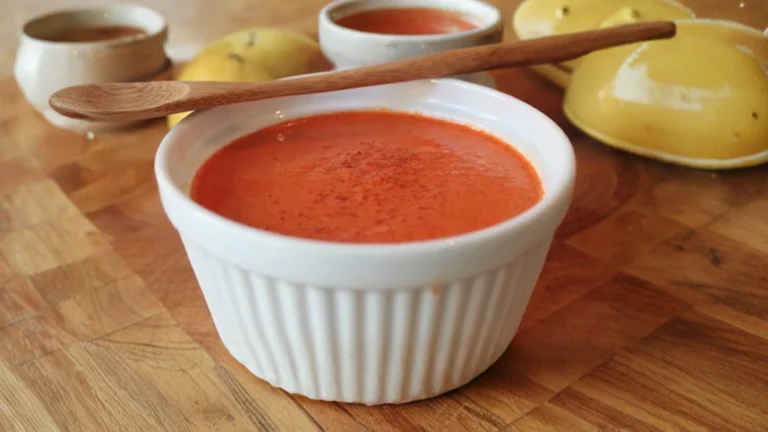

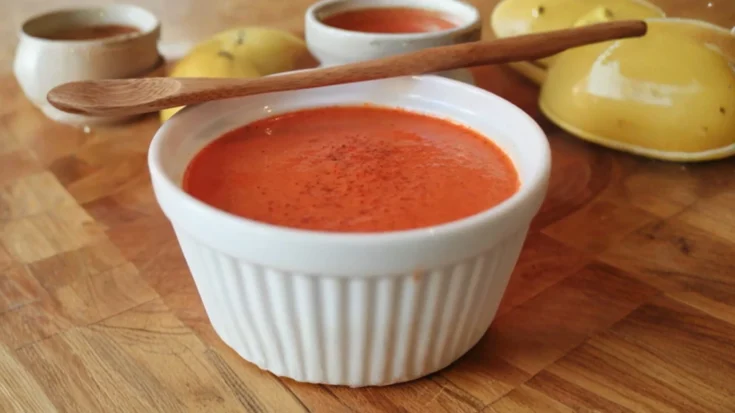
There’s something irresistibly bold about that fiery, tangy drizzle you get at Cava – the one that transforms a simple grain bowl into something extraordinary. This copycat Cava harissa vinaigrette recipe brings that restaurant-quality magic straight to your kitchen.
Whether you’re craving the smoky heat of their hot harissa vinaigrette or want to customize the spice level to your liking, this homemade version delivers authentic Mediterranean flavors with roasted peppers, aromatic spices, and just the right amount of kick.
Once you master this harissa dressing, you’ll never look at salads, grains, or roasted vegetables the same way again.
What Does It Taste Like?
The Cava hot harissa vinaigrette is a flavor explosion that balances heat, smoke, and tanginess in perfect harmony.
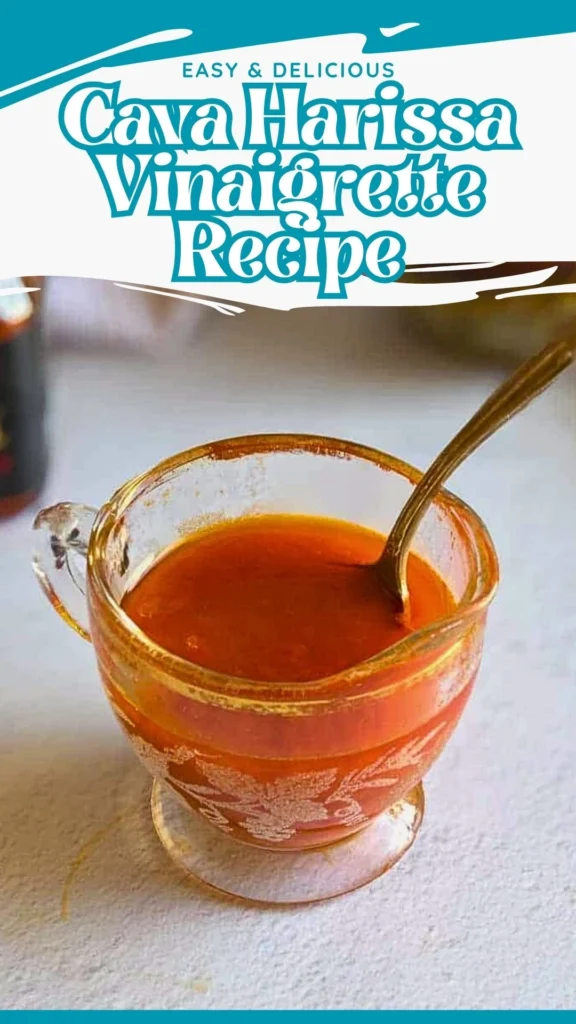
You’ll immediately taste the deep, charred sweetness from fire-roasted red bell peppers, followed by a building warmth from Fresno chilies and habanero. The brightness of fresh lemon juice cuts through the richness, while toasted coriander and caraway add earthy, slightly citrusy undertones.
Cumin brings warmth, and dried mint offers an unexpected cooling note that makes this harissa vinaigrette Cava style so distinctive. The finish is pleasantly spicy without being overwhelming – complex, vibrant, and utterly addictive.
Ingredients and Kitchen Utensils Lists
Cava Harissa Vinaigrette Recipe Ingredients:
- 2-3 large red bell peppers (for roasting)
- 2-3 red Fresno chilies
- 1-2 habanero peppers (or Scotch bonnet)
- 6-8 garlic cloves
- 1 tablespoon coriander seeds
- 1 teaspoon caraway seeds
- 1 teaspoon ground cumin
- 1 teaspoon dried mint
- 1 teaspoon salt (plus more to taste)
- 2-3 tablespoons fresh lemon juice
- ¼ cup light/neutral vegetable oil
- 1 tablespoon extra virgin olive oil
Traditional harissa paste is the foundation of this vinaigrette, but this recipe recreates that bold flavor from scratch using roasted red peppers, chilies, garlic, and warm spices just like the sauce served at CAVA.
Kitchen Utensils:
- Gas stove or grill for roasting
- Tongs
- Plastic or paper bag
- Large pot for blanching
- Strainer or slotted spoon
- Dry sauté pan
- Mortar and pestle (or spice grinder)
- High-speed blender
- Glass jar for storage
Preparation and Cooking Time with Serving
Prep Time: 20 minutes
Cook Time: 25 minutes
Total Time: 45 minutes
Yield: Approximately 1½ cups of harissa vinaigrette
Servings: 12-16 servings (2 tablespoons per serving)
Cava Harissa Vinaigrette Recipe Instructions
Step 1: Fire-Roast the Red Bell Peppers
Place red bell peppers directly over an open flame on your gas stove burner, turning frequently with tongs until the entire surface is heavily charred and blistered (about 8-10 minutes total). Immediately transfer the charred peppers to a plastic or paper bag, seal tightly, and let them steam for 15 minutes.
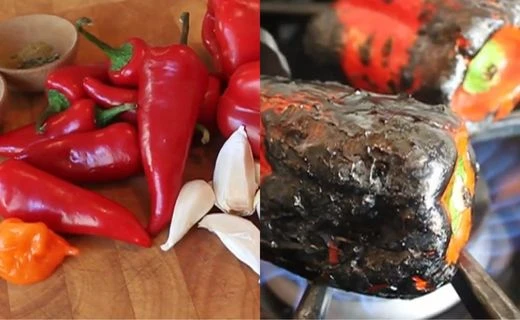
This steaming process loosens the skin. Once cooled, peel off the charred skin using a knife or paper towel – you can rinse under water if needed, though it’s not preferred as it washes away flavor. Remove the stem, seeds, and white membranes completely.
Step 2: Blanch the Hot Peppers and Garlic
Bring a large pot of salted water to a rolling boil. Trim the root end off the garlic cloves but keep the peel intact. Add the whole garlic cloves, Fresno chilies, and habanero peppers to the boiling water. Once the water returns to a boil, blanch for exactly 3 minutes.
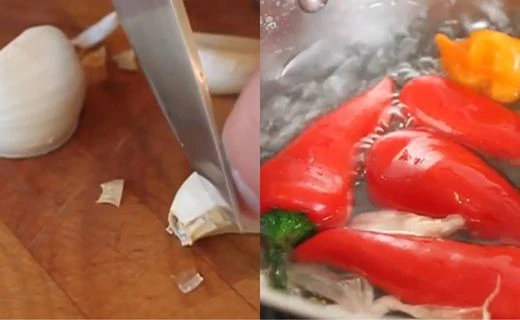
Remove with a strainer and let cool until safe to handle. Peel the garlic (the skin should slip off easily). Cut the Fresno and habanero peppers in half lengthwise and scrape out all seeds and membranes using a spoon – this is especially important for habaneros to control the heat level.
Step 3: Toast and Grind the Spices
Heat a dry sauté pan over medium heat. Add coriander seeds and caraway seeds, toasting for 2-3 minutes while stirring occasionally until fragrant and slightly darkened. You’ll know they’re ready when the aroma fills your kitchen.
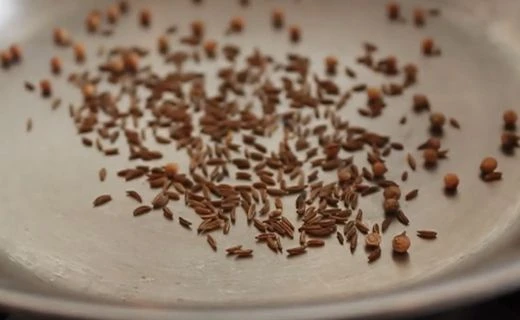
Transfer the toasted seeds to a mortar and pestle, then add ground cumin, dried mint, and salt. Grind everything together until you achieve a fine, uniform powder. This fresh spice blend is the aromatic backbone of your hot harissa vinaigrette Cava recipe.
Step 4: Blend the Harissa Base
In a high-speed blender, combine the roasted and peeled red bell peppers, blanched and peeled garlic cloves, deseeded Fresno chilies and habanero, the entire ground spice mixture, fresh lemon juice, and a splash of light neutral oil.
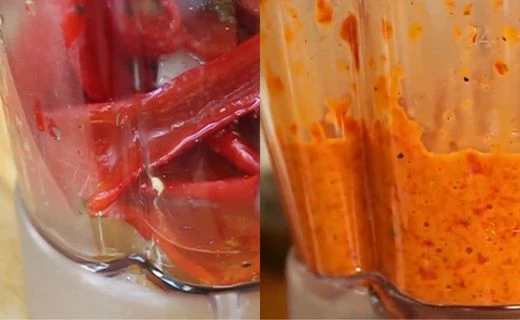
Blend on high speed until completely smooth, stopping periodically to scrape down the sides with a spatula. The mixture should be silky and well-emulsified. Taste and adjust the lemon juice or salt as needed.
Step 5: Finish with Extra Virgin Olive Oil
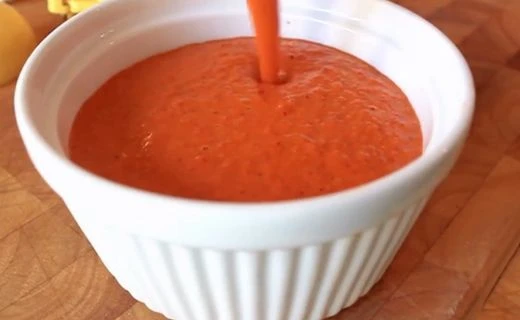
During the last few seconds of blending, slowly drizzle in 1 tablespoon of quality extra virgin olive oil through the blender’s top opening. This finishing oil adds richness and a fruity note that elevates the entire harissa vinaigrette. Blend just until incorporated – about 5-10 seconds more.
Step 6: Store and Rest
Transfer your homemade Cava harissa vinaigrette to a clean glass jar. Let it rest in the refrigerator for at least 2 hours before using, allowing the flavors to meld and develop. Taste one final time and adjust seasoning if needed.
Customization and Pairing for Serving Ideas
1. Mediterranean Grain Bowls
Drizzle this harissa dressing over a base of warm couscous, quinoa, or farro, then top with roasted chickpeas, cucumber, tomatoes, feta cheese, and fresh herbs. The spicy-tangy vinaigrette ties all the components together just like the original Cava experience. Add grilled chicken, lamb, or falafel for protein.
2. Roasted Vegetable Enhancer
Toss roasted cauliflower, Brussels sprouts, sweet potatoes, or carrots with this hot harissa vinaigrette immediately after they come out of the oven. The heat from the vegetables helps the dressing coat evenly and brings out the aromatic spices. This works beautifully as a side dish or meal prep component.
3. Protein Marinade and Glaze
Use the harissa vinaigrette Cava as a marinade for chicken thighs, salmon, shrimp, or tofu for at least 30 minutes before grilling or roasting. Reserve some undressed vinaigrette to drizzle over the cooked protein for an extra flavor boost. The acidity tenderizes while the spices create a beautiful crust.
4. Crispy Falafel Flavor
Add texture and bold Mediterranean taste by serving cava falafel with fire-roasted corn and roasted vegetables. Its crisp exterior and aromatic herbs elevate the meal and create a satisfying dining experience.
5. Elevated Sandwich Spread
Transform ordinary sandwiches and wraps by spreading this Cava hot harissa vinaigrette on bread or flatbreads instead of mayo or mustard. It pairs exceptionally well with grilled vegetables, roasted turkey, lamb, or even a simple tomato and mozzarella combination. The bold flavors turn lunch into something memorable.
6. Golden Chicken Delight
Gus’s fried chicken pairs perfectly with cava roasted vegetables and fire-roasted corn, providing a crunchy, savory centerpiece that balances textures, enhances flavor, and makes any family or casual meal memorable.
7. Salad Dressing Variation
For a lighter, more pourable dressing, thin the harissa vinaigrette with additional lemon juice, red wine vinegar, or even a touch of water. Whisk in extra olive oil to mellow the heat slightly. This works perfectly for mixed green salads, kale salads, or as a dressing for a chopped Mediterranean salad with olives and artichokes.
8. Dip for Appetizers
Serve the hot harissa vinaigrette as a vibrant dip alongside warm pita bread, pita chips, raw vegetables, or as a spread for crostini topped with goat cheese. Mix it with Greek yogurt or labneh to create a creamy harissa dip that’s perfect for entertaining. The contrast between cool dairy and spicy harissa is irresistible.
9. Pizza and Flatbread Drizzle
After baking homemade pizza or flatbread, drizzle this copycat Cava harissa vinaigrette recipe over the top for a restaurant-quality finish. It works especially well with Mediterranean-style pizzas featuring ingredients like feta, olives, red onion, and arugula. The heat and acidity cut through rich cheese beautifully.
Tips for Perfect Harissa Vinaigrette
1. Control the Heat Level
The spiciness of your hot harissa vinaigrette Cava recipe depends entirely on your pepper choices and how thoroughly you remove seeds and membranes. For milder heat, use only one habanero and remove all seeds meticulously. For extra fire, leave some seeds in the Fresno chilies or add an additional habanero. Remember that blanching the peppers actually reduces some of the raw, sharp heat while preserving the fruity pepper flavor, making the overall spiciness more rounded and manageable.
2. Perfect Your Pepper Roasting Technique
The charring process is crucial for developing the smoky depth that makes this harissa dressing special. Don’t rush it – you want the peppers almost completely blackened. If you don’t have a gas stove, use your oven broiler set to high, placing peppers on the top rack and rotating every 5 minutes. The steaming step in a sealed bag is non-negotiable as it makes peeling effortless and continues cooking the flesh to perfect tenderness.
3. Toast Spices Fresh Every Time
Pre-ground spices lose their potency quickly, but toasting whole coriander and caraway seeds releases essential oils that bring complexity to your Cava harissa vinaigrette. Watch them carefully during toasting – they can go from perfectly aromatic to burnt in seconds. You’ll know they’re ready when you can smell them from a few feet away. Let them cool slightly before grinding to prevent losing volatile oils to steam.
4. Balance Acidity and Oil Properly
The vinaigrette should be bright and tangy but not puckering. Start with 2 tablespoons of lemon juice and add more to taste after blending. The neutral oil helps create a smooth, emulsified texture, while the finishing extra virgin olive oil adds fruity notes. If your harissa vinaigrette seems too thick, add oil one tablespoon at a time. Too thin? Add more roasted red pepper or reduce the oil slightly in your next batch.
5. Let Flavors Develop Overnight
While you can use this hot harissa vinaigrette immediately, it truly shines after resting in the refrigerator for at least 2 hours, or ideally overnight. This resting period allows the garlic to mellow, the spices to bloom fully, and all the flavors to marry into a cohesive, complex sauce. Many people find the flavor actually improves over the first 2-3 days of storage.
6. Blanching Reduces Bitterness
The blanching step for garlic and hot peppers isn’t just about making them easier to peel – it also removes some of the harsh, raw bitterness that can overpower your harissa vinaigrette Cava copycat. The brief boil mellows the garlic’s bite and softens the peppers’ vegetal notes while maintaining their essential character. Don’t skip this step or over-blanch (which would make everything mushy).
7. Invest in Quality Finishing Oil
Since the extra virgin olive oil is added at the very end and not cooked, its flavor comes through prominently in the final Cava hot harissa vinaigrette. Use a good-quality, fruity extra virgin olive oil for the finishing drizzle – this isn’t the place for your budget oil. The peppery, grassy notes of quality olive oil complement the spices beautifully and add a luxurious mouthfeel that makes this dressing restaurant-worthy.
Storage and Reheating Guidance
Store your harissa vinaigrette in an airtight glass jar in the refrigerator for up to 2 weeks. The oil may solidify when cold – simply let it sit at room temperature for 15-20 minutes before using, or give the jar a warm water bath. No reheating necessary; this dressing is meant to be used cold or at room temperature.
Common Queries and FAQs
Below are the most frequently asked questions about the Cava Harissa Vinaigrette Recipe, along with clear and helpful answers.
Can I make this harissa vinaigrette without a gas stove for roasting peppers?
Absolutely! If you don’t have a gas stove, use your oven’s broiler setting on high. Place whole red bell peppers on a baking sheet lined with foil and position the rack about 4-6 inches from the heating element. Broil for 5-7 minutes per side, rotating until all sides are completely charred and blistered. Alternatively, you can use an outdoor grill, placing peppers directly on the grates over high heat. Some people even use a kitchen torch to char peppers, though this takes more time and patience.
How spicy is the Cava hot harissa vinaigrette compared to the regular version?
The “hot” version at Cava has noticeably more heat, typically from additional habanero or Scotch bonnet peppers. In this recipe, using two habaneros with some seeds left in creates the hot version, while one fully deseeded habanero makes a milder version closer to their regular harissa vinaigrette. The beauty of making it at home is complete control over heat level – start conservative and add more pepper if desired.
Can I substitute the fresh peppers with dried chilies?
While fresh peppers give the most authentic flavor, you can use dried chilies in a pinch. Rehydrate 4-5 dried ancho or guajillo chilies in hot water for 20 minutes, then remove stems and seeds. You’ll still want to roast fresh red bell peppers for that essential smoky sweetness. Keep in mind that dried chilies have a more concentrated, earthy flavor that changes the profile slightly from the Cava original.
What’s the best neutral oil to use for blending?
Grapeseed oil, canola oil, vegetable oil, or light olive oil all work perfectly as your neutral base oil. Avoid strongly flavored oils like toasted sesame oil or unrefined coconut oil, which would overpower the delicate spice balance. The neutral oil creates the smooth, emulsified texture while letting the peppers and spices shine. Save your fancy extra virgin olive oil for the finishing drizzle.
Why do I need to blanch the garlic and hot peppers?
Blanching serves multiple purposes in this copycat Cava harissa vinaigrette recipe. It softens the garlic’s sharp, raw bite while making the cloves incredibly easy to peel. For the hot peppers, blanching slightly reduces the harsh, vegetal edge and makes them more pliable for deseeding. It also helps mellow the overall heat without sacrificing flavor complexity. Raw garlic and peppers would create a much sharper, less balanced vinaigrette.
How can I make this less spicy for kids or sensitive palates?
Reduce or completely omit the habanero pepper, using only one or two Fresno chilies with all seeds and membranes thoroughly removed. You can also add an extra roasted red bell pepper to dilute the heat while maintaining volume. Another option is mixing the finished harissa dressing half-and-half with Greek yogurt or tahini to create a creamy, milder version that still carries the signature flavors.
Can I use bottled lemon juice instead of fresh?
Fresh lemon juice is strongly recommended for the brightest, most authentic flavor in your Cava harissa vinaigrette. Bottled lemon juice often contains preservatives that can taste metallic or flat. However, if you’re in a pinch, bottled juice will work – just start with less since it can taste more concentrated. You can also substitute red wine vinegar or white wine vinegar for a different but equally delicious tangy note.
What if I don’t have a mortar and pestle for grinding spices?
A dedicated spice grinder or clean coffee grinder works excellently for grinding toasted spices into a fine powder. Pulse in short bursts to avoid overheating the spices. In a pinch, you can place the toasted seeds in a plastic bag and crush them with a rolling pin or heavy pan, though the texture won’t be quite as fine. Some blenders are powerful enough to grind whole spices if you add them to the blender with the other ingredients.
How does this compare to store-bought harissa paste?
This harissa vinaigrette Cava recipe is specifically formulated as a pourable dressing rather than a thick paste. It’s thinner, more acidic, and designed to coat ingredients evenly rather than be used as a condiment. Store-bought harissa paste is typically thicker, less acidic, and sometimes includes tomato paste. You can thin commercial harissa with oil, lemon juice, and vinegar, but it won’t have the same fire-roasted depth or fresh, bright flavor.
Can I freeze harissa vinaigrette for longer storage?
While freezing is possible, it’s not ideal for this hot harissa vinaigrette because the emulsion may break when thawed, and the texture can become grainy. The fresh, bright lemon flavor also diminishes somewhat. If you must freeze it, use ice cube trays to portion it out, then transfer frozen cubes to a freezer bag. Thaw in the refrigerator overnight and re-blend briefly to re-emulsify before using.
What’s the purpose of adding olive oil at the end instead of blending it all together?
Adding extra virgin olive oil in the final seconds of blending preserves its delicate fruity, peppery flavors that would be diminished by extended blending and heat friction. The neutral oil does the heavy lifting of creating emulsification and smooth texture, while the finishing olive oil adds a luxurious mouthfeel and fresh, green notes that make this Cava hot harissa vinaigrette taste restaurant-quality.
Can I make a big batch and can it for long-term storage?
Due to the fresh garlic, peppers, and oil content, this recipe is not safe for home canning using traditional water bath or pressure canning methods. The low acidity and presence of fresh vegetables create conditions where botulism could develop. Stick to refrigerator storage for up to 2 weeks, or freeze in small portions if you need longer storage, though texture quality may suffer.
Cava Harissa Vinaigrette Recipe
There’s something irresistibly bold about that fiery, tangy drizzle you get at Cava – the one that transforms a simple grain bowl into something extraordinary. This copycat Cava harissa vinaigrette recipe brings that restaurant-quality magic straight to your kitchen.
Ingredients
- 2-3 large red bell peppers (for roasting)
- 2-3 red Fresno chilies
- 1-2 habanero peppers (or Scotch bonnet)
- 6-8 garlic cloves
- 1 tablespoon coriander seeds
- 1 teaspoon caraway seeds
- 1 teaspoon ground cumin
- 1 teaspoon dried mint
- 1 teaspoon salt (plus more to taste)
- 2-3 tablespoons fresh lemon juice
- ¼ cup light/neutral vegetable oil
- 1 tablespoon extra virgin olive oil
Instructions
Step 1: Fire-Roast the Red Bell Peppers
Place red bell peppers directly over an open flame on your gas stove burner, turning frequently with tongs until the entire surface is heavily charred and blistered (about 8-10 minutes total). Immediately transfer the charred peppers to a plastic or paper bag, seal tightly, and let them steam for 15 minutes. This steaming process loosens the skin. Once cooled, peel off the charred skin using a knife or paper towel – you can rinse under water if needed, though it’s not preferred as it washes away flavor. Remove the stem, seeds, and white membranes completely.
Step 2: Blanch the Hot Peppers and Garlic
Bring a large pot of salted water to a rolling boil. Trim the root end off the garlic cloves but keep the peel intact. Add the whole garlic cloves, Fresno chilies, and habanero peppers to the boiling water. Once the water returns to a boil, blanch for exactly 3 minutes. Remove with a strainer and let cool until safe to handle. Peel the garlic (the skin should slip off easily). Cut the Fresno and habanero peppers in half lengthwise and scrape out all seeds and membranes using a spoon – this is especially important for habaneros to control the heat level.
Step 3: Toast and Grind the Spices
Heat a dry sauté pan over medium heat. Add coriander seeds and caraway seeds, toasting for 2-3 minutes while stirring occasionally until fragrant and slightly darkened. You’ll know they’re ready when the aroma fills your kitchen. Transfer the toasted seeds to a mortar and pestle, then add ground cumin, dried mint, and salt. Grind everything together until you achieve a fine, uniform powder. This fresh spice blend is the aromatic backbone of your hot harissa vinaigrette Cava recipe.
Step 4: Blend the Harissa Base
In a high-speed blender, combine the roasted and peeled red bell peppers, blanched and peeled garlic cloves, deseeded Fresno chilies and habanero, the entire ground spice mixture, fresh lemon juice, and a splash of light neutral oil. Blend on high speed until completely smooth, stopping periodically to scrape down the sides with a spatula. The mixture should be silky and well-emulsified. Taste and adjust the lemon juice or salt as needed.
Step 5: Finish with Extra Virgin Olive Oil
During the last few seconds of blending, slowly drizzle in 1 tablespoon of quality extra virgin olive oil through the blender’s top opening. This finishing oil adds richness and a fruity note that elevates the entire harissa vinaigrette. Blend just until incorporated – about 5-10 seconds more.
Step 6: Store and Rest
Transfer your homemade Cava harissa vinaigrette to a clean glass jar. Let it rest in the refrigerator for at least 2 hours before using, allowing the flavors to meld and develop. Taste one final time and adjust seasoning if needed.
Notes
Store your harissa vinaigrette in an airtight glass jar in the refrigerator for up to 2 weeks. The oil may solidify when cold – simply let it sit at room temperature for 15-20 minutes before using, or give the jar a warm water bath. No reheating necessary; this dressing is meant to be used cold or at room temperature.
Nutrition Information:
Yield:
10Serving Size:
1Amount Per Serving: Calories: 70
Making your own copycat Cava harissa vinaigrette recipe at home isn’t just about recreating a restaurant favorite – it’s about mastering a versatile sauce that elevates everything it touches. The process of fire-roasting peppers, toasting spices, and carefully balancing heat with brightness results in a harissa dressing that’s deeper, fresher, and more nuanced than anything store-bought.
Whether you drizzle it over grain bowls, use it as a marinade, or serve it as a dip, this hot harissa vinaigrette brings bold Mediterranean flavors to your everyday cooking. Make a batch this weekend and discover why this spicy, smoky, tangy sauce has such a devoted following.
If you enjoyed this recipe, be sure to save it and share it with friends. Don’t forget to follow us on Pinterest and YouTube for more cozy and comfort recipes.