
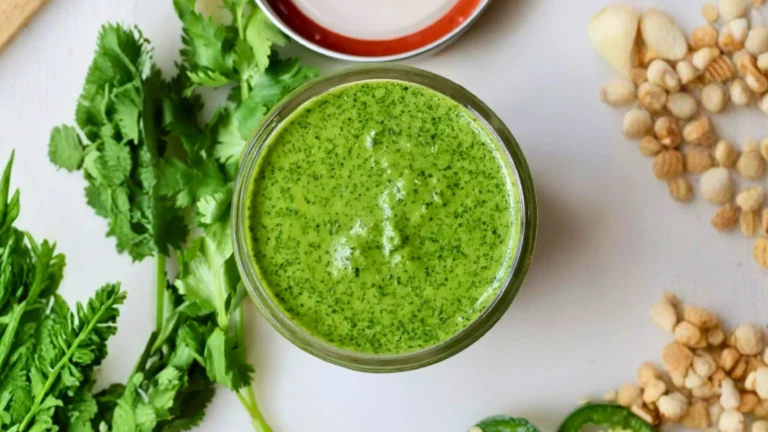

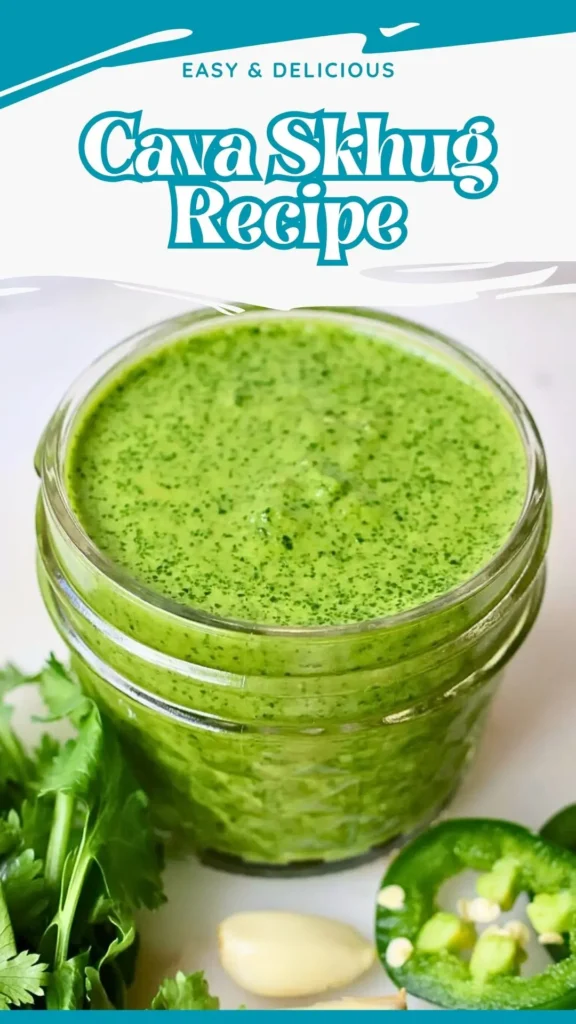
That vibrant green skhug sauce drizzled over a Cava bowl delivers a bold, fresh heat that’s hard to forget. This copycat Cava skhug recipe recreates the same punchy flavor at home, letting you adjust the spice while keeping its signature herbaceous bite.
Rooted in Yemeni cuisine, Yemeni skhug also known as zhoug sauce or zhug sauce is a fiery cilantro-based condiment that has become a Mediterranean fast-casual favorite.
Blended with fresh herbs, citrus, garlic, and warming spices, this skhug sauce cava recipe transforms everyday meals into crave-worthy bites and comes together in just minutes.
What Does Skhug Taste Like?
What is skhug Cava, exactly? It’s an explosion of fresh, bright flavors with serious heat. Imagine a cross between salsa verde and chimichurri, but with Middle Eastern flair.
The skhug cava sauce delivers intense cilantro freshness upfront, followed by citrusy lime brightness that cuts through rich foods.
The green chilies bring a clean, vegetal heat (yes, is Cava skhug spicy absolutely!), while garlic adds savory depth.
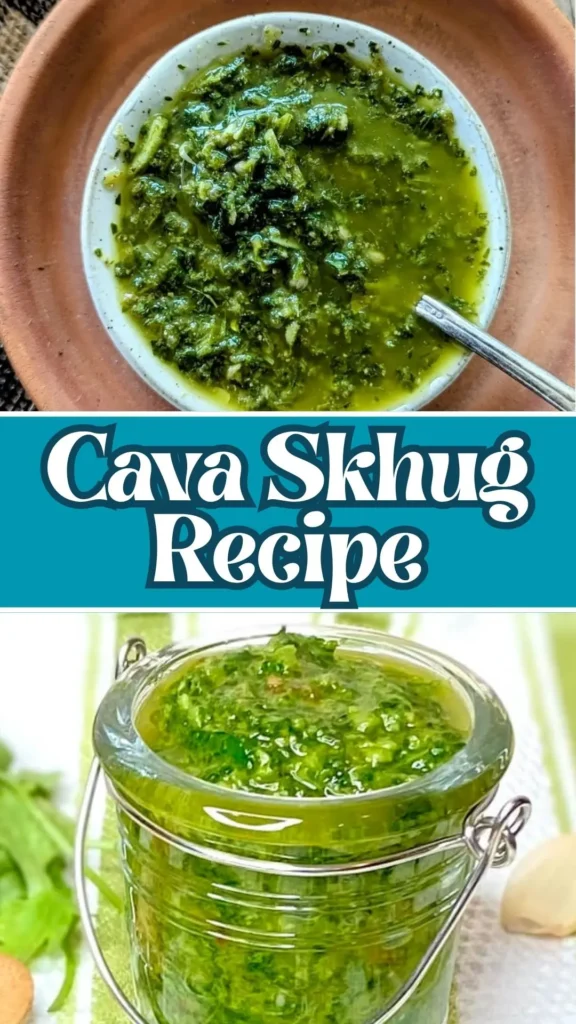
Hawaiij spice blend contributes warm, slightly sweet notes of cardamom and cumin. The texture is chunky yet saucy, with enough olive oil to make it drizzle-worthy but not greasy.
Cava Skhug Recipe Ingredients You’ll Need
For the Skhug Sauce:
- 1 large bunch fresh coriander/cilantro (leaves and stems, about 2-3 cups packed)
- 2-4 green chilies (jalapeño, serrano, or Thai chilies depending on heat preference)
- 3 cloves confit garlic (or 2 cloves raw garlic)
- Juice of 2 limes (about 3-4 tablespoons)
- 1 teaspoon Hawaiij spice blend (or substitute with toasted cumin seeds)
- ¾ teaspoon salt (or to taste)
- ¼-⅓ cup olive oil (combination of regular and garlic-infused oil if available)
Kitchen Utensils:
- Small food processor or high-powered blender
- Chef’s knife and cutting board
- Citrus juicer or reamer
- Measuring spoons
- Glass jar with lid for storage
- Rubber spatula
Preparation and Cooking Time
Prep Time: 10 minutes
Cook Time: 5 minutes (no cooking required)
Total Time: 15 minutes
Servings: Makes approximately 1 cup (16 servings of 1 tablespoon each)
Cava Skhug Recipe Instructions
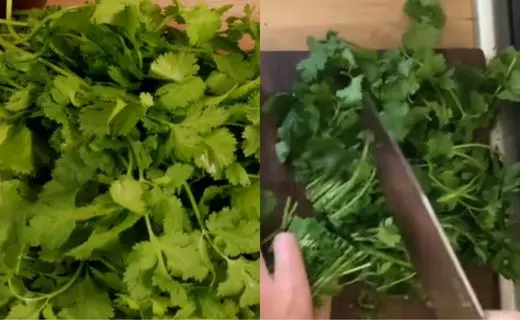
Step 1: Prepare your cilantro by giving it a good wash and rough chop. Don’t waste time picking leaves the stems contain incredible flavor for your skhug recipe. Chop into 2-inch pieces.
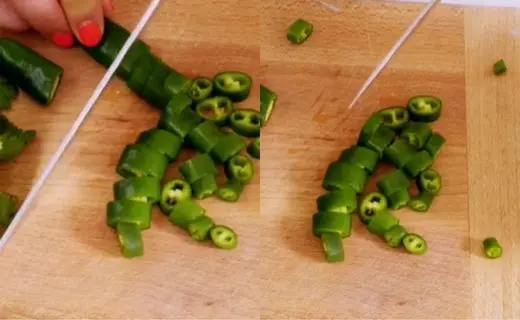
Step 2: Prep your green chilies by removing the stems. For milder skhug sauce Cava style, slice chilies open and scrape out seeds. For authentic heat, keep those seeds intact.
Step 3: Add chopped cilantro and chilies to your food processor. Pulse 3-4 times just to break down the herbs you’re not making baby food here.
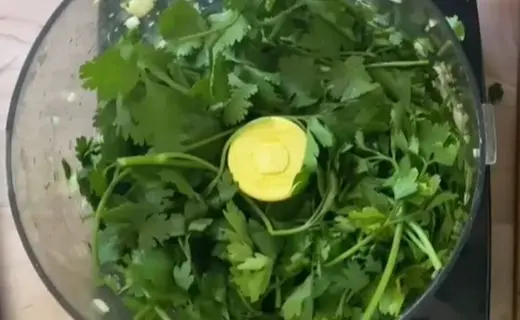
Step 4: Add 1 teaspoon Hawaiij spice blend (or toasted, lightly crushed cumin seeds). This is what separates zhoug sauce from regular cilantro sauce.
Step 5: Squeeze in the lime juice (roll limes on the counter first for maximum juice extraction). Drop in your 3 confit garlic cloves or 2 raw garlic cloves.
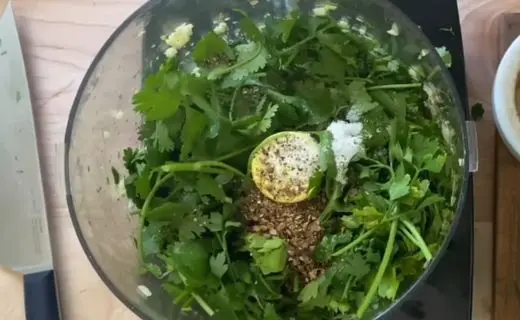
Step 6: Season generously with salt start with ¾ teaspoon. Salt is crucial for bringing out all the flavors in this skhug recipe Cava version.
Step 7: Drizzle in olive oil gradually. If you have garlic oil from confit garlic, use about 1 tablespoon of it mixed with regular olive oil. Start with ¼ cup total.
Step 8: Pulse 5-8 times until you achieve a chunky, salsa verde-like consistency. The zhoug sauce recipe should have visible herb pieces, not be smooth.
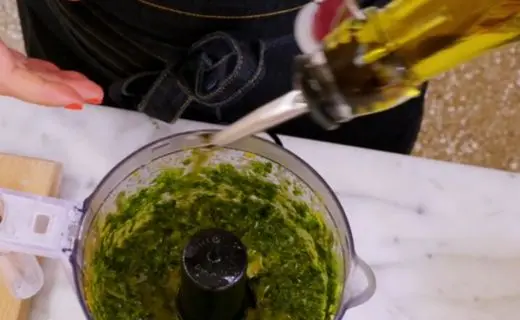
Step 9: Check the texture. If it’s too thick to drizzle, add another tablespoon or two of olive oil and pulse once more.
Step 10: Taste and adjust. Need more tang? Add lime. More depth? Add salt. More fire? Stir in chili flakes or a dash of cayenne.
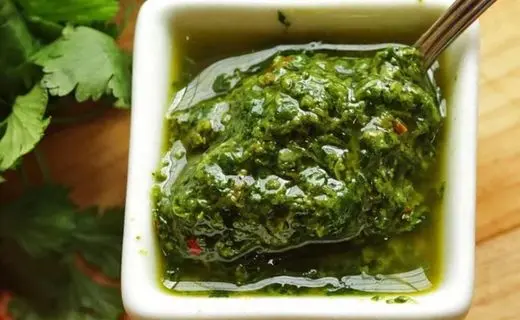
Step 11: Transfer your finished skhug sauce to a clean glass jar, top with a thin layer of olive oil to preserve freshness, and refrigerate.
Delicious Customization and Pairing Ideas
1. Protein Power Bowls: The classic zhoug sauce uses include drizzling over grilled chicken, lamb kofta, falafel, or shawarma. The bright acidity cuts through fatty meats beautifully while the heat enhances savory flavors. Build your own Cava-style bowl at home with your choice of protein, rice or greens, hummus, and a generous drizzle of this skhug Cava sauce.
2. Roasted Vegetable Upgrade: Transform humble roasted cauliflower, carrots, sweet potatoes, or Brussels sprouts into restaurant-worthy sides. Toss vegetables with olive oil, roast until caramelized, then finish with skhug for a flavor explosion that’ll convert vegetable skeptics.
3. Breakfast Game-Changer: Middle Eastern breakfasts feature zhoug sauce prominently. Dollop it over shakshuka, scrambled eggs, breakfast burritos, or avocado toast. The herbaceous kick pairs surprisingly well with creamy eggs and transforms your morning routine.
4. Sandwich and Wrap Spread: Replace boring mayo or mustard with this skhug recipe in sandwiches, wraps, and pitas. It’s exceptional in lamb gyros, chicken shawarma wraps, grilled veggie paninis, or even as a spread on your burger bun.
5. Seafood Enhancer: The citrus-forward profile makes skhug a natural partner for seafood. Use it as a sauce for grilled fish, shrimp tacos, fish sandwiches, or as a dipping sauce for crispy calamari. The clean heat complements delicate fish without overpowering.
6. Grain Bowl Base: Mix a spoonful into cooked quinoa, couscous, farro, or rice to create an instant flavor foundation. This technique is perfect for meal prep the grains absorb the sauce’s oils and become incredibly flavorful rather than dry.
7. Pizza and Flatbread Drizzle: Think beyond tomato sauce. Drizzle skhug sauce Cava style over finished pizzas, especially those with lamb, chicken, or vegetables. It also works brilliantly as a dipping sauce for warm pita, naan, or focaccia bread.
Expert Tips for Perfect Skhug Every Time
1. Don’t Skip the Stems
Cilantro stems are flavor powerhouses often discarded unnecessarily. They contain the same essential oils as the leaves but with even more concentrated flavor. For the best copycat Cava skhug recipe, use the entire bunch just trim off the very bottom root ends. The stems also add body to the sauce without requiring extra oil.
2. Control Your Heat Level
It can be as mild or fiery as you prefer. Jalapeños provide moderate heat perfect for most palates. Serrano chilies kick it up a notch, while Thai bird chilies create authentic Yemeni fire. Always start with fewer chilies you can add more, but you can’t take heat away. Removing seeds and membranes reduces heat by approximately 50-70%.
3. Confit Garlic Makes a Difference
While raw garlic works, confit garlic (slowly cooked in oil) provides mellow, sweet garlic flavor without the harsh bite. The infused oil doubles as your sauce’s oil component, adding extra depth. Make a batch by covering peeled garlic cloves with olive oil and baking at 250°F for 45 minutes. Store in the fridge for multiple skhug recipe batches.
4. Toast Your Cumin for Maximum Impact
If substituting Hawaiij with cumin seeds, toasting is non-negotiable. Heat a dry skillet over medium heat, add cumin seeds, and toast for 2-3 minutes until fragrant. Let cool slightly, then crush lightly with a mortar and pestle or the back of a spoon. This technique releases essential oils that make your zhoug sauce recipe taste professionally made.
5. Texture Matters Don’t Over-Process
The biggest mistake in making skhug sauce is over-blending into a smooth paste. Authentic zhoug has texture you should see distinct cilantro pieces suspended in the oily base, similar to Italian salsa verde or Argentine chimichurri. Pulse in short bursts and check frequently. Over-processed skhug becomes bitter as the food processor bruises the herbs.
6. Salt Generously and Thoughtfully
Salt doesn’t just season it draws out the herbs’ essential oils and brightens the lime juice. Under-salted skhug tastes flat and one-dimensional. Start with ¾ teaspoon, but the final amount depends on how you’ll use it. If serving over already-seasoned food, go lighter. As a marinade or dipping sauce, be more generous.
7. Let It Rest Before Serving
Freshly made skhug Cava is good, but rested skhug is exceptional. If time permits, refrigerate for 30 minutes to 2 hours before serving. This resting period allows flavors to marry the lime mellows slightly, the garlic infuses throughout, and the spices bloom. The sauce also thickens slightly as the cilantro releases moisture.
Storage and Reheating Guidance
Store your skhug recipe Cava creation in an airtight glass jar in the refrigerator for up to 2 weeks. Pour a thin layer of olive oil on top before sealing to prevent oxidation and preserve that vibrant green color. No reheating necessary serve cold or at room temperature.
Common Questions About Skhug Sauce
Here, we’ve got you covered with some common questions about the Cava Skhug Recipe that people often ask.
What is the difference between skhug and zhoug?
They’re the same thing! Skhug (also spelled schug, zhug, or zhoug) is simply different transliterations of the Yemeni Arabic word. Zhoug sauce and skhug refer to the identical fiery green cilantro condiment that’s a staple in Yemeni and Israeli cuisine.
Can I make skhug without a food processor?
Absolutely! Traditional methods use a mortar and pestle, creating a rustic, chunky texture. Alternatively, finely mince all ingredients with a sharp chef’s knife, then mix with oil in a bowl. The result takes longer but delivers authentic texture. A high-powered blender also works just pulse carefully to avoid over-processing.
How can I make my skhug less spicy after it’s made?
If your skhug sauce Cava turned out too fiery, balance the heat by adding more cilantro, lime juice, or olive oil to dilute the chili intensity. A pinch of sugar can also tame excessive heat. For serving, mix skhug with plain Greek yogurt, tahini, or sour cream to create a milder creamy version.
What is Hawaiij and where can I find it?
Hawaiij is a traditional Yemeni spice blend containing cumin, black pepper, cardamom, turmeric, and sometimes coriander. Find it at Middle Eastern grocery stores, specialty spice shops, or online. If unavailable, the toasted cumin substitute works excellently in this skhug recipe, though you’ll miss the subtle cardamom warmth.
Why did my skhug turn brown instead of staying green?
Oxidation causes browning when herbs are exposed to air. Prevent this by: 1) Not over-processing (which bruises herbs), 2) Storing with an oil layer on top, 3) Using an airtight container, and 4) Adding a squeeze of extra lime juice (vitamin C prevents oxidation). Brown skhug is still delicious just less visually appealing.
Can I freeze skhug sauce for longer storage?
Yes! Freeze zhoug sauce in ice cube trays, then transfer frozen cubes to a freezer bag. Each cube equals about 1 tablespoon perfect for single servings. Frozen skhug maintains quality for 3-4 months. The texture may be slightly more liquid after thawing, but flavor remains excellent. Don’t refreeze after thawing.
Is skhug the same as chimichurri or salsa verde?
While all three are herb-based oil sauces, they’re distinct. Chimichurri uses parsley and oregano with red wine vinegar. Salsa verde uses parsley with capers and anchovies. Skhug sauce is cilantro-forward with Middle Eastern spices and citrus. Each has unique flavor profiles suited to different cuisines.
What other herbs can I use if I don’t like cilantro?
For cilantro-haters (it’s genetic!), try flat-leaf parsley for a milder version, though the result won’t technically be skhug. A 50/50 mix of parsley and mint creates an interesting variation. Some recipes include small amounts of fresh mint or dill alongside cilantro for complexity experiment with 1-2 tablespoons.
Does Cava use green or red skhug?
Cava restaurants feature green skhug made with cilantro and green chilies. Red skhug (made with red chilies and sometimes tomatoes) exists in Yemeni cuisine but isn’t typically offered at Cava. This copycat Cava skhug recipe replicates their popular green version.
Can I make skhug oil-free or with less oil?
For a lighter version, reduce oil and add water, vegetable broth, or more citrus juice for consistency. The sauce won’t preserve as long (oil acts as a preservative), so use within 4-5 days. The texture will be thinner and more sauce-like than traditional oil-rich skhug.
What’s the best way to use leftover skhug?
Beyond the obvious uses, try these creative applications: stir into mayonnaise for spicy aioli, mix with butter for compound herb butter, blend into salad dressings, use as a marinade for meats, swirl into soups as a finishing garnish, or mix into mashed avocado for next-level guacamole. Zhoug sauce uses are practically limitless once you start experimenting.
Cava Skhug Recipe
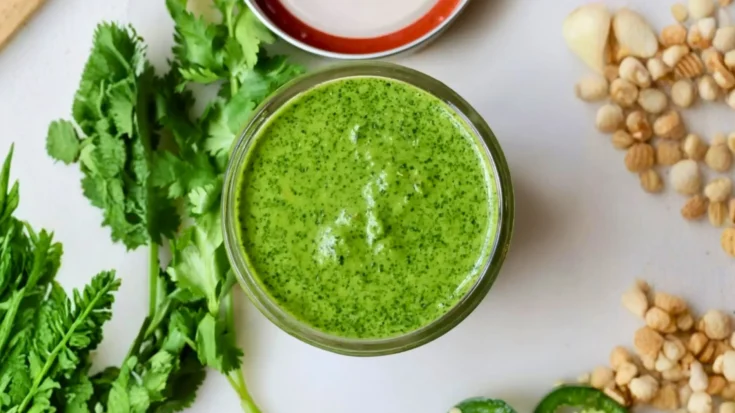
That vibrant green skhug sauce drizzled over a Cava bowl delivers a bold, fresh heat that’s hard to forget. This copycat Cava skhug recipe recreates the same punchy flavor at home, letting you adjust the spice while keeping its signature herbaceous bite.
Ingredients
- 1 large bunch fresh coriander/cilantro (leaves and stems, about 2-3 cups packed)
- 2-4 green chilies (jalapeño, serrano, or Thai chilies depending on heat preference)
- 3 cloves confit garlic (or 2 cloves raw garlic)
- Juice of 2 limes (about 3-4 tablespoons)
- 1 teaspoon Hawaiij spice blend (or substitute with toasted cumin seeds)
- ¾ teaspoon salt (or to taste)
- ¼-⅓ cup olive oil (combination of regular and garlic-infused oil if available)
Instructions
Step 1: Prepare your cilantro by giving it a good wash and rough chop. Don’t waste time picking leaves the stems contain incredible flavor for your skhug recipe. Chop into 2-inch pieces.
Step 2: Prep your green chilies by removing the stems. For milder skhug sauce Cava style, slice chilies open and scrape out seeds. For authentic heat, keep those seeds intact.
Step 3: Add chopped cilantro and chilies to your food processor. Pulse 3-4 times just to break down the herbs you’re not making baby food here.
Step 4: Add 1 teaspoon Hawaiij spice blend (or toasted, lightly crushed cumin seeds). This is what separates zhoug sauce from regular cilantro sauce.
Step 5: Squeeze in the lime juice (roll limes on the counter first for maximum juice extraction). Drop in your 3 confit garlic cloves or 2 raw garlic cloves.
Step 6: Season generously with salt start with ¾ teaspoon. Salt is crucial for bringing out all the flavors in this skhug recipe Cava version.
Step 7: Drizzle in olive oil gradually. If you have garlic oil from confit garlic, use about 1 tablespoon of it mixed with regular olive oil. Start with ¼ cup total.
Step 8: Pulse 5-8 times until you achieve a chunky, salsa verde-like consistency. The zhoug sauce recipe should have visible herb pieces, not be smooth.
Step 9: Check the texture. If it’s too thick to drizzle, add another tablespoon or two of olive oil and pulse once more.
Step 10: Taste and adjust. Need more tang? Add lime. More depth? Add salt. More fire? Stir in chili flakes or a dash of cayenne.
Step 11: Transfer your finished skhug sauce to a clean glass jar, top with a thin layer of olive oil to preserve freshness, and refrigerate.
Notes
Store your skhug recipe Cava creation in an airtight glass jar in the refrigerator for up to 2 weeks. Pour a thin layer of olive oil on top before sealing to prevent oxidation and preserve that vibrant green color. No reheating necessary serve cold or at room temperature.
Nutrition Information:
Yield:
6Serving Size:
1Amount Per Serving: Calories: 40
Whether you’re building grain bowls, elevating grilled meats, or simply looking for that perfect zhoug sauce, this vibrant green treasure delivers every time. Store a jar in your fridge and watch it transform everyday meals!
If you enjoyed this recipe, be sure to save it and share it with friends. Don’t forget to follow us on Pinterest and YouTube for more cozy and comfort recipes.