
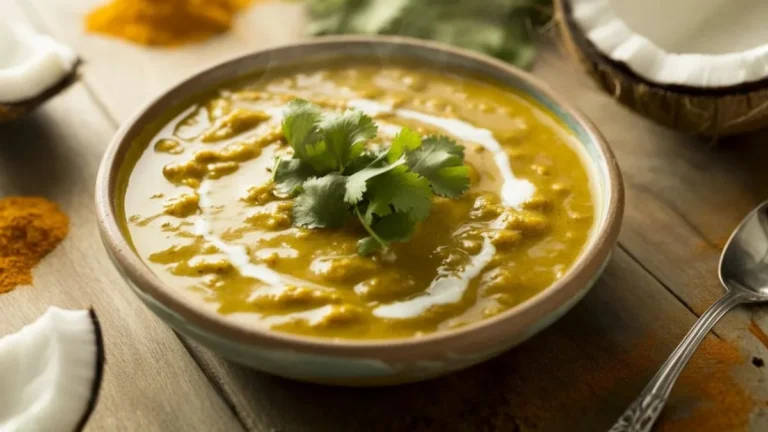

There’s something absolutely transformative about a homemade coconut curry sauce simmering on your stovetop. Unlike store-bought versions loaded with preservatives, this simple coconut curry sauce recipe comes together in just minutes using pantry staples and delivers restaurant-quality flavor.
Whether you’re wondering how to make curry sauce from scratch or looking for a versatile condiment to elevate weeknight dinners, this curry sauce with coconut milk is your answer.
The aromatic blend of bloomed spices, creamy coconut, and bright citrus creates a sauce that’s luxurious yet effortless-perfect for drizzling over everything from grilled chicken, Spicy chicken bites, and thai coconut lime chicken to roasted vegetables, or even adding a creative twist alongside cinnamon roll french toast for a sweet-savory fusion experience.
What Does It Taste Like?
This 5 minute curry sauce delivers layers of complex flavor in every spoonful. The initial taste is warm and earthy from the curry powder, cumin, and turmeric, followed by rich, velvety coconut cream that coats your palate.
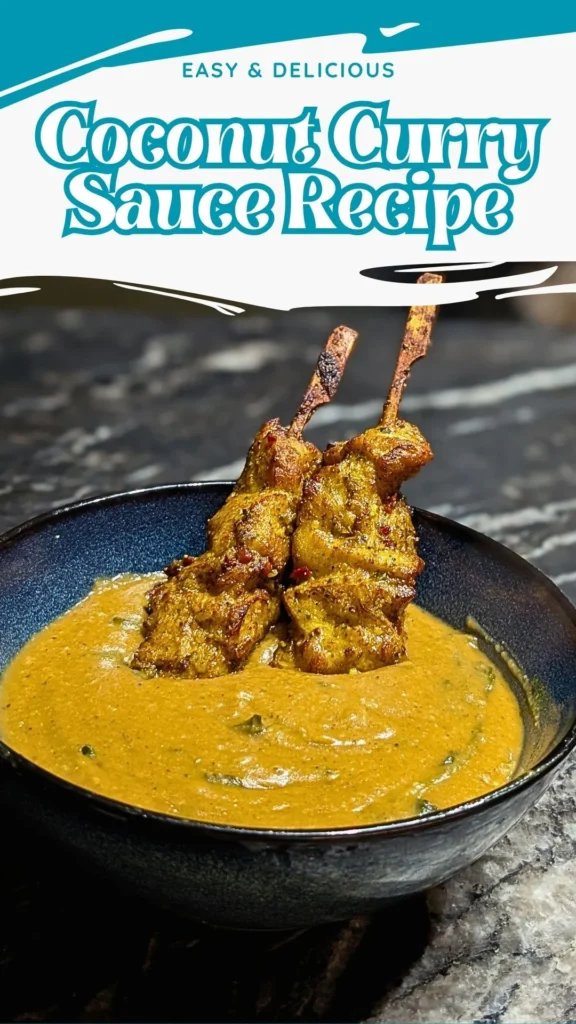
Fresh ginger adds a subtle heat and zing, while garlic provides savory depth. The lime juice brightens everything with citrusy tang, and soy sauce introduces umami richness that balances the natural sweetness from coconut milk and sugar.
Together, these elements create a harmonious sauce that’s creamy, aromatic, slightly sweet, tangy, and utterly addictive.
Coconut Curry Sauce Ingredients You’ll Need
For the Sauce:
- 2 tablespoons (15 ml) coconut oil (or any neutral oil like vegetable or canola)
- 2 tablespoons minced fresh ginger
- 2 tablespoons curry powder
- ½ tablespoon ground cumin
- ½ tablespoon ground turmeric
- 4 garlic cloves, minced
- 1 can (13.5 oz / 400 ml) full-fat coconut milk
- 2 teaspoons granulated white sugar
- 1 tablespoon (15 ml) freshly squeezed lime juice
- 2 tablespoons (30 ml) soy sauce (low sodium recommended)
Optional Add-Ins:
- Red pepper flakes or cayenne pepper (for additional heat)
Kitchen Utensils
- Medium saucepan
- Wooden spoon or silicone spatula
- Measuring spoons
- Can opener
- Fine-mesh strainer (optional, for smooth sauce)
- Citrus juicer or reamer
Preparation and Cooking Time
- Prep Time: 3 minutes
- Cook Time: 10-12 minutes
- Total Time: 13-15 minutes
- Servings: Makes approximately 2 cups (enough for 4-6 servings)
How to Make Coconut Curry Sauce: Step-by-Step Coconut Curry Sauce Recipe Instructions
Step 1: Bloom the Spices
Place a saucepan over medium heat and add 2 tablespoons of coconut oil. Once the oil shimmers and becomes hot (about 1 minute), add the minced ginger, curry powder, cumin, and turmeric.
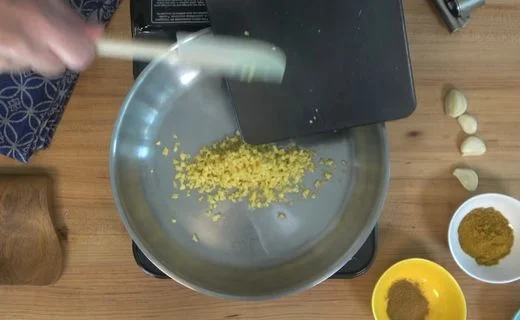
Bloom the spices by frying them in the oil for about 30 seconds, stirring frequently. This crucial step releases the essential oils and awakens the aromatic compounds.
Step 2: Add the Garlic
Add the 4 minced garlic cloves to the fragrant spice mixture. Cook for another 20-30 seconds, stirring constantly to prevent burning.
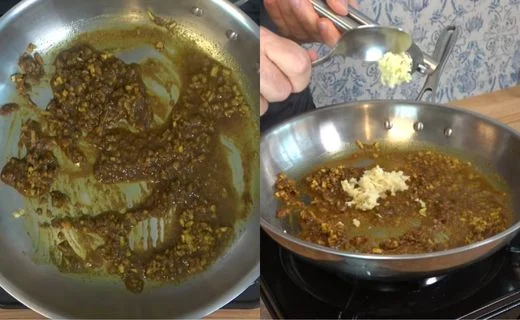
The garlic should become fragrant but not browned.
Step 3: Incorporate Coconut Milk
Pour in the entire can of coconut milk (make sure to shake the can first to combine the cream and liquid).
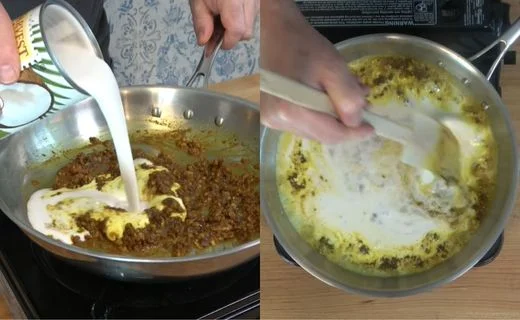
Use a spatula to scrape the sides and bottom of the pan thoroughly, ensuring the curry spice mixture is well incorporated into the coconut milk.
Step 4: Sweeten and Simmer
Add 2 teaspoons of granulated sugar and stir well to dissolve. Bring the sauce to a gentle simmer over medium-high heat, then immediately reduce the heat to low.
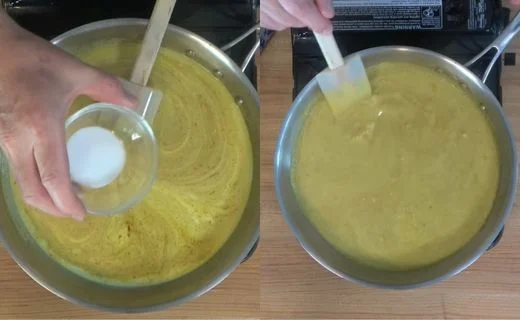
Let it simmer gently for 8-10 minutes, stirring occasionally, until the sauce thickens to your desired consistency.
Step 5: Finish with Brightness
Remove the saucepan from the heat. Stir in 1 tablespoon of freshly squeezed lime juice and 2 tablespoons of soy sauce.
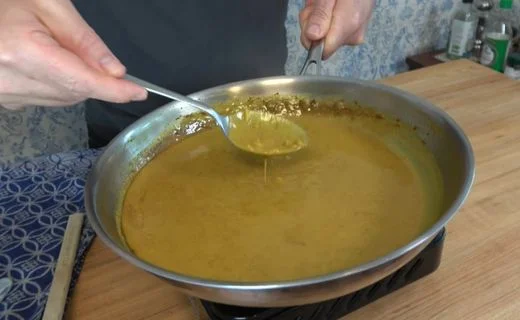
Mix thoroughly to combine all the finishing flavors.
Step 6: Adjust Texture (Optional)
For a chunky sauce with texture, leave the garlic and ginger pieces in for rustic appeal. For a smooth, restaurant-style sauce, strain the mixture through a fine-mesh strainer into a clean container, pressing gently to extract all the flavorful liquid.
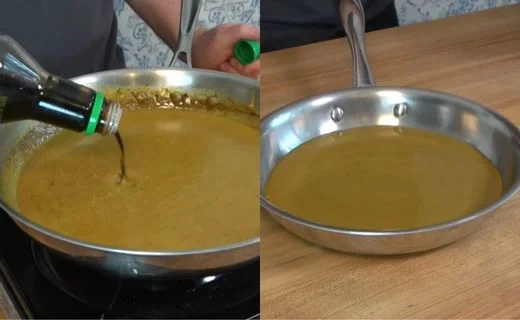
Your homemade coconut curry sauce is now ready to transform any dish!
Customization and Pairing Ideas for Serving
1. Protein Perfection
This curry sauce with coconut milk is exceptional with proteins. Drizzle it over pan-seared chicken breasts, grilled shrimp, baked salmon, or crispy tofu. For meal prep, toss cubed chicken thighs in the sauce and simmer until cooked through for an instant curry bowl. The creamy sauce also works beautifully with hard-boiled eggs for a quick vegetarian option.
2. Grain Bowl Magic
Transform plain grains into flavor-packed meals by spooning this sauce over jasmine rice, basmati rice, quinoa, or cauliflower rice. Add roasted chickpeas, steamed broccoli, and a sprinkle of sesame seeds for a complete Buddha bowl that’s both nutritious and satisfying.
3. Vegetable Coating
Use this simple coconut curry sauce recipe as a glaze for roasted vegetables. It’s phenomenal with sweet potatoes, Brussels sprouts, bell peppers, green beans, or carrots. Toss vegetables in the sauce before roasting, or drizzle it over after cooking for a restaurant-quality side dish.
4. Noodle Night Upgrade
Turn this into a quick curry noodle dish by tossing it with rice noodles, udon, soba, or even spaghetti. Add vegetables and your choice of protein for a fusion dinner that comes together faster than takeout.
5. Dipping Sauce Delight
Serve this 5 minute curry sauce as a dipping sauce for spring rolls, samosas, pakoras, grilled chicken skewers, or crispy wontons. The creamy, spiced profile complements fried and grilled appetizers beautifully.
6. Soup Base Transformation
Thin the sauce with vegetable or chicken broth to create an instant curry soup base. Add noodles, vegetables, and protein for a comforting bowl that tastes like you spent hours on it.
7. Pizza and Flatbread Twist
Swap traditional tomato sauce for this coconut curry sauce on naan pizza or flatbreads. Top with mozzarella, red onions, bell peppers, and cilantro for a fusion creation that’ll impress anyone.
Essential Tips for Perfect Coconut Curry Sauce
1. Don’t Skip the Blooming Step
Blooming spices in hot oil is non-negotiable when learning how to make curry sauce properly. This 30-second step releases aromatic oils trapped in the dried spices, multiplying their flavor exponentially. If you add spices directly to liquid, they’ll taste raw and chalky rather than warm and complex.
2. Use Full-Fat Coconut Milk
Light or reduced-fat coconut milk won’t deliver the same luxurious, creamy texture. Full-fat coconut milk contains the natural oils and fats that create that silky mouthfeel and help the sauce cling to ingredients beautifully. Always shake the can before opening to redistribute the separated cream.
3. Control the Heat Level
This base recipe is mild, making it family-friendly. To add heat, start conservatively with ⅛ teaspoon of cayenne or red pepper flakes, taste, and adjust. You can always add more heat, but you can’t remove it. For a Thai-inspired kick, add a teaspoon of Thai red curry paste along with the spices.
4. Fresh vs. Jarred Ingredients Matter
While jarred minced ginger and garlic are convenient, fresh varieties provide significantly brighter, more vibrant flavor. The difference is especially noticeable in a simple coconut curry sauce recipe with minimal ingredients where each component shines. Invest two extra minutes in mincing fresh aromatics for noticeably better results.
5. Simmer, Don’t Boil
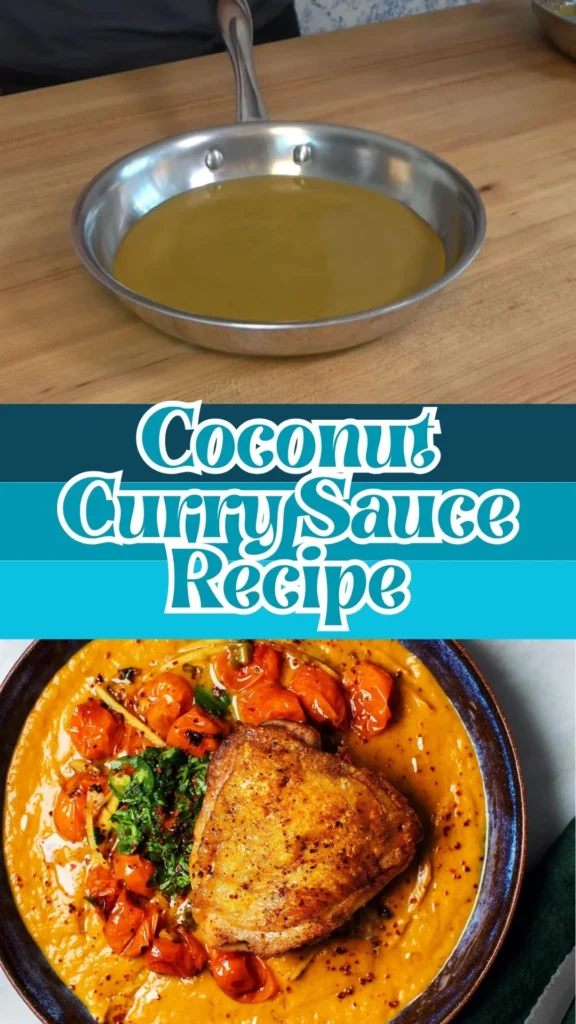
When making this curry sauce with coconut milk, maintaining a gentle simmer (tiny bubbles around the edges) rather than a rolling boil prevents the coconut milk from breaking and separating. High heat can cause the fats to split from the liquid, creating an oily, curdled appearance instead of a smooth, unified sauce.
6. Taste and Adjust Before Serving
Curry powders vary wildly between brands in terms of spice level, salt content, and flavor profile. Always taste your finished sauce and adjust with extra lime juice for brightness, soy sauce for saltiness, sugar for sweetness, or curry powder for more depth. This personalization makes your sauce uniquely perfect.
7. Make It Ahead for Deeper Flavor
Like many sauces, this 5 minute curry sauce tastes even better after resting. The flavors meld and deepen when allowed to sit for 30 minutes or overnight in the refrigerator. If making ahead, add the lime juice just before serving to preserve its bright, fresh quality rather than letting it cook into the sauce.
Storage and Reheating Guidance
Store leftover coconut curry sauce in an airtight container in the refrigerator for up to 5 days. For longer storage, freeze in portion-sized containers or ice cube trays for up to 3 months. Reheat gently on the stovetop over low heat or in the microwave in 30-second intervals, stirring between each, until warmed through.
Common Queries and FAQs
Your guide to frequently asked Coconut Curry Sauce Recipe questions and answers.
Can I make this coconut curry sauce spicier?
Absolutely! Add ¼-½ teaspoon of cayenne pepper, red pepper flakes, or fresh minced Thai chilies when blooming the spices. You can also stir in sriracha, sambal oelek, or your favorite hot sauce at the end for controllable heat.
What type of curry powder works best for this recipe?
Any curry powder works, but Madras curry powder provides a more robust, authentic flavor with moderate heat. Yellow curry powder is milder and sweeter, while garam masala creates a warmer, more aromatic profile. Experiment to find your favorite.
Can I substitute coconut milk with another milk?
While coconut milk is essential for authentic flavor and creamy texture, you can use cashew cream or heavy cream in a pinch. However, these substitutions will significantly alter the taste-losing that characteristic tropical coconut note that makes this sauce special.
Is this coconut curry sauce gluten-free?
It can be! Simply use tamari or coconut aminos instead of regular soy sauce, which often contains wheat. Check your curry powder label as well-most are gluten-free, but some blends may contain wheat-based fillers.
How do I make the sauce thicker?
Simmer longer to reduce and concentrate the sauce, or add 1 teaspoon of cornstarch mixed with 1 tablespoon of cold water (called a slurry). Stir the slurry into the simmering sauce and cook for 2 more minutes until thickened.
Can I make this sauce without oil?
Yes, though the texture and flavor depth will be slightly different. Use 2-3 tablespoons of vegetable broth or water to sauté the aromatics and spices. The coconut milk contains natural fats, so the sauce will still have body, just less richness from the blooming process.
What’s the best way to use leftover curry sauce?
Beyond the obvious uses over rice and protein, stir it into scrambled eggs, use it as a marinade for grilled vegetables, mix it into mashed potatoes or cauliflower, toss it with pasta, spread it on sandwiches, or use it as a base for quick weeknight stir-fries.
Can I double or triple this recipe?
Definitely! This simple coconut curry sauce recipe scales beautifully. Just use a larger saucepan to accommodate the increased volume and extend the simmering time by a few minutes to achieve the desired thickness. The blooming times remain the same.
Why does my sauce look separated or oily?
This happens when the sauce boils too vigorously or cooks at too high a temperature, causing the coconut milk fats to separate. Reduce heat immediately and whisk vigorously. Adding a tablespoon of cold coconut milk while whisking can help re-emulsify the sauce.
What dishes pair best with coconut curry sauce?
This versatile sauce complements grilled chicken, shrimp curry, paneer tikka, roasted cauliflower, lentil dal, chickpea curry, salmon fillets, turkey meatballs, pork tenderloin, and virtually any vegetable stir-fry. It’s also phenomenal over baked potatoes or sweet potatoes.
Can I use this as a marinade?
While you can marinate proteins in this sauce, reserve some unused sauce for serving since the marinade will contain raw meat juices. For best results, marinate chicken, shrimp, or tofu for 30 minutes to 2 hours before cooking.
Is fresh lime juice necessary, or can I use bottled?
Fresh lime juice is strongly recommended for the brightest, most vibrant citrus flavor. Bottled lime juice often tastes flat and slightly bitter. If you must substitute, use fresh lemon juice instead-it’s closer in flavor than bottled lime.
How can I make this sauce sweeter or less sweet?
Adjust the sugar to taste. For a sweeter sauce (great for kids), increase to 1 tablespoon. For less sweetness, reduce to 1 teaspoon or omit entirely-the natural sugars in coconut milk provide subtle sweetness. Honey or maple syrup can replace white sugar for different flavor profiles.
Coconut Curry Sauce Recipe
There’s something absolutely transformative about a homemade coconut curry sauce simmering on your stovetop. Unlike store-bought versions loaded with preservatives, this simple coconut curry sauce recipe comes together in just minutes using pantry staples and delivers restaurant-quality flavor. Whether you’re wondering how to make curry sauce from scratch or looking for a versatile condiment to elevate weeknight dinners, this curry sauce with coconut milk is your answer.
Ingredients
- 2 tablespoons (15 ml) coconut oil
- 2 tablespoons minced fresh ginger
- 2 tablespoons curry powder
- ½ tablespoon ground cumin
- ½ tablespoon ground turmeric
- 4 garlic cloves, minced
- 1 can (13.5 oz / 400 ml) full-fat coconut milk
- 2 teaspoons granulated white sugar
- 1 tablespoon (15 ml) freshly squeezed lime juice
- 2 tablespoons (30 ml) soy sauce
- Red pepper flakes or cayenne pepper
Instructions
Step 1: Bloom the Spices
Place a saucepan over medium heat and add 2 tablespoons of coconut oil. Once the oil shimmers and becomes hot (about 1 minute), add the minced ginger, curry powder, cumin, and turmeric. Bloom the spices by frying them in the oil for about 30 seconds, stirring frequently. This crucial step releases the essential oils and awakens the aromatic compounds.
Step 2: Add the Garlic
Add the 4 minced garlic cloves to the fragrant spice mixture. Cook for another 20-30 seconds, stirring constantly to prevent burning. The garlic should become fragrant but not browned.
Step 3: Incorporate Coconut Milk
Pour in the entire can of coconut milk (make sure to shake the can first to combine the cream and liquid). Use a spatula to scrape the sides and bottom of the pan thoroughly, ensuring the curry spice mixture is well incorporated into the coconut milk.
Step 4: Sweeten and Simmer
Add 2 teaspoons of granulated sugar and stir well to dissolve. Bring the sauce to a gentle simmer over medium-high heat, then immediately reduce the heat to low. Let it simmer gently for 8-10 minutes, stirring occasionally, until the sauce thickens to your desired consistency.
Step 5: Finish with Brightness
Remove the saucepan from the heat. Stir in 1 tablespoon of freshly squeezed lime juice and 2 tablespoons of soy sauce. Mix thoroughly to combine all the finishing flavors.
Step 6: Adjust Texture (Optional)
For a chunky sauce with texture, leave the garlic and ginger pieces in for rustic appeal. For a smooth, restaurant-style sauce, strain the mixture through a fine-mesh strainer into a clean container, pressing gently to extract all the flavorful liquid. Your homemade coconut curry sauce is now ready to transform any dish!
Notes
Store leftover coconut curry sauce in an airtight container in the refrigerator for up to 5 days. For longer storage, freeze in portion-sized containers or ice cube trays for up to 3 months. Reheat gently on the stovetop over low heat or in the microwave in 30-second intervals, stirring between each, until warmed through.
Nutrition Information:
Yield:
10Serving Size:
1Amount Per Serving: Calories: 70
This coconut curry sauce recipe proves that extraordinary flavor doesn’t require complicated techniques or hours of cooking. In just 15 minutes with simple ingredients, you’ve created a versatile, restaurant-quality sauce that elevates everything it touches. Whether you’re meal-prepping for the week, impressing dinner guests, or simply craving something comforting and delicious, this 5 minute curry sauce delivers every time.
The beauty of learning how to make curry sauce from scratch is the endless customization-make it your own, experiment with heat levels and additions, and enjoy the satisfaction of homemade flavor.
If you enjoyed this recipe, be sure to save it and share it with friends. Don’t forget to follow us on Pinterest and YouTube for more cozy and comfort recipes.