
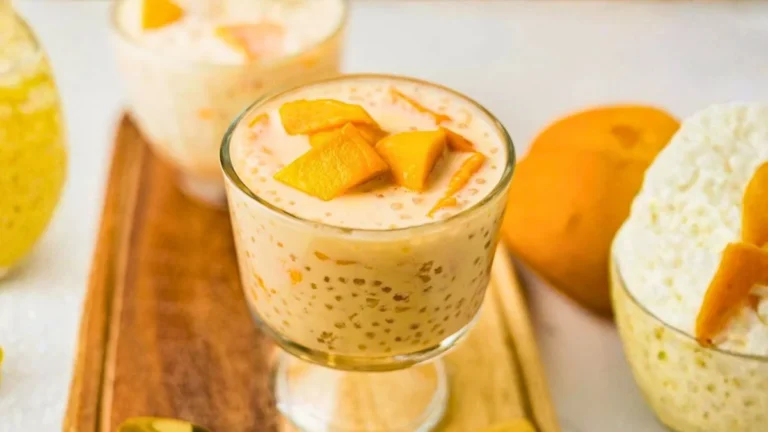

There’s something magical about biting into a ripe, golden mango on a sweltering summer day. Now imagine that same tropical sweetness transformed into a creamy, chewy, utterly irresistible dessert that requires zero baking.
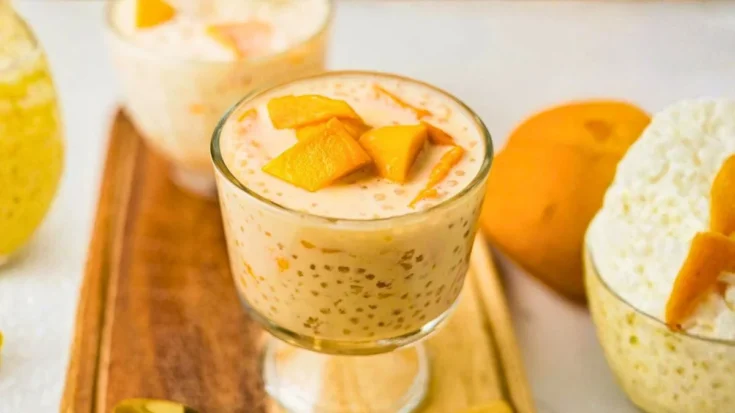
That’s exactly what this simple mango bango recipe delivers! This Filipino-inspired mango sago dessert combines velvety mango puree, silky coconut milk, chewy tapioca pearls, and bouncy coconut jelly into one spectacular mango bango drink that walks the delicious line between beverage and dessert.
Whether you’re craving a cool treat after dinner or need an impressive dish for your next potluck, learning how to make mango bango recipe will become your new warm-weather superpower.
What Does Mango Bango Taste Like?
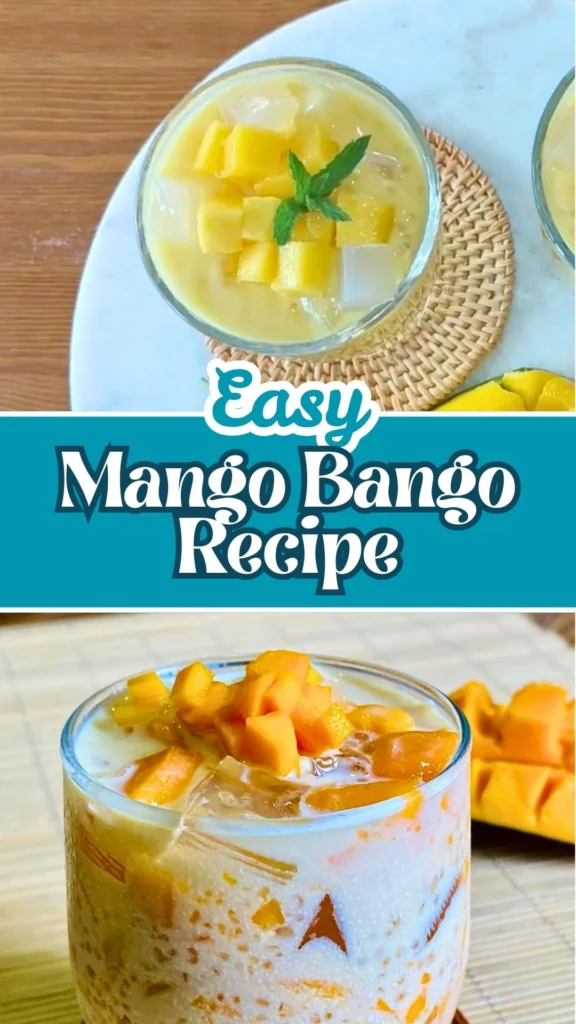
Imagine spooning into a cloud of tropical paradise! The mango sago recipe with condensed milk offers a beautiful harmony of flavors and textures.
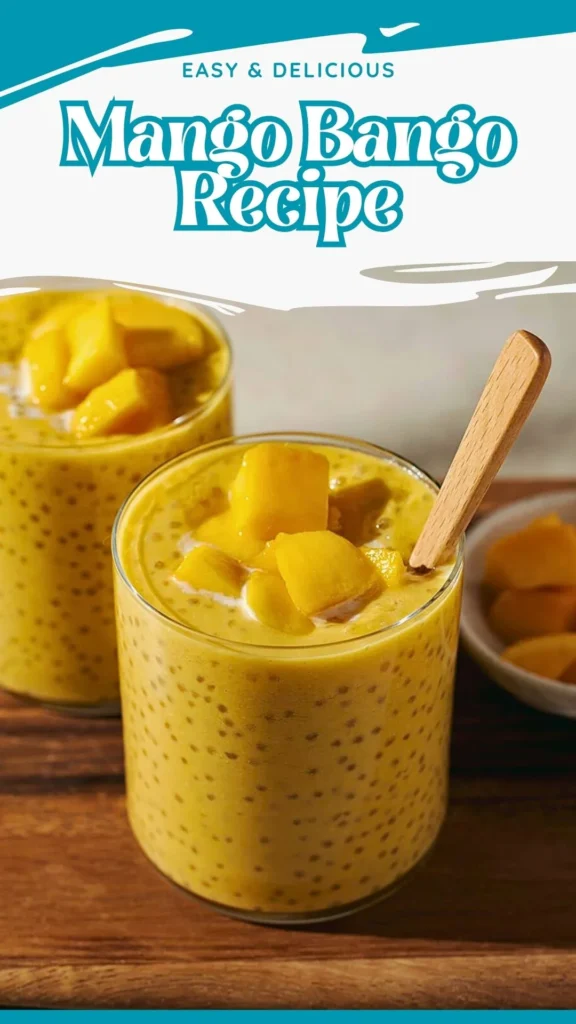
The dominant taste is the natural sweetness of ripe mango-fruity, slightly tangy, and intensely tropical. Creamy coconut milk adds richness and a subtle nutty undertone, while condensed milk provides just the right amount of sweetness without being cloying.
The tapioca pearls (sago) contribute delightful chewiness, and the nata de coco adds refreshing bursts of soft, jelly-like texture. It’s sweet but not overpowering, creamy yet light, and each spoonful delivers a multi-textured experience that keeps you coming back for more.
Mango Bango Recipe Ingredients You’ll Need
Mango Bango Ingredients:
- 1 ripe big mango (makes about 1 cup mango puree)
- 1/4 cup creamy coconut milk
- 1 tablespoon condensed milk
- 1/2 cup tapioca pearls (sago, cooked)
- 1/2 cup nata de coco (coconut jelly)
Kitchen Utensils:
- Blender or fork (for mashing mango)
- Medium pot (for cooking tapioca pearls)
- Strainer or colander
- Mixing bowl
- Spoon or whisk
- Measuring cups and spoons
- Serving glasses or bowls
Preparation and Cooking Time
Prep Time: 10 minutes
Cooking Time: 15 minutes (for tapioca pearls)
Chilling Time: 2-3 hours
Total Time: Approximately 2 hours 25 minutes
Servings: 2-3 servings
Mango Bango Recipe Instructions
Step 1: Prepare the Mango Puree
Peel your ripe mango and remove the flesh from the pit. Cut into chunks and add to a blender. Blend until completely smooth to create approximately 1 cup of silky mango puree.
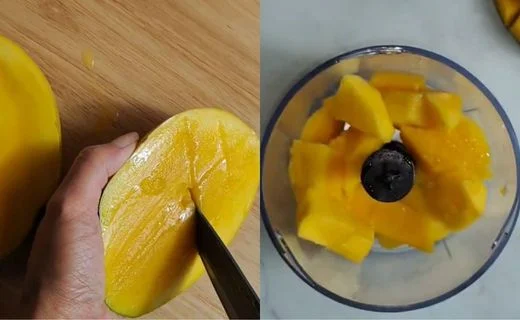
Alternatively, mash thoroughly with a fork for a more rustic texture. Set aside in a large mixing bowl.
Step 2: Cook the Tapioca Pearls (Sago)
If your tapioca pearls aren’t pre-cooked, bring a medium pot of water to a rolling boil. Add the tapioca pearls and stir occasionally to prevent sticking.
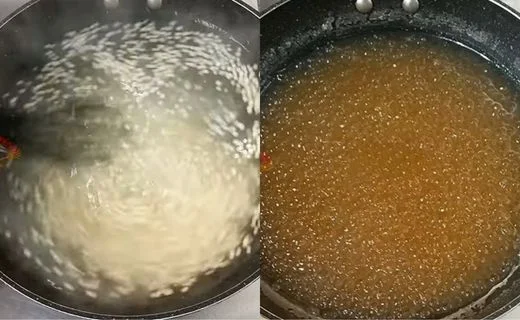
Cook for 10-15 minutes until the pearls turn translucent with no white center remaining. Drain immediately and rinse under cold running water to stop the cooking process and remove excess starch. Set aside.
Step 3: Prepare the Nata de Coco
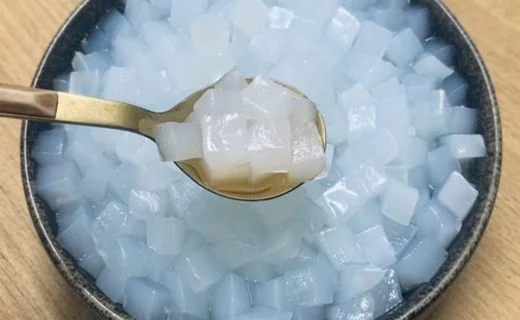
Open your jar or package of nata de coco and drain any syrup completely using a strainer. Rinse briefly if desired for less sweetness. The coconut jelly should be ready to use.
Step 4: Combine All Ingredients
In your mixing bowl with the mango puree, add the creamy coconut milk and condensed milk. Whisk or stir until the mixture becomes uniform and creamy.
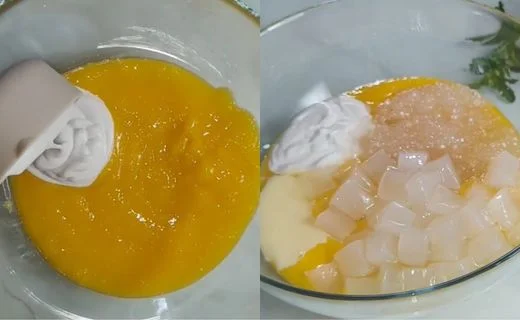
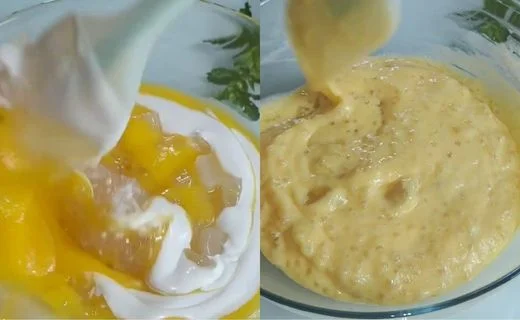
Fold in the cooked tapioca pearls and drained nata de coco gently, ensuring even distribution throughout.
Step 5: Chill and Let Flavors Meld
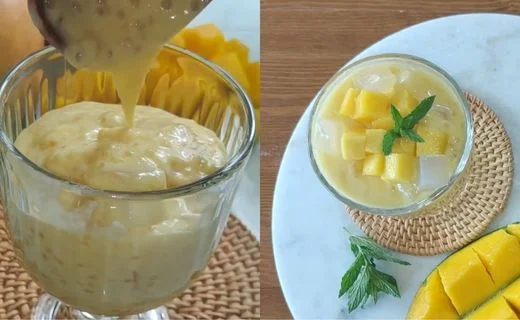
Cover the bowl with plastic wrap or transfer the mango bango drink mixture to individual serving glasses. Refrigerate for at least 2-3 hours, or until completely chilled.
This resting time allows the flavors to marry beautifully and achieves that refreshing, cold texture that makes this dessert so irresistible.
Step 6: Serve and Enjoy
Give your chilled mango sago Filipino dessert a gentle stir before serving. Spoon into bowls or glasses, and enjoy immediately while cold!
Customization and Pairing for Serving Ideas
1. Extra Mango Chunks for Texture
Reserve some diced fresh mango cubes and fold them into the dessert just before serving. This adds delightful bursts of fresh fruit texture alongside the smooth puree, creating a more dynamic eating experience.
2. Tropical Fruit Medley
Transform your mango sago dessert into a tropical fruit paradise by adding diced pineapple, lychee, or jackfruit. These complement the mango beautifully while adding color and variety to every spoonful.
3. Make It a Parfait
Layer your mango bango mixture with crushed graham crackers, vanilla wafers, or coconut macaroons in tall glasses. This creates an Instagram-worthy presentation perfect for parties and gatherings.
4. Sweet Mango Finale
After enjoying a hearty tri tip sandwich, serve this Mango Bango Recipe as a refreshing tropical dessert. Its creamy mango sweetness lightens the meal and provides a cool, fruity contrast.
5. Coconut Cream Topping
Float a dollop of whipped coconut cream or regular whipped cream on top just before serving. Garnish with toasted coconut flakes or a mint sprig for an elegant finish that elevates this simple dessert.
6. Spicy Wings Balance
Follow crispy ponderosa chicken wings with a chilled Mango Bango Recipe for a perfect flavor balance. The smooth mango dessert cools spicy notes and refreshes the palate after every savory bite.
7. Boba Tea Twist
Swap the traditional sago for larger black tapioca boba pearls to create a drink-meets-dessert hybrid. Add extra coconut milk to thin the consistency, and serve with wide boba straws for a trendy bubble tea experience.
8. Southern Comfort Finish
Complete a comforting meal of louisiana red beans and rice with the Mango Bango Recipe. The bright mango flavor adds a light, fruity ending that gently balances rich Southern spices.
9. Pairing with Filipino Favorites
Serve your mango bango recipe alongside other Filipino desserts like turon (banana spring rolls), bibingka (rice cake), or leche flan for a complete tropical dessert spread that celebrates Filipino cuisine.
10. Ice Cream Float Version
Add a scoop of vanilla or coconut ice cream to individual servings for an indulgent float-style treat. The melting ice cream creates an extra creamy texture that’s absolutely divine on hot summer days.
Essential Tips for Perfect Mango Bango
1. Choose the Right Mango Variety
The success of this simple mango bango recipe depends heavily on using ripe, flavorful mangoes. Philippine mangoes (Manila or Carabao varieties) offer the best sweetness and texture, but Ataulfo, Kent, or Haden varieties work wonderfully too. Your mango should yield slightly to gentle pressure and smell fragrant at the stem end.
2. Don’t Overcook Your Tapioca Pearls
Perfect sago should be translucent throughout with a pleasantly chewy texture-not mushy or hard. Test one pearl before draining by cutting it in half; there should be no white core. Rinsing with cold water immediately after cooking prevents clumping and stops the cooking process.
3. Adjust Sweetness to Your Preference
Every mango has different natural sweetness levels. Start with the recommended 1 tablespoon of condensed milk, taste your mixture, and adjust accordingly. You can always add more condensed milk or even a touch of honey or agave nectar if needed.
4. Use Full-Fat Coconut Milk for Creaminess
Light coconut milk will work in a pinch, but full-fat creamy coconut milk provides the luxurious, velvety texture that makes this mango sago recipe with condensed milk so satisfying. Shake the can well before opening to ensure the cream and liquid are properly mixed.
5. Temperature Matters
This dessert absolutely must be served cold to achieve its refreshing character. If you’re short on time, place your mixture in the freezer for 30-45 minutes, stirring every 15 minutes to prevent freezing. The chilling process also helps the tapioca pearls absorb the flavors.
6. Prep Components Ahead
You can cook your tapioca pearls up to 2 days in advance-just store them submerged in simple syrup (equal parts sugar and water) in the refrigerator to prevent hardening. The mango puree can also be prepared a day ahead and refrigerated.
7. Experiment with Texture Consistency
Some prefer their mango bango drink thick and spoonable like a pudding, while others enjoy it thinner and more beverage-like. Control consistency by adjusting the amount of coconut milk-add more for a drinkable version, or keep it as-is for a dessert that requires a spoon.
Storage and Reheating Guidance
Store your mango sago Filipino dessert in an airtight container in the refrigerator for up to 2-3 days. The tapioca pearls will gradually absorb liquid and become softer over time. No reheating necessary-this tropical treat is meant to be enjoyed cold! Stir gently before serving leftovers.
Common Questions About Mango Bango Recipe
Common Mango Bango Recipe questions answered to help you understand it better.
What is mango bango made of?
Mango bango is a Filipino-inspired tropical dessert made from fresh mango puree, creamy coconut milk, sweetened condensed milk, chewy tapioca pearls (sago), and nata de coco (coconut jelly). It’s a no-bake, refreshing treat that combines multiple textures into one delicious bowl.
Can I use frozen mango instead of fresh?
Absolutely! Frozen mango chunks work perfectly for this recipe. Thaw them completely first, then blend into a smooth puree. You may need to drain excess liquid if the thawed mango is very watery. The flavor will be slightly less vibrant than fresh ripe mango, but still delicious.
Where can I buy tapioca pearls and nata de coco?
Both ingredients are readily available at Asian grocery stores, particularly in the Filipino or Thai sections. You can also find them online through retailers like Amazon. Tapioca pearls come in small (sago) or large (boba) sizes-either works for this recipe.
Is mango bango the same as mango sago?
They’re very similar! Mango sago is the traditional name for this Filipino dessert, while “mango bango” is a playful, catchy variation of the name. Both refer to the same type of dessert featuring mango, coconut milk, and tapioca pearls.
Can I make this recipe dairy-free?
Yes! The recipe is already naturally dairy-free if you use coconut condensed milk instead of regular condensed milk. Many brands now offer coconut-based condensed milk that works perfectly. Everything else in the recipe is already plant-based.
How do I know when my tapioca pearls are cooked properly?
Properly cooked tapioca pearls should be completely translucent with no white center when cut in half. They should have a tender, chewy texture-not hard or mushy. Cooking time varies by pearl size, but typically takes 10-15 minutes at a rolling boil.
Can I use coconut cream instead of coconut milk?
Yes, but coconut cream is much thicker and richer than coconut milk. If using coconut cream, thin it out with a little water or use less than the recipe calls for to prevent your dessert from becoming too heavy and rich.
What can I substitute for nata de coco?
If you can’t find nata de coco, try using lychee jelly, grass jelly, aloe vera cubes, or even small cubes of firm gelatin. For a fruit-forward version, add fresh chunks of mango, pineapple, or coconut meat instead.
Why is my mango bango too watery?
Excess water typically comes from not draining the tapioca pearls well enough after cooking, or from very juicy mangoes. Next time, ensure you drain and rinse the pearls thoroughly, and reduce the coconut milk slightly if your mango puree is particularly thin.
Can I make this dessert ahead of time for a party?
Definitely! This mango sago dessert actually benefits from being made several hours ahead, allowing flavors to meld. Prepare it up to 24 hours in advance and keep refrigerated. The tapioca pearls will soften over time, so if serving the next day, you might want to add freshly cooked pearls for optimal texture.
Is this recipe suitable for kids?
Absolutely! This tropical dessert is kid-friendly with no raw ingredients, caffeine, or common allergens (though always check individual sensitivities to coconut). Children love the fun, chewy texture of tapioca pearls and bouncy coconut jelly. You can adjust sweetness to suit younger palates.
Can I turn this into a smoothie or drink?
Yes! Simply add more coconut milk or regular milk to thin the consistency, blend everything except the tapioca pearls and nata de coco, then stir those in afterward for texture. Serve over ice with a wide straw for a refreshing mango bango drink version.
Mango Bango Recipe
There’s something magical about biting into a ripe, golden mango on a sweltering summer day. Now imagine that same tropical sweetness transformed into a creamy, chewy, utterly irresistible dessert that requires zero baking. That’s exactly what this simple mango bango recipe delivers! This Filipino-inspired mango sago dessert combines velvety mango puree, silky coconut milk, chewy tapioca pearls, and bouncy coconut jelly into one spectacular mango bango drink that walks the delicious line between beverage and dessert.
Ingredients
- 1 ripe big mango (makes about 1 cup mango puree)
- 1/4 cup creamy coconut milk
- 1 tablespoon condensed milk
- 1/2 cup tapioca pearls
- 1/2 cup nata de coco (coconut jelly)
Instructions
Step 1: Prepare the Mango Puree
Peel your ripe mango and remove the flesh from the pit. Cut into chunks and add to a blender. Blend until completely smooth to create approximately 1 cup of silky mango puree. Alternatively, mash thoroughly with a fork for a more rustic texture. Set aside in a large mixing bowl.
Step 2: Cook the Tapioca Pearls (Sago)
If your tapioca pearls aren’t pre-cooked, bring a medium pot of water to a rolling boil. Add the tapioca pearls and stir occasionally to prevent sticking. Cook for 10-15 minutes until the pearls turn translucent with no white center remaining. Drain immediately and rinse under cold running water to stop the cooking process and remove excess starch. Set aside.
Step 3: Prepare the Nata de Coco
Open your jar or package of nata de coco and drain any syrup completely using a strainer. Rinse briefly if desired for less sweetness. The coconut jelly should be ready to use.
Step 4: Combine All Ingredients
In your mixing bowl with the mango puree, add the creamy coconut milk and condensed milk. Whisk or stir until the mixture becomes uniform and creamy. Fold in the cooked tapioca pearls and drained nata de coco gently, ensuring even distribution throughout.
Step 5: Chill and Let Flavors Meld
Cover the bowl with plastic wrap or transfer the mango bango drink mixture to individual serving glasses. Refrigerate for at least 2-3 hours, or until completely chilled. This resting time allows the flavors to marry beautifully and achieves that refreshing, cold texture that makes this dessert so irresistible.
Step 6: Serve and Enjoy
Give your chilled mango sago Filipino dessert a gentle stir before serving. Spoon into bowls or glasses, and enjoy immediately while cold!
Notes
Store your mango sago Filipino dessert in an airtight container in the refrigerator for up to 2-3 days. The tapioca pearls will gradually absorb liquid and become softer over time. No reheating necessary-this tropical treat is meant to be enjoyed cold! Stir gently before serving leftovers.
Nutrition Information:
Yield:
8Serving Size:
1Amount Per Serving: Calories: 100
This mango bango recipe is proof that the best desserts don’t need to be complicated. With just five simple ingredients and minimal effort, you’ve created a stunning tropical treat that captures the essence of Filipino cuisine and summer refreshment in every spoonful.
The beauty of how to make mango bango recipe lies in its versatility-enjoy it as an afternoon snack, elegant dinner party finale, or cooling beverage on scorching days. Now that you’ve mastered this simple mango bango recipe, don’t keep it to yourself! Share this delightful mango sago dessert with family and friends, and watch their faces light up with that first creamy, fruity, chewy bite.
If you enjoyed this recipe, be sure to save it and share it with friends. Don’t forget to follow us on Pinterest and YouTube for more cozy and comfort recipes.