
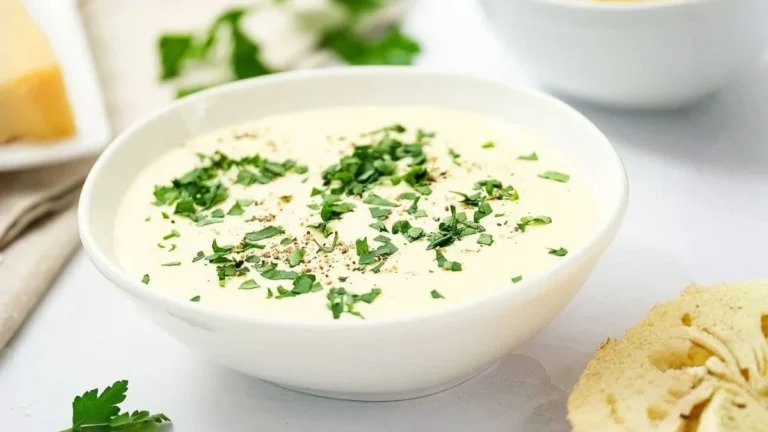

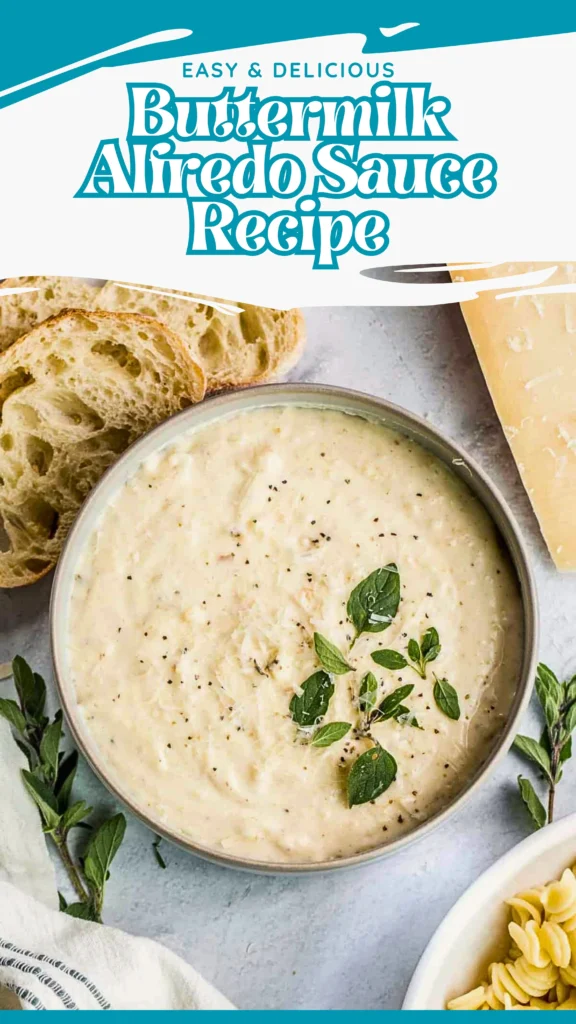
There’s something magical about a velvety alfredo sauce that clings to every strand of pasta, and when you add buttermilk to the mix, you’re in for a delightful surprise.
This homemade buttermilk alfredo sauce recipe transforms the classic Italian favorite into something extraordinary lighter, tangier, and incredibly flavorful. Whether you’re craving comfort food on a busy weeknight or planning an impressive dinner, learning how to make alfredo sauce with buttermilk will become your secret weapon.
The subtle tang from buttermilk balances the richness of cream and parmesan, creating a sauce that’s luxurious yet refreshingly bright. Ready to discover the best alfredo sauce recipe you’ll ever make?
What Does Buttermilk Alfredo Sauce Taste Like?
Buttermilk alfredo sauce delivers a gorgeous balance of rich, creamy, and subtly tangy flavors that dance on your palate.
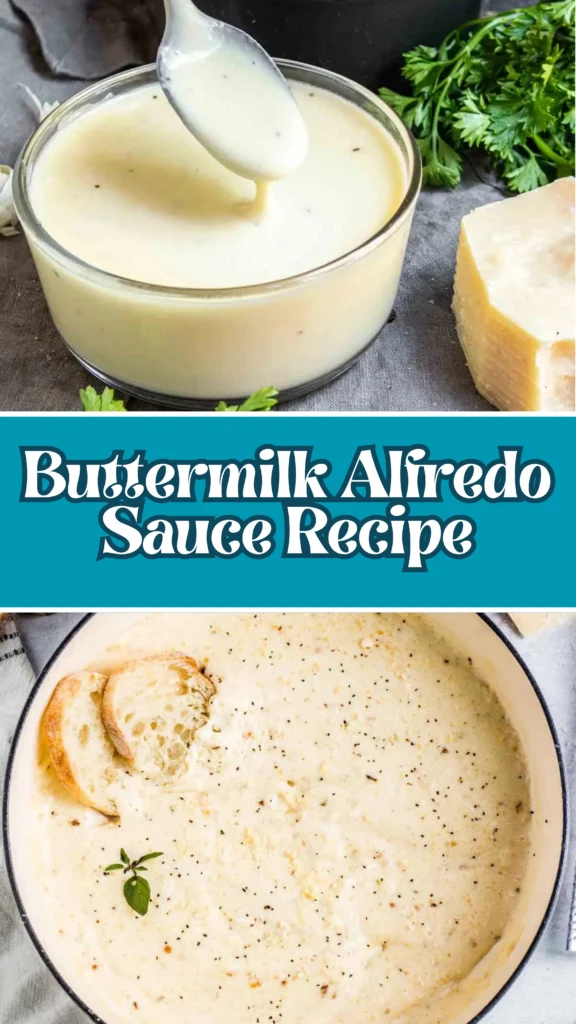
The cultured buttermilk adds a gentle acidity that cuts through the heaviness of traditional alfredo, making each bite feel lighter and more complex. You’ll taste the nutty, salty notes of aged Parmesan Reggiano mingling with buttery smoothness, while the buttermilk provides a pleasant zing similar to sour cream but more refined.
The garlic adds aromatic depth, and white pepper contributes a delicate warmth without overpowering heat. Unlike standard heavy cream alfredo that can feel one-dimensional, this alfredo sauce with buttermilk offers layers of flavor it’s indulgent yet bright, comforting yet sophisticated.
Buttermilk Alfredo Sauce Recipe Ingredients You’ll Need
For the Buttermilk Alfredo Sauce:
- 4 tablespoons unsalted butter (about 57 grams)
- 4-6 cloves fresh garlic, minced and smashed
- 1 cup heavy cream (250 ml)
- ½ cup buttermilk (125 ml)
- 1½ cups freshly grated Parmesan Reggiano cheese (80 grams)
- ¼ teaspoon white pepper
- Salt to taste (start with a small pinch)
Serving:
- 1 pound fettuccine, tagliatelle, or pappardelle pasta
- Fresh parsley for garnish (optional)
Optional Add-ins:
- Cooked chicken breast, grilled shrimp, steamed broccoli, sautéed mushrooms, sun-dried tomatoes, or crispy pancetta
Kitchen Utensils You’ll Need
- Large pot for boiling pasta
- High-sided saucepan or deep skillet
- Whisk or wooden spoon
- Box grater or microplane for cheese
- Chef’s knife and cutting board
- Measuring cups and spoons
- Tongs or pasta fork
- Colander for draining pasta
Preparation and Cooking Time
- Prep Time: 10 minutes
- Cook Time: 15 minutes
- Total Time: 25 minutes
- Servings: 4-6 servings
- Difficulty Level: Easy
Buttermilk Alfredo Sauce Recipe Instructions
Step 1: Prepare Your Mise en Place
Begin by bringing a large pot of generously salted water to a rolling boil for your pasta. Meanwhile, finely grate the Parmesan Reggiano cheese using a box grater or microplane freshly grated cheese melts far better than pre-shredded varieties.
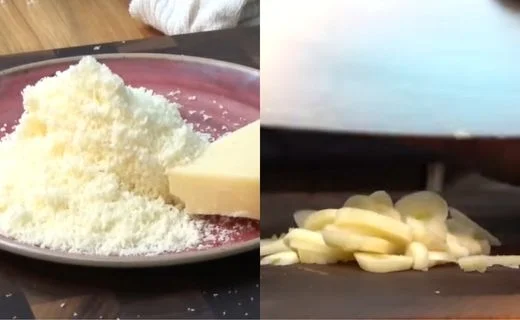
Mince your garlic cloves, then give them a good smash with the flat side of your knife to release their aromatic oils.
Step 2: Cook the Pasta
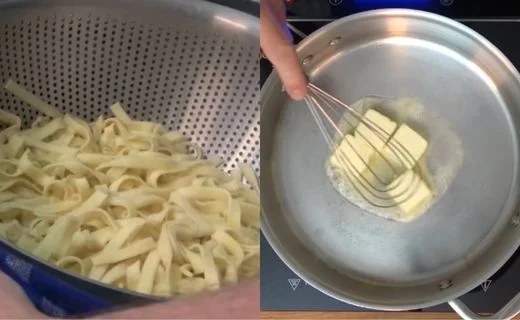
Once your water reaches a boil, add your fettuccine or chosen pasta and cook according to package directions until just al dente (usually 8-10 minutes). Reserve about 1 cup of starchy pasta water before draining this liquid gold will help adjust your sauce consistency later if needed.
Step 3: Start the Sauce Base
In a high-sided saucepan, melt the 4 tablespoons of butter over low to medium heat. Watch carefully to ensure the butter stays pale and doesn’t brown classic buttermilk alfredo should remain light in color. Add your minced and smashed garlic to the melted butter, stirring gently for 2-3 minutes until fragrant and just beginning to sizzle softly.
Step 4: Add the Cream
Pour in 1 cup of heavy cream, whisking to combine with the garlic butter. Keep the heat at low-medium and warm the mixture for 3-5 minutes, stirring occasionally. You want it steaming and hot enough to melt cheese, but never boiling high heat can cause cream to separate and create a grainy texture.
Step 5: Incorporate the Buttermilk
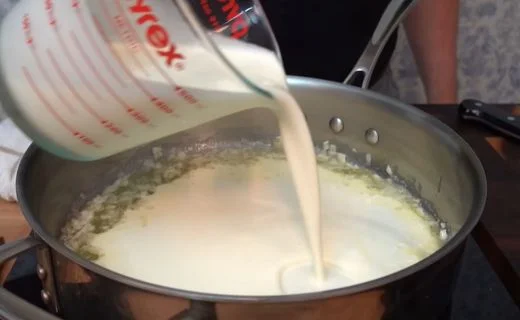
Slowly pour in the ½ cup buttermilk, whisking continuously to blend it smoothly with the cream base. The buttermilk adds that signature tang while maintaining the luxurious texture. Continue heating gently for another 2 minutes.
Step 6: Melt in the Parmesan
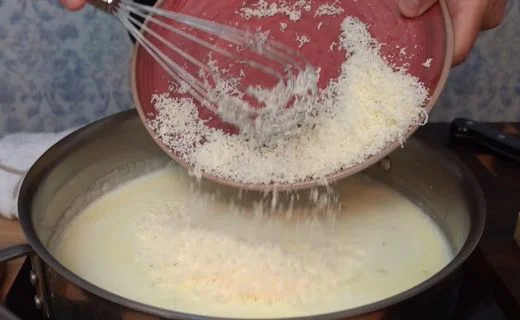
Reduce heat to low and gradually add your grated Parmesan cheese in small handfuls, whisking constantly after each addition. Patience is key here adding cheese too quickly or over high heat causes clumping. Continue whisking and cooking for 3-5 minutes until the homemade alfredo sauce thickens beautifully and coats the back of a spoon. When you run your finger through the sauce on the spoon, the line should hold this is called nape consistency.
Step 7: Season to Perfection
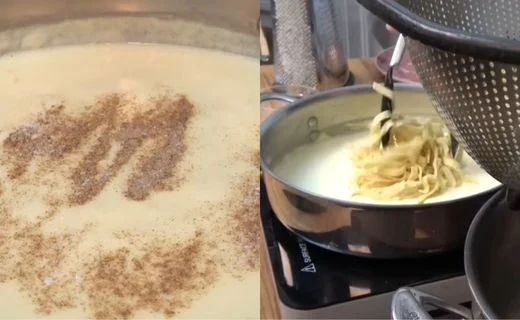
Add the ¼ teaspoon white pepper and a small pinch of salt. Taste your buttermilk alfredo sauce before adding more salt, as Parmesan is naturally salty. Adjust seasoning according to your preference, whisking well to distribute evenly.
Step 8: Marry Pasta and Sauce
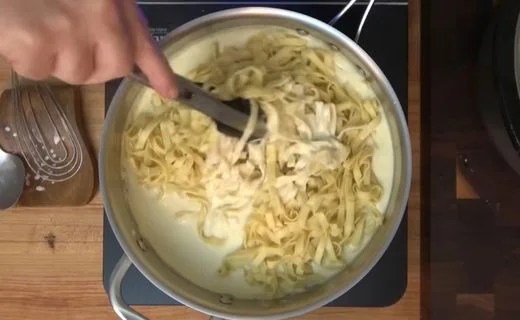
Add your drained al dente pasta directly into the sauce pan while still on low heat. Using tongs, toss and turn the noodles thoroughly to coat every strand. Let everything mingle together for 1-2 minutes so the pasta absorbs the flavors. If the sauce seems too thick, add reserved pasta water one tablespoon at a time until you reach desired consistency.
Step 9: Add Optional Ingredients
If you’re incorporating extras like grilled chicken, sautéed shrimp, or steamed broccoli, fold them in now and warm through for another minute.
Step 10: Serve Immediately
Transfer your gorgeous buttermilk alfredo to serving plates or bowls while piping hot. The sauce is at its creamiest when freshly made, so enjoy it right away for the ultimate experience.
Customization and Pairing Ideas for Serving
1. Classic Chicken Alfredo Elevation
Transform your buttermilk alfredo sauce into a complete meal by adding sliced, seasoned grilled chicken breast. Season chicken with Italian herbs, garlic powder, and paprika before grilling for maximum flavor. The tangy buttermilk sauce complements the savory chicken beautifully, while the contrast in textures tender chicken against silky noodles creates restaurant-quality satisfaction.
2. Seafood Lover’s Dream Can you use buttermilk to make alfredo sauce
For seafood? Absolutely! The buttermilk’s acidity brightens rich seafood perfectly. Toss in sautéed shrimp, pan-seared scallops, or even lump crab meat. Add a squeeze of fresh lemon juice and chopped parsley for a coastal Italian vibe that tastes like vacation on a plate.
3. Garden Vegetable Medley
Make your alfredo sauce with buttermilk more nutritious by folding in roasted or steamed vegetables. Broccoli florets, asparagus spears, cherry tomatoes, spinach, and mushrooms all work wonderfully. The vegetables add color, texture, and nutrients while the creamy sauce makes eating your greens absolutely irresistible.
4. Spicy Cajun Twist
Give your homemade buttermilk alfredo sauce recipe a Louisiana kick by adding Cajun-seasoned blackened chicken or shrimp. Sprinkle in a pinch of cayenne pepper, smoked paprika, and a dash of hot sauce to the finished sauce. The buttermilk’s tang plays beautifully with spicy seasonings, creating a fusion that’s both comforting and exciting.
5. Truffle Luxury Upgrade
Elevate your buttermilk alfredo to fine-dining status by drizzling truffle oil over the finished dish and shaving fresh truffle on top. The earthy, umami notes of truffle complement the tangy cream sauce magnificently. Pair with a crisp white wine like Pinot Grigio for an elegant dinner party centerpiece.
6. Bacon and Pea Carbonara Style
Borrow from carbonara by adding crispy pancetta or bacon bits and sweet green peas to your buttermilk sauce recipe. The smoky, salty pork contrasts with the tangy sauce, while peas add pops of sweetness and color. This combination creates a comfort food hybrid that satisfies every craving.
7. Zesty Lemon Herb Version
Brighten your best alfredo sauce recipe by adding fresh lemon zest, juice, and plenty of chopped fresh herbs like basil, parsley, or thyme. The citrus enhances the buttermilk’s natural tang while herbs add freshness and complexity. This lighter version is perfect for spring and summer dining when you want alfredo without feeling weighed down.
Expert Tips for Perfect Buttermilk Alfredo
1. Temperature Control Is Everything
The golden rule for any homemade alfredo sauce recipe is maintaining low to medium heat throughout cooking. High heat causes the cream proteins and cheese to separate, resulting in a grainy, broken sauce instead of silky perfection. When you add buttermilk, temperature control becomes even more critical since its acidity makes it more prone to curdling at high temperatures. Keep your burner dial below medium and exercise patience your creamy reward is worth the wait.
2. Always Use Freshly Grated Cheese
Pre-shredded Parmesan contains anti-caking agents like cellulose that prevent smooth melting and can make your buttermilk alfredo sauce grainy or clumpy. Invest in a block of authentic Parmigiano-Reggiano and grate it yourself just before cooking. The difference in texture and flavor is dramatic freshly grated cheese melts into liquid gold, creating that restaurant-quality glossy finish you’re after.
3. Don’t Skip the Pasta Water
That starchy, salty pasta cooking water is your secret weapon for perfect sauce consistency. Before draining your noodles, always reserve at least one cup. The starches in this water act as a natural emulsifier, helping bind the buttermilk and cream together while adjusting thickness. If your alfredo sauce with buttermilk becomes too thick, add pasta water one tablespoon at a time rather than plain water or more cream.
4. Add Cheese Gradually and Off Direct Heat
When incorporating Parmesan into your sauce, reduce heat to the lowest setting or even remove the pan from the burner entirely. Add cheese in small handfuls, whisking constantly until each addition fully melts before adding more. This method prevents clumping and ensures smooth integration. Rushing this step is the most common mistake when learning how to make alfredo sauce with buttermilk patience produces perfection.
5. Cook Pasta Slightly Underdone
Since your pasta will spend additional time cooking in the hot sauce during the final tossing step, pull it from the boiling water when it’s just shy of al dente. This prevents mushy, overcooked noodles and allows the pasta to absorb sauce flavors while finishing to perfect texture. For fettuccine, this usually means cooking for one minute less than package directions suggest.
6. Adjust Buttermilk Ratio to Taste
The beauty of this buttermilk alfredo sauce recipe is its flexibility. If you prefer a more traditional rich flavor with just a hint of tang, use ¼ cup buttermilk and 1¼ cups cream. For maximum tanginess and lighter texture, increase buttermilk to ¾ cup and reduce cream to ¾ cup. Experiment to find your perfect balance there’s no wrong answer when customizing your homemade buttermilk alfredo sauce.
7. Serve Immediately for Best Texture
Alfredo sauce, especially versions with buttermilk, doesn’t improve with sitting. The emulsion that creates creaminess begins breaking down as it cools, and reheating never quite restores the original silky texture. Time your cooking so the sauce finishes just as you’re ready to eat. If you must wait, keep it warm over the lowest possible heat, whisking occasionally and adding splashes of pasta water to maintain consistency.
Storage and Reheating Guidance
Store leftover buttermilk alfredo sauce in an airtight container in the refrigerator for up to 3 days. Reheat gently in a saucepan over low heat, whisking constantly and adding splashes of milk, cream, or pasta water to restore creaminess. Avoid microwaving if possible, as it can cause separation and uneven heating.
Common Queries and FAQs
Everything you need to know about Buttermilk Alfredo Sauce Recipe common questions answered.
Can you use buttermilk to make alfredo sauce instead of heavy cream?
Yes, you can create a lighter alfredo using primarily buttermilk, though the texture will be thinner and tangier. For best results, use a combination like in this recipe buttermilk adds wonderful flavor while heavy cream provides the rich, velvety body traditional alfredo lovers expect. Using only buttermilk requires adding a cornstarch slurry or roux to achieve proper thickness and sauce consistency.
Why does my buttermilk alfredo sauce separate or curdle?
Separation typically happens when buttermilk is heated too quickly or at too high a temperature. Buttermilk contains acids that can curdle when exposed to high heat. Always use low to medium heat and warm the sauce gradually. Additionally, adding cheese too quickly or boiling the sauce can cause proteins to seize up. Gentle heat and constant whisking are your best defenses against curdling.
Can I make buttermilk alfredo sauce ahead of time?
While homemade alfredo sauce tastes best freshly made, you can prepare it up to 2 hours ahead and keep it warm in a double boiler or slow cooker on the “warm” setting, stirring occasionally. For longer advance preparation, make the sauce, let it cool completely, refrigerate, and reheat gently before serving with fresh pasta. Expect to add liquid (cream, milk, or pasta water) when reheating to restore proper consistency.
What’s the best pasta shape for buttermilk alfredo sauce?
Long, flat, wide noodles like fettuccine, tagliatelle, and pappardelle are traditional choices because their broad surface area holds creamy sauce beautifully. Ridged pasta like rigatoni or penne also works wonderfully as the sauce gets trapped in the grooves and tubes. Avoid delicate pastas like angel hair, which can become overwhelmed by thick alfredo sauce.
Can I freeze buttermilk alfredo sauce?
Freezing isn’t recommended for cream-based sauces like buttermilk alfredo because dairy separates and becomes grainy when frozen and thawed. The emulsion breaks down, resulting in an unappetizing watery texture with clumps of fat. If you must freeze, expect significant texture degradation. Thaw in the refrigerator overnight and attempt to re-emulsify by whisking vigorously over low heat while adding fresh cream.
How do I make my buttermilk alfredo sauce thicker?
If your sauce is too thin, continue simmering over low heat to evaporate excess moisture and concentrate flavors. Adding more grated Parmesan will also thicken the sauce while boosting flavor. For quicker results, create a slurry with 1 teaspoon cornstarch mixed with 1 tablespoon cold water, then whisk it into the simmering sauce. Alternatively, mix a small amount of softened cream cheese into the sauce for instant thickening and extra richness.
What can I substitute for buttermilk in alfredo sauce?
If you don’t have buttermilk, make a quick substitute by adding 1½ teaspoons of lemon juice or white vinegar to ½ cup of regular milk and letting it sit for 5 minutes. Plain whole-milk yogurt thinned with a bit of milk also works beautifully. Sour cream diluted with milk provides similar tang. Each substitute delivers slightly different flavor and texture but can successfully replace buttermilk in a pinch.
Is buttermilk alfredo healthier than traditional alfredo?
Buttermilk alfredo is marginally lighter than traditional versions because you’re replacing some heavy cream with lower-fat buttermilk. However, it’s still a rich sauce containing butter, cream, and cheese. For a genuinely lighter version, increase the buttermilk ratio, use half-and-half instead of heavy cream, and reduce butter. Adding vegetables also boosts nutrition while stretching servings without sacrificing satisfaction.
Why is my alfredo sauce grainy instead of smooth?
Graininess results from cheese proteins seizing up due to excessive heat or from using pre-shredded cheese containing anti-caking additives. Always use freshly grated Parmesan and add it gradually over low heat while whisking constantly. If your sauce has already become grainy, try whisking in a tablespoon of cold cream or butter to smooth it out. Prevention through proper technique beats trying to fix a broken sauce.
Can I use low-fat or skim buttermilk?
Absolutely buttermilk is naturally lower in fat than heavy cream regardless of whether you choose low-fat or full-fat versions. Most buttermilk sold in stores is already low-fat (1-2% milkfat). The tangy flavor comes from cultured bacteria, not fat content, so any buttermilk works. However, combining low-fat buttermilk with heavy cream creates the best balance of richness and lighter tang in your buttermilk alfredo sauce recipe.
What cheese alternatives work in buttermilk alfredo?
While authentic Parmigiano-Reggiano creates the best flavor, you can use Grana Padano (similar but milder), aged Asiago, or Pecorino Romano (which is sharper and saltier use less salt if substituting). Avoid using only mozzarella or mild cheeses as they lack the complex, nutty flavor that defines great alfredo. A blend of 75% Parmesan with 25% Romano creates beautiful depth. Always choose aged, hard Italian cheeses for authentic results.
How do I prevent alfredo sauce from getting too salty?
Parmesan cheese is naturally quite salty, so always taste your sauce before adding any salt. Use unsalted butter to control sodium levels better. If your sauce becomes too salty, dilute it by whisking in unsalted heavy cream, milk, or reserved pasta water until balanced. Adding a pinch of sugar can also help counteract excessive saltiness by balancing flavors. When seasoning, remember you can always add more salt but you can’t easily remove it.
Buttermilk Alfredo Sauce Recipe
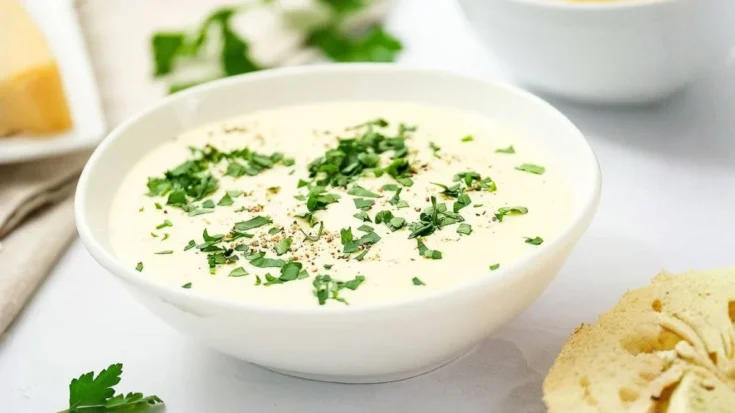
There’s something magical about a velvety alfredo sauce that clings to every strand of pasta, and when you add buttermilk to the mix, you’re in for a delightful surprise. This homemade buttermilk alfredo sauce recipe transforms the classic Italian favorite into something extraordinary lighter, tangier, and incredibly flavorful
Ingredients
- 4 tablespoons unsalted butter (about 57 grams)
- 4-6 cloves fresh garlic, minced and smashed
- 1 cup heavy cream (250 ml)
- ½ cup buttermilk (125 ml)
- 1½ cups freshly grated Parmesan Reggiano cheese (80 grams)
- ¼ teaspoon white pepper
- Salt to taste (start with a small pinch)
- 1 pound fettuccine, tagliatelle, or pappardelle pasta
- Fresh parsley for garnish (optional)
- Cooked chicken breast, grilled shrimp, steamed broccoli, sautéed mushrooms, sun-dried tomatoes, or crispy pancetta
Instructions
Step 1: Prepare Your Mise en Place
Begin by bringing a large pot of generously salted water to a rolling boil for your pasta. Meanwhile, finely grate the Parmesan Reggiano cheese using a box grater or microplane freshly grated cheese melts far better than pre-shredded varieties. Mince your garlic cloves, then give them a good smash with the flat side of your knife to release their aromatic oils.
Step 2: Cook the Pasta
Once your water reaches a boil, add your fettuccine or chosen pasta and cook according to package directions until just al dente (usually 8-10 minutes). Reserve about 1 cup of starchy pasta water before draining this liquid gold will help adjust your sauce consistency later if needed.
Step 3: Start the Sauce Base
In a high-sided saucepan, melt the 4 tablespoons of butter over low to medium heat. Watch carefully to ensure the butter stays pale and doesn’t brown classic buttermilk alfredo should remain light in color. Add your minced and smashed garlic to the melted butter, stirring gently for 2-3 minutes until fragrant and just beginning to sizzle softly.
Step 4: Add the Cream
Pour in 1 cup of heavy cream, whisking to combine with the garlic butter. Keep the heat at low-medium and warm the mixture for 3-5 minutes, stirring occasionally. You want it steaming and hot enough to melt cheese, but never boiling high heat can cause cream to separate and create a grainy texture.
Step 5: Incorporate the Buttermilk
Slowly pour in the ½ cup buttermilk, whisking continuously to blend it smoothly with the cream base. The buttermilk adds that signature tang while maintaining the luxurious texture. Continue heating gently for another 2 minutes.
Step 6: Melt in the Parmesan
Reduce heat to low and gradually add your grated Parmesan cheese in small handfuls, whisking constantly after each addition. Patience is key here adding cheese too quickly or over high heat causes clumping. Continue whisking and cooking for 3-5 minutes until the homemade alfredo sauce thickens beautifully and coats the back of a spoon. When you run your finger through the sauce on the spoon, the line should hold this is called nape consistency.
Step 7: Season to Perfection
Add the ¼ teaspoon white pepper and a small pinch of salt. Taste your buttermilk alfredo sauce before adding more salt, as Parmesan is naturally salty. Adjust seasoning according to your preference, whisking well to distribute evenly.
Step 8: Marry Pasta and Sauce
Add your drained al dente pasta directly into the sauce pan while still on low heat. Using tongs, toss and turn the noodles thoroughly to coat every strand. Let everything mingle together for 1-2 minutes so the pasta absorbs the flavors. If the sauce seems too thick, add reserved pasta water one tablespoon at a time until you reach desired consistency.
Step 9: Add Optional Ingredients
If you’re incorporating extras like grilled chicken, sautéed shrimp, or steamed broccoli, fold them in now and warm through for another minute.
Step 10: Serve Immediately
Transfer your gorgeous buttermilk alfredo to serving plates or bowls while piping hot. The sauce is at its creamiest when freshly made, so enjoy it right away for the ultimate experience.
Notes
Store leftover buttermilk alfredo sauce in an airtight container in the refrigerator for up to 3 days. Reheat gently in a saucepan over low heat, whisking constantly and adding splashes of milk, cream, or pasta water to restore creaminess. Avoid microwaving if possible, as it can cause separation and uneven heating.
Nutrition Information:
Yield:
8Serving Size:
1Amount Per Serving: Calories: 80
This buttermilk alfredo sauce recipe proves that innovation can make classic dishes even better. The subtle tang from buttermilk transforms traditional heavy alfredo into something refreshingly balanced yet still luxuriously creamy.
Whether you’re tossing it with fettuccine for a simple weeknight dinner or dressing it up with grilled chicken and vegetables for guests, this homemade buttermilk alfredo sauce delivers restaurant-quality results every time. Now that you know how to make alfredo sauce with buttermilk, you’ll never go back to jarred versions. Grab your ingredients and experience the magic yourself!
If you enjoyed this recipe, be sure to save it and share it with friends. Don’t forget to follow us on Pinterest and YouTube for more cozy and comfort recipes.