
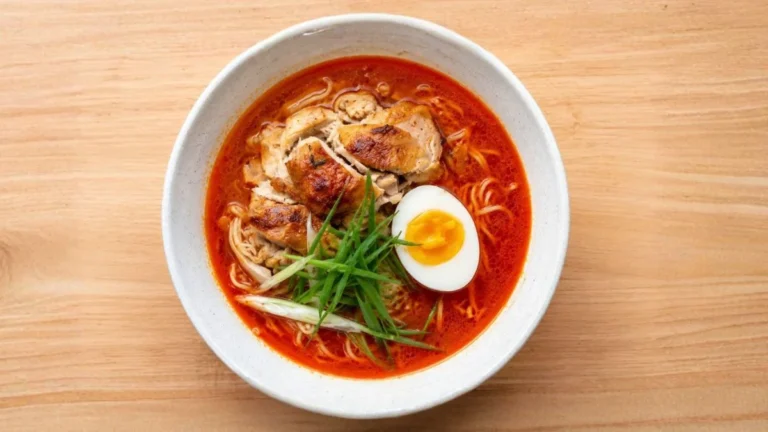

Bold flavors, rich broth, and tender chicken come together beautifully in this Korean spicy chicken noodles recipe. Inspired by the comforting noodle bowls found in Korean cuisine, this dish combines gochujang, kimchi, and slow-simmered chicken to create a deeply satisfying meal packed with spicy and savory goodness.
The combination of fermented kimchi and Korean chili paste gives the broth incredible depth, while the bone-in chicken adds richness as it slowly cooks until perfectly tender.
Every ingredient plays a role in building layers of flavor that make this noodle dish stand out from ordinary ramen recipes. Serve alongside Gyu Kaku Garlic Noodles, crisp cucumber salad, steamed dumplings, or Korean barbecue favorites today.
Perfect for chilly evenings, family dinners, or whenever a craving for something warm and hearty strikes, this homemade Korean spicy chicken noodle bowl delivers restaurant-quality flavor with simple ingredients and straightforward preparation.
My Experience and How Does This Recipe Taste
The first time I made this Korean spicy chicken noodles recipe, I was amazed by how much flavor developed from such simple ingredients. As the broth simmered, the aroma of garlic, ginger, kimchi, and gochujang filled the kitchen, creating an irresistible anticipation for the final dish.
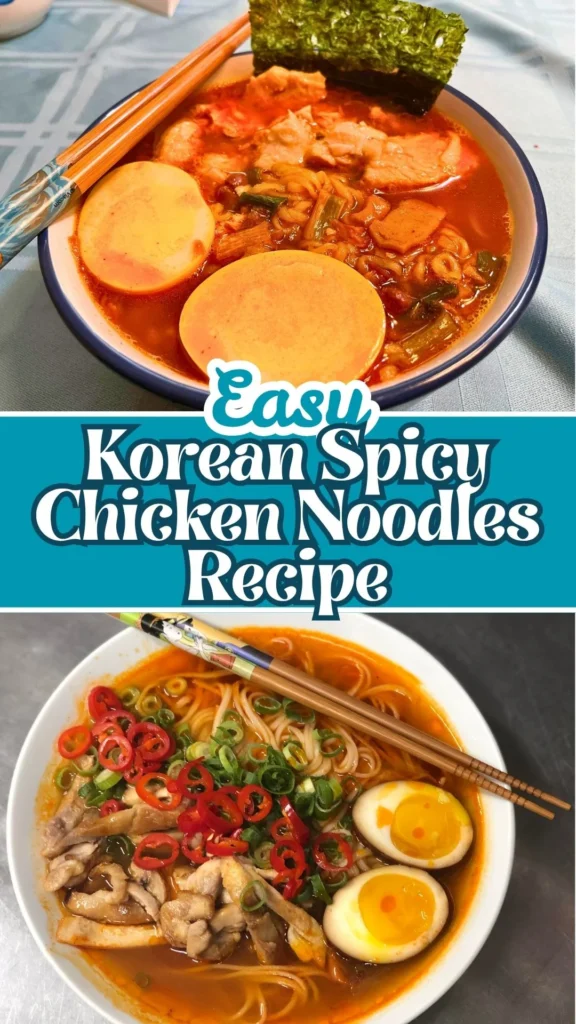
The broth is rich, slightly smoky, spicy, and deeply savory. The kimchi contributes a pleasant tang that balances the warmth of the chili paste, while the slow-cooked chicken becomes incredibly tender and juicy. Grilling the chicken at the end adds a delicious roasted flavor that elevates the entire meal.
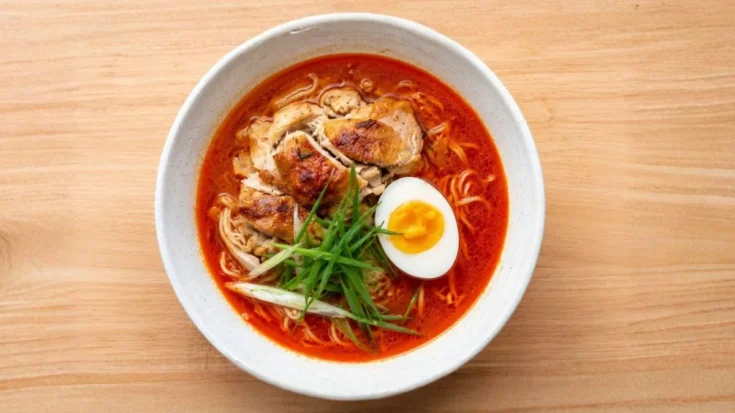
Every spoonful delivers layers of flavor. The chewy ramen noodles soak up the spicy broth beautifully, while the soft egg adds creaminess that balances the heat. Finished with fresh spring onions, this noodle bowl offers the perfect combination of texture, spice, and comfort.
Korean Spicy Chicken Noodles Ingredients
- 1 tablespoon oil
- 1 large onion, sliced
- 4 garlic cloves, minced
- 1-inch ginger piece, sliced into large pieces
- 1 cup kimchi
- 2 tablespoons kimchi juice
- 1½ pounds bone-in chicken thighs or other dark meat pieces
- 2 tablespoons soy sauce
- 6 cups chicken or vegetable stock
- 3 tablespoons Korean gochujang
- 1 teaspoon sesame oil
- Salt, to taste
- 2 packs ramen noodles
- 2 eggs, boiled or soft-cooked
- 2 spring onions, finely chopped
Kitchen Utensils Needed
- Large cooking pot or Dutch oven
- Sharp knife
- Cutting board
- Wooden spoon
- Measuring spoons
- Tongs
- Small brush for sesame oil
- Baking tray
- Oven grill (broiler)
- Noodle strainer
- Serving bowls
Preparation and Cooking Time
- Preparation Time: 15 minutes
- Cooking Time: 1 hour 15 minutes
- Total Time: 1 hour 30 minutes
- Servings: 4 servings
Korean Spicy Chicken Noodles Recipe Steps
Step 1: Sauté the Aromatics
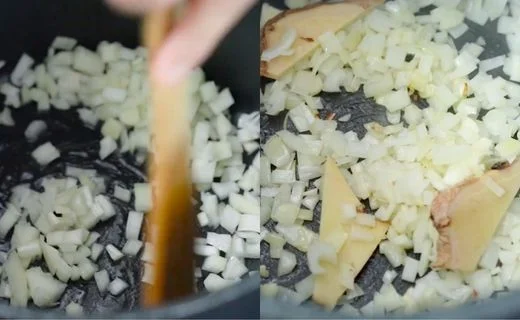
Heat a little oil in a large pot over medium heat. Add the sliced onions and cook slowly until soft, translucent, and slightly sweet. Stir occasionally to prevent browning.
Step 2: Add Garlic and Ginger
Add the minced garlic and large ginger slices to the onions. Cook for about 1 minute until fragrant and aromatic.
Step 3: Build the Flavor Base
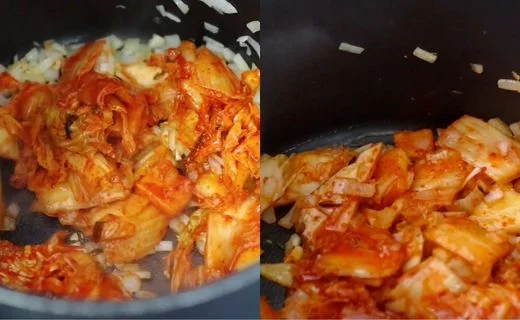
Add the kimchi along with a splash of kimchi juice. Stir well and cook for 2–3 minutes to allow the flavors to develop.
Step 4: Simmer the Chicken Broth
Add the bone-in chicken pieces, soy sauce, stock, and gochujang. Stir thoroughly until the gochujang fully dissolves into the broth.
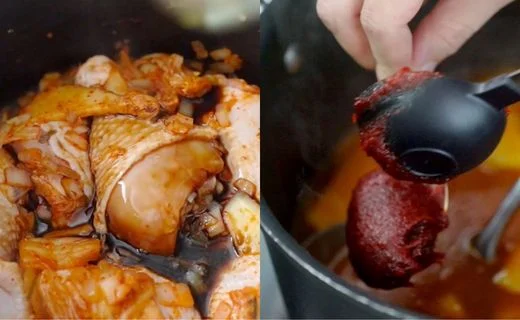
Bring the mixture to a gentle simmer, cover with a lid, and cook for approximately 1 hour or until the chicken becomes fork-tender.
Step 5: Roast the Chicken
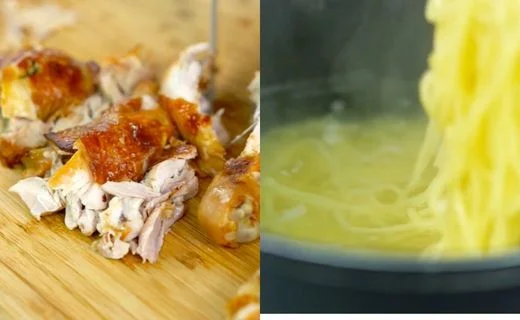
Remove the chicken from the broth and place it on a baking tray. Brush each piece lightly with sesame oil and season with a pinch of salt.

Place under a hot oven grill for about 10 minutes until the skin becomes golden and slightly crispy.
Step 6: Finish the Broth
Remove the large ginger slices from the broth. Taste the soup and adjust seasoning if necessary.
Step 7: Cook the Noodles
Prepare the ramen noodles according to the package instructions. Drain and divide among serving bowls.
Step 8: Assemble the Noodle Bowls
Ladle the hot broth over the noodles, ensuring each bowl receives some kimchi pieces.
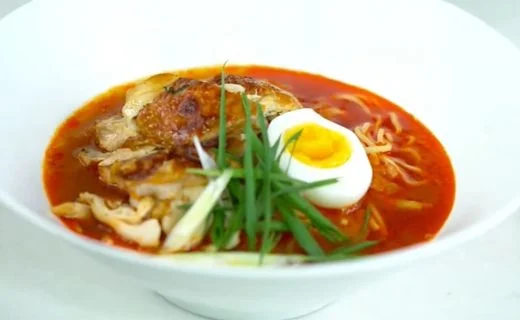
Top with roasted chicken, a boiled or soft egg, and chopped spring onions. Serve immediately and enjoy.
Customization and Pairing Ideas
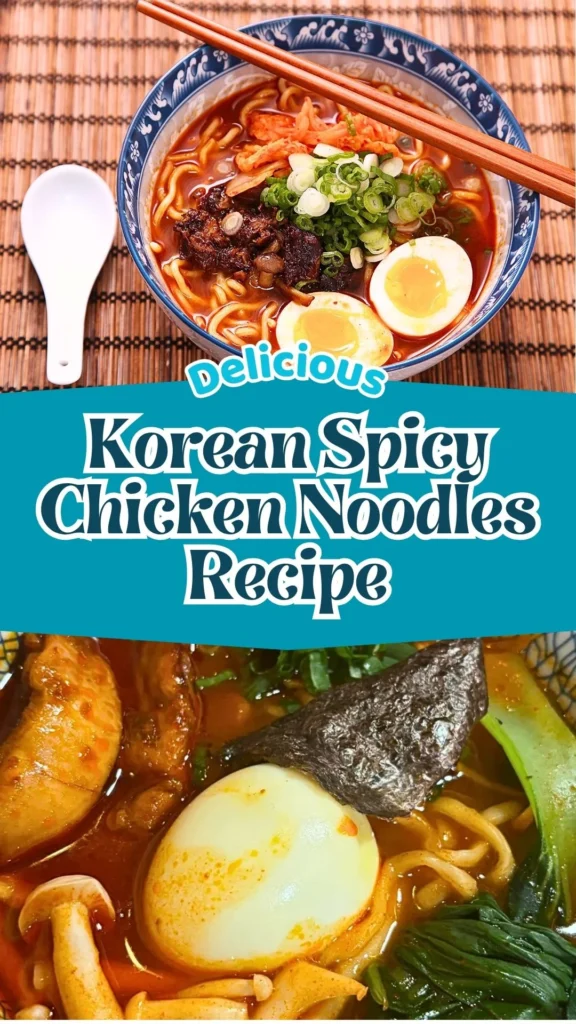
From my experience, mushrooms or bok choy make this ramen heartier, while Korean cucumber salad and iced green tea balance the spice perfectly. Here are some easy customization and pairing ideas.
1. Increase the Heat
For those who enjoy extra spice, add Korean chili flakes (gochugaru) or a drizzle of chili oil before serving. This creates an even bolder flavor profile.
2. Add More Vegetables
Enhance the nutritional value by adding mushrooms, bok choy, spinach, napa cabbage, or shredded carrots. These vegetables absorb the broth beautifully.
3. Use Different Noodles
While ramen noodles work perfectly, udon noodles, rice noodles, or soba noodles are excellent alternatives that offer different textures.
4. Include Extra Protein
You can add shrimp, sliced beef, tofu, or additional chicken for a heartier meal. Tofu is particularly effective for creating a vegetarian variation.
5. Top with Traditional Korean Garnishes
Try adding toasted sesame seeds, roasted seaweed strips, or sliced red chilies. These garnishes enhance both presentation and flavor.
6. Pair with Korean Side Dishes
Serve alongside pickled radish, cucumber salad, kimchi pancakes, or steamed dumplings. These side dishes complement the spicy broth wonderfully.
7. Serve with Refreshing Beverages
The bold flavors pair beautifully with iced green tea, sparkling water with citrus, Korean barley tea, or a cold cucumber drink that helps balance the spice.
These simple variations allow you to customize the recipe based on your preferences while maintaining the signature spicy and savory character of Korean noodle dishes.
Expert Tips for the Best Korean Spicy Chicken Noodles
In my experience, letting the broth simmer gently for the full hour makes a huge difference. It develops deeper kimchi flavor, tender chicken, and a richer, more balanced spicy broth.
1. Use Well-Fermented Kimchi
Older, well-fermented kimchi provides a deeper tangy flavor and creates a richer broth than freshly made kimchi. The extra acidity balances the spicy gochujang beautifully.
2. Don’t Rush the Onions
Cook the onions until they become soft and translucent before adding other ingredients. This simple step builds a naturally sweet flavor base that enhances the entire soup.
3. Choose Bone-In Chicken
Bone-in dark meat chicken releases more flavor into the broth during the long simmering process. It also stays tender and juicy compared to boneless cuts.
4. Adjust the Gochujang to Your Heat Preference
Gochujang varies in spice level depending on the brand. Start with a moderate amount and add more gradually if you prefer a hotter broth.
5. Grill the Chicken for Extra Flavor
Don’t skip the broiling step. Roasting the cooked chicken under high heat creates a delicious caramelized exterior that adds texture and smoky flavor to the finished noodle bowl.
6. Cook the Noodles Separately
Always cook ramen noodles separately from the broth. This prevents the noodles from becoming overly soft and keeps the broth clear and flavorful, especially if you plan to store leftovers.
7. Serve Immediately for the Best Texture
For the ultimate dining experience, assemble the bowls just before serving. Fresh noodles, hot broth, crispy chicken, and a soft egg create the perfect combination of textures and flavors.
Storage and Reheating Guidance
Store leftover broth and chicken separately from the noodles in airtight containers in the refrigerator for up to 3 days. Reheat the broth gently on the stovetop until hot. Cook fresh noodles when serving for the best texture and flavor. The broth can also be frozen for up to 2 months.
Korean Spicy Chicken Noodles Recipe
Bold flavors, rich broth, and tender chicken come together beautifully in this Korean spicy chicken noodles recipe. Inspired by the comforting noodle bowls found in Korean cuisine, this dish combines gochujang, kimchi, and slow-simmered chicken to create a deeply satisfying meal packed with spicy and savory goodness. The combination of fermented kimchi and Korean chili paste gives the broth incredible depth, while the bone-in chicken adds richness as it slowly cooks until perfectly tender.
Ingredients
- 1 tablespoon oil
- 1 large onion, sliced
- 4 garlic cloves, minced
- 1-inch ginger piece, sliced into large pieces
- 1 cup kimchi
- 2 tablespoons kimchi juice
- 1½ pounds bone-in chicken thighs or other dark meat pieces
- 2 tablespoons soy sauce
- 6 cups chicken or vegetable stock
- 3 tablespoons Korean gochujang
- 1 teaspoon sesame oil
- Salt, to taste
- 2 packs ramen noodles
- 2 eggs, boiled or soft-cooked
- 2 spring onions, finely chopped
Instructions
Step 1: Sauté the Aromatics
Heat a little oil in a large pot over medium heat. Add the sliced onions and cook slowly until soft, translucent, and slightly sweet. Stir occasionally to prevent browning.
Step 2: Add Garlic and Ginger
Add the minced garlic and large ginger slices to the onions. Cook for about 1 minute until fragrant and aromatic.
Step 3: Build the Flavor Base
Add the kimchi along with a splash of kimchi juice. Stir well and cook for 2–3 minutes to allow the flavors to develop.
Step 4: Simmer the Chicken Broth
Add the bone-in chicken pieces, soy sauce, stock, and gochujang. Stir thoroughly until the gochujang fully dissolves into the broth. Bring the mixture to a gentle simmer, cover with a lid, and cook for approximately 1 hour or until the chicken becomes fork-tender.
Step 5: Roast the Chicken
Remove the chicken from the broth and place it on a baking tray. Brush each piece lightly with sesame oil and season with a pinch of salt. Place under a hot oven grill for about 10 minutes until the skin becomes golden and slightly crispy.
Step 6: Finish the Broth
Remove the large ginger slices from the broth. Taste the soup and adjust seasoning if necessary.
Step 7: Cook the Noodles
Prepare the ramen noodles according to the package instructions. Drain and divide among serving bowls.
Step 8: Assemble the Noodle Bowls
Ladle the hot broth over the noodles, ensuring each bowl receives some kimchi pieces. Top with roasted chicken, a boiled or soft egg, and chopped spring onions. Serve immediately and enjoy.
Notes
Store leftover broth and chicken separately from the noodles in airtight containers in the refrigerator for up to 3 days. Reheat the broth gently on the stovetop until hot. Cook fresh noodles when serving for the best texture and flavor. The broth can also be frozen for up to 2 months
Nutrition Information:
Yield:
6Serving Size:
1Amount Per Serving: Calories: 229
Frequently Asked Questions
Discover answers to the most common Korean Spicy Chicken Noodles Recipe questions people ask.
How spicy are these Korean spicy chicken noodles?
From our experience, these noodles have a medium-to-high spice level thanks to the gochujang and kimchi. The heat is noticeable but balanced by the rich broth, tender chicken, and egg. If you’re comfortable with moderately spicy foods, you should find them flavorful rather than overwhelming.
How can I make them less spicy?
We’ve found that reducing the amount of gochujang is the easiest way to lower the heat. You can also add extra stock to dilute the broth or serve the noodles with an additional soft-boiled egg. A splash of cream or a little cheese can also help mellow the spice.
How do I cook Korean spicy chicken noodles?
We start by sautéing onions, garlic, and ginger before adding kimchi, chicken, stock, soy sauce, and gochujang. The mixture simmers until the chicken becomes tender. After roasting the chicken briefly under the grill, we cook the ramen noodles separately and assemble everything together with broth, egg, and spring onions.
Can I use boneless chicken instead of bone-in chicken?
Yes, we’ve made this recipe with boneless chicken thighs and it works very well. However, bone-in chicken tends to create a richer and more flavorful broth during the long simmering process.
What type of noodles work best for this recipe?
Ramen noodles are our favorite choice because they absorb the spicy broth beautifully. We’ve also tried udon noodles and rice noodles, both of which work well if you prefer a different texture.
Can I make this recipe ahead of time?
Absolutely. In fact, we’ve noticed the broth often tastes even better the next day as the flavors continue to develop. Just store the noodles separately to prevent them from becoming too soft.
Is kimchi necessary for this recipe?
In our opinion, kimchi is one of the key ingredients because it provides tanginess and depth that make the broth unique. If you don’t have kimchi, the recipe will still work, but the flavor won’t be quite as authentic or complex.
Can I freeze the broth?
Yes, we’ve successfully frozen the broth for up to two months. For the best results, freeze only the broth and chicken. Prepare fresh noodles when you’re ready to serve.
What can I serve with Korean spicy chicken noodles?
We love serving these noodles with Korean side dishes like pickled radish, cucumber salad, dumplings, or extra kimchi. A refreshing iced tea also pairs nicely with the spicy flavors.
Why is my broth not flavorful enough?
From our experience, the most common reason is not allowing enough simmering time. Letting the chicken cook slowly for about an hour helps build a rich broth. We also recommend tasting before serving and adjusting the soy sauce, gochujang, or kimchi juice as needed.
This Korean spicy chicken noodles recipe brings together everything people love about comfort food—tender roasted chicken, flavorful broth, tangy kimchi, and satisfying ramen noodles. It’s rich, spicy, and packed with authentic Korean-inspired flavors that make every bowl memorable.
Give this recipe a try and let us know how it turned out. If you enjoyed it, share it with fellow noodle lovers and save it for your next cozy dinner night.
If you enjoyed this recipe, be sure to save it and share it with friends. Don’t forget to follow us on Pinterest and YouTube for more cozy and comfort recipes.