
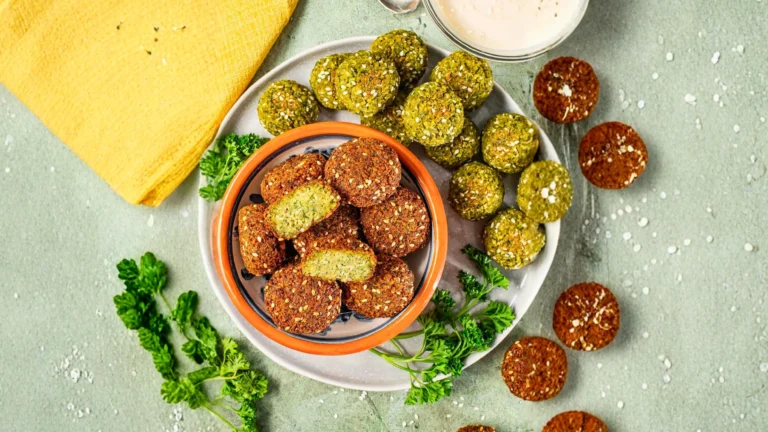

Craving those perfectly crispy, herbaceous falafel from your favorite Mediterranean spot? This copycat Cava falafel recipe brings the magic of restaurant-style falafel bowls right into your kitchen.
Unlike many quick versions, this best falafel recipe uses dried chickpeas and fresh herbs to create authentic texture and flavor that rivals any Greek falafel bowl.
Whether you’re planning a vibrant Cava falafel bowl spread or simply want crispy golden fritters for wraps and salads, this method delivers consistently delicious results.
The secret? Proper soaking, fresh herbs, and that crucial chilling time that transforms simple ingredients into irresistible Mediterranean perfection.
What Does It Taste Like?
This cava falafel offers a complex flavor profile that’s both earthy and bright. The exterior shatters with satisfying crispness, giving way to a fluffy, herb-packed interior bursting with fresh cilantro, parsley, and dill.
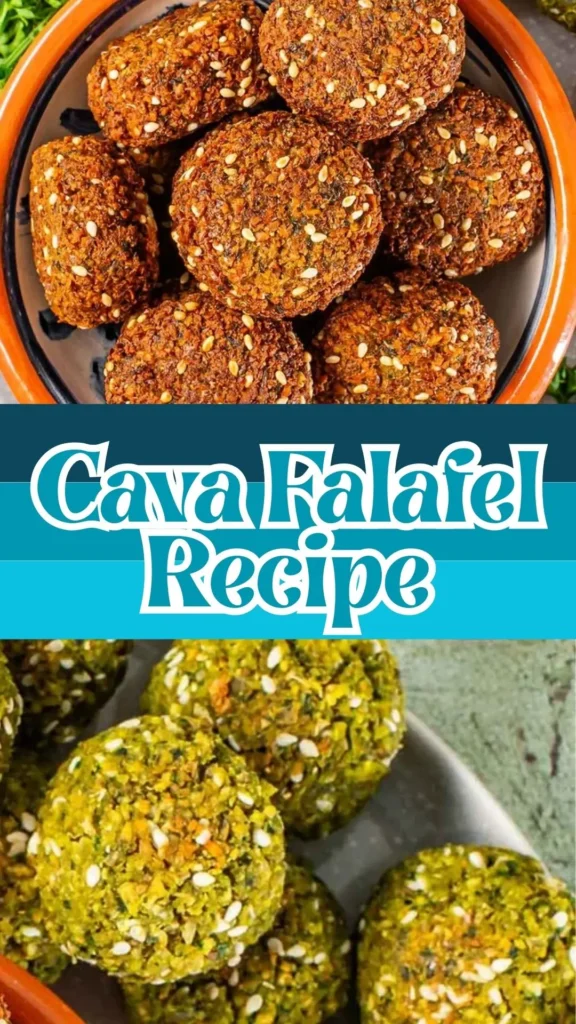
Roasted garlic adds subtle sweetness while balancing the bold, grassy notes from the herbs. Each bite delivers nutty chickpea richness complemented by warm cumin and coriander undertones. The texture is wonderfully light yet substantial never dense or dry like store-bought versions.
It’s aromatic, slightly savory with gentle heat if you add spice, and perfectly balanced to anchor any falafel bowl while letting accompanying sauces and vegetables shine.
Cava Falafel Recipe Ingredients
For the Falafel
- 2 cups dried chickpeas (never use canned)
- 2 teaspoons baking soda (for soaking)
- 1 cup fresh cilantro, roughly chopped
- 1 cup fresh parsley, roughly chopped
- ½ cup fresh dill, roughly chopped
- 6-8 cloves garlic (roasted for sweeter flavor, or mix roasted and raw)
- 1 medium onion, roughly chopped
- 2 teaspoons ground cumin
- 1½ teaspoons ground coriander
- 1 teaspoon salt (adjust to taste)
- ½ teaspoon black pepper
- ½ teaspoon cayenne pepper (optional, for spicy falafel)
- 1 teaspoon baking powder (optional, for extra fluffiness)
- 2-3 tablespoons all-purpose flour or chickpea flour (if mixture is too wet)
For Serving (Greek Falafel Bowl)
- Cooked grains (rice, quinoa, or couscous)
- Fresh vegetables (tomatoes, cucumbers, red onion)
- Tahini sauce or tzatziki
- Hummus
- Pickled vegetables
- Pita bread
- Fresh greens (arugula, spinach, or lettuce)
Kitchen Utensils
- Large mixing bowl (for soaking chickpeas)
- Food processor
- Baking sheet (for roasting garlic)
- Parchment paper or silicone mat
- Cookie scoop or falafel scoop
- Air fryer, oven, or deep fryer
- Mixing bowls
- Kitchen towel
- Measuring cups and spoons
Preparation and Cooking Time
- Soaking Time: 12-24 hours
- Prep Time: 20 minutes (plus chilling time: 2-4 hours)
- Cooking Time: 15-20 minutes
- Total Time: 13-25 hours (mostly inactive)
- Servings: 20-24 falafel (serves 6-8 people)
Cava Falafel Recipe Instructions
Step 1: Soak the Chickpeas
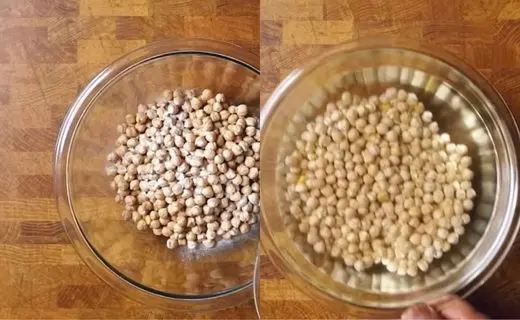
Place 2 cups dried chickpeas in a large bowl and cover with plenty of water (at least 3 inches above the chickpeas). Add 2 teaspoons baking soda and stir. Let soak for minimum 12 hours, up to 24 hours at room temperature. The chickpeas will double in size.
Step 2: Roast the Garlic (Optional but Recommended)
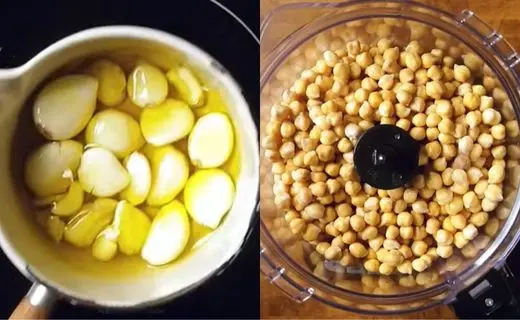
While chickpeas soak, preheat oven to 400°F. Cut the top off a garlic head, drizzle with olive oil, wrap in foil, and roast for 35-40 minutes until golden and soft. This creates sweeter, milder cava falafel ingredients that enhance flavor without harsh bite.
Step 3: Drain and Prepare
After soaking, drain the chickpeas thoroughly and rinse under cold water. Pat completely dry with a kitchen towel excess moisture prevents crispy falafel and makes the mixture too loose.
Step 4: Process the Mixture
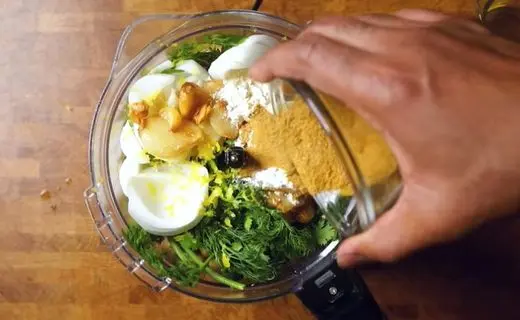
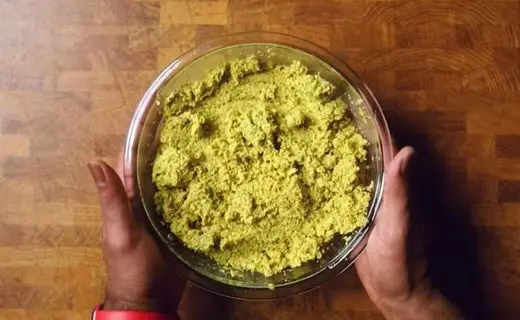
Add soaked chickpeas, fresh cilantro, parsley, dill, roasted garlic (squeeze cloves from skin), onion, cumin, coriander, salt, pepper, and optional cayenne to your food processor. Pulse 15-20 times until the mixture resembles coarse oatmeal or wet sand not smooth like hummus, but sticky enough to hold together. This is the key to the best falafel recipe texture.
Step 5: Chill the Mixture
Transfer to a bowl, add optional baking powder and mix well. Cover and refrigerate for at least 2-4 hours. This step is crucial it allows flavors to meld and the mixture to become sticky enough to shape properly. Do not skip this.
Step 6: Shape the Falafel
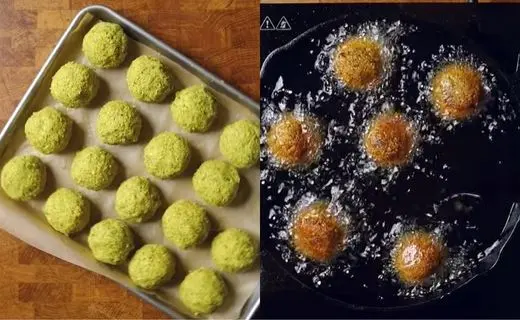
Using damp hands or a cookie scoop, form the mixture into thick patties about 2 inches wide and ¾ inch thick like hockey pucks, not thin burger patties. The thickness ensures fluffy interiors while achieving crispy exteriors.
Step 7: Cook Your Falafel
For Air Fryer (Recommended): Preheat air fryer to 375°F. Spray falafel lightly with oil and arrange in a single layer. Cook 12-15 minutes, flipping halfway, until golden and crispy. This falafel recipe air fryer method uses less oil while achieving excellent results.
For Baking: Preheat oven to 400°F. Place falafel on parchment-lined baking sheet, brush with oil, and bake 25-30 minutes, flipping once, until crispy and golden.
For Deep Frying: Heat 2-3 inches of neutral oil to 350°F. Fry falafel in batches for 3-4 minutes per side until deep golden brown. This creates the most authentic crispy texture.

Step 8: Serve Immediately
Remove from heat and let rest 2-3 minutes. Serve hot in your favorite falafel bowl configuration with all your favorite Mediterranean toppings.
Customization and Pairing for Serving Ideas
1. Classic Greek Falafel Bowl
Build the ultimate Cava falafel bowl by layering fluffy basmati rice or quinoa, crispy falafel, diced cucumbers, cherry tomatoes, red onion, Kalamata olives, crumbled feta, and a generous drizzle of tzatziki sauce. Add a lemon wedge and fresh dill for an authentic Mediterranean experience that rivals any restaurant version.
2. Spicy Harissa Bowl
Transform your falafel cava into a heat-lover’s dream by tossing the cooked falafel in harissa paste. Serve over couscous with roasted red peppers, chickpeas, pickled turnips, and a cooling cucumber-mint yogurt sauce. This spicy falafel variation adds North African flair while maintaining that signature crispy exterior.
3. Mezze Platter Style
Arrange warm falafel alongside hummus, baba ganoush, tabbouleh, stuffed grape leaves, and warm pita bread. This sharing-style presentation works beautifully for gatherings and lets guests customize their falafel bowls with various dips and accompaniments. Include pickled vegetables and olives for authentic mezze vibes.
4. Falafel Wrap Supreme
Stuff warm pita with falafel, tahini sauce, pickled cabbage, fresh tomatoes, cucumbers, and a handful of crispy French fries (yes, really it’s traditional!). This portable option makes your easy falafel recipe perfect for lunch boxes or casual dinners. The combination of textures creates an addictive eating experience.
5. Power Bowl with Tahini Dressing
Create a nutritious bowl with mixed greens (arugula and spinach), roasted sweet potatoes, shredded red cabbage, avocado slices, and your homemade falafel. Drizzle generously with lemon-tahini dressing and sprinkle with sesame seeds. This lighter greek falafel bowl option is packed with plant-based protein and vibrant flavors.
6. Breakfast Falafel Bowl
Repurpose your falafel recipe canned chickpeas alternative into a breakfast bowl by serving falafel over sautéed spinach and tomatoes, topped with a fried or poached egg, crumbled feta, and za’atar. The runny yolk creates a luxurious sauce that transforms morning meals into something extraordinary.
7. Fusion Buddha Bowl
Combine Mediterranean and Asian influences by pairing falafel with edamame, shredded carrots, purple cabbage, and a miso-tahini dressing over brown rice. Add pickled ginger and sesame seeds for a creative twist on traditional falafel bowls that introduces exciting new flavor dimensions while honoring the original’s integrity.
Expert Tips for Perfect Falafel
1. Never Use Canned Chickpeas
This is the cardinal rule for authentic falafel. Canned chickpeas contain too much moisture and have already been cooked, resulting in mushy, dense falafel that falls apart during cooking. Only dried chickpeas that you soak yourself will give you that signature crispy exterior and fluffy interior. This single tip separates the best falafel recipe from disappointing versions trust the process and plan ahead for soaking time.
2. Don’t Over-Process the Mixture
Stop pulsing when the mixture resembles coarse, wet sand or oatmeal texture not smooth hummus. You should still see tiny chickpea pieces throughout. Over-processing releases too much moisture and creates a paste that fries up dense and heavy. Pulse in short bursts and check frequently. It’s nearly impossible to under-process, but very easy to go too far. The right texture ensures your cava falafel ingredients bind properly while maintaining that essential light, crispy quality.
3. The Chill is Non-Negotiable
Refrigerating your falafel mixture for 2-4 hours (or overnight) serves multiple purposes: it firms up the mixture for easier shaping, allows the flour or binding agents to hydrate properly, lets flavors meld beautifully, and makes the mixture sticky enough to hold together during cooking. Skipping this step is the number one reason homemade falafel falls apart. Be patient this waiting period is what transforms good falafel into exceptional falafel cava quality.
4. Master the Shape and Size
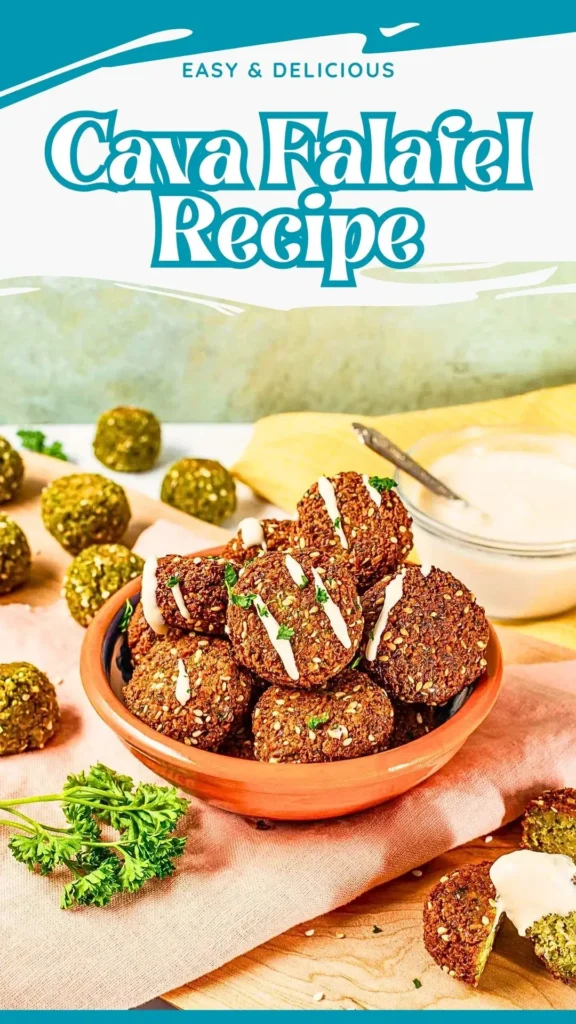
Form thick, compact patties about 2 inches across and ¾ inch thick like hockey pucks, not thin burger patties. This specific shape ensures the exterior gets wonderfully crispy while the interior stays moist and fluffy. Thin falafel dry out quickly and lose that textural contrast. Use a cookie scoop for consistent sizing, which also ensures even cooking across your batch of falafel bowls.
5. Fresh Herbs Make All the Difference
The generous amount of fresh cilantro, parsley, and dill isn’t just for flavor these herbs add moisture, vibrant color, and that distinctive bright taste that defines quality falafel. Don’t substitute dried herbs, which lack the necessary moisture and fresh flavor. Feel free to adjust ratios based on preference, or add spinach and arugula for variation. The herbs should be roughly chopped before processing for even distribution throughout your easy falafel recipe mixture.
6. Test Fry One First
Before shaping your entire batch, make one test falafel and cook it. This allows you to check if the mixture holds together properly and adjust seasoning if needed. If it falls apart, add 1-2 tablespoons of flour and chill 30 more minutes. If it’s too dense, you may have over-processed (unfortunately hard to fix). This simple quality check prevents disappointment and wasted ingredients.
7. Freeze for Future Convenience
This falafel recipe air fryer friendly mixture freezes beautifully. Shape uncooked falafel, place on a parchment-lined tray, and freeze until solid. Transfer to freezer bags for up to 3 months. Cook directly from frozen, adding 3-5 extra minutes to cooking time. This transforms falafel from a day-long project into a quick weeknight meal option, giving you restaurant-quality spicy falafel whenever cravings strike without the lengthy prep work.
Storage and Reheating Guidance
Store cooked falafel in an airtight container in the refrigerator for up to 4 days. Reheat in a 350°F oven or air fryer for 5-7 minutes to restore crispiness avoid microwaving, which makes them soggy. Uncooked mixture keeps refrigerated for 2 days or freeze shaped patties for up to 3 months.
Common Queries and FAQs
Here, we’ve got you covered with some common questions about the Cava Falafel Recipe that people often ask.
Can I use canned chickpeas for this falafel recipe?
No, canned chickpeas are not recommended for authentic falafel. They’re already cooked and contain too much moisture, resulting in mushy falafel that falls apart and lacks the proper texture. The best falafel recipe always uses dried chickpeas that you soak yourself. Dried chickpeas create the right consistency firm enough to hold together with a fluffy interior and crispy exterior. If you’re short on time, look for quick-soak methods, but never skip the dried chickpea step for quality results.
Why do I need to soak chickpeas for so long?
The 12-24 hour soaking time serves several crucial purposes for your copycat Cava falafel recipe. First, it rehydrates the dried chickpeas to the perfect moisture level not too dry, not too wet. Second, soaking with baking soda helps soften the chickpeas and makes them easier to process. Third, it begins breaking down complex sugars that can cause digestive discomfort. The lengthy soak is what gives falafel its signature texture. Chickpeas should roughly double in size and be tender but still hold their shape when pinched.
What’s the difference between baked and fried falafel?
Deep-fried falafel offers the most authentic experience with maximum crispiness and rich flavor from oil absorption. However, baking or air frying creates healthier versions that still deliver excellent results. For this falafel recipe air fryer method, you’ll get crispy exteriors with about 70% less oil while maintaining fluffy interiors. Baked falafel tends to be slightly drier but works well when served with plenty of sauce. Air frying offers the best compromise healthier than deep frying but crispier than baking.
Can I make falafel without a food processor?
While a food processor is ideal for creating the perfect texture, you can use a high-powered blender (pulse in small batches) or even a meat grinder for your cava falafel ingredients. Avoid immersion blenders, which make the mixture too smooth. In a pinch, you could even mash by hand with a potato masher, though this requires significant effort and won’t achieve quite the same consistency. The key is achieving that coarse, sandy texture not smooth paste regardless of your equipment.
Why is my falafel falling apart?
Falling apart typically happens for three reasons: using canned instead of dried chickpeas, not chilling the mixture long enough, or adding too much liquid. Make sure you drain and pat dry your soaked chickpeas thoroughly before processing. The mixture should feel tacky and hold together when squeezed if it’s crumbly, add 1-2 tablespoons of flour and refrigerate another hour. The easy falafel recipe mixture firms up considerably during chilling, so patience is essential. Also ensure you’re not over-processing, which releases too much moisture.
How do I make spicy falafel?
To create spicy falafel, add ½-1 teaspoon cayenne pepper to the mixture, or include fresh jalapeños or serrano peppers when processing. You can also incorporate red pepper flakes, harissa paste, or hot paprika. For a finishing touch, toss cooked falafel in harissa or serve with spicy tahini sauce made by blending tahini with lemon juice, garlic, and sriracha. Start with less heat than you think you need you can always serve with spicy sauces but can’t tone down overly spicy falafel.
What herbs work best in falafel?
The classic combination is cilantro, parsley, and dill, as used in this Cava falafel bowl recipe. However, you can customize based on preference. Substitute or add fresh mint for brightness, spinach for color and nutrition, arugula for peppery notes, or green onions for mild onion flavor. Always use fresh herbs dried won’t provide the necessary moisture or vibrant flavor. Aim for about 2 cups total fresh herbs, roughly chopped. The herbs should comprise about 20-25% of your mixture for optimal flavor and texture.
Can I make a Greek falafel bowl like restaurants?
Absolutely! To recreate an authentic greek falafel bowl, start with a base of fluffy rice, quinoa, or couscous. Add your homemade falafel, then pile on diced cucumbers, tomatoes, red onions, Kalamata olives, and crumbled feta cheese. Drizzle generously with tzatziki sauce (Greek yogurt, cucumber, garlic, dill, and lemon) and tahini sauce. Include pickled vegetables, fresh greens like arugula, and a lemon wedge. The key is variety multiple textures, temperatures, and flavors that complement the falafel’s earthy richness.
How can I make falafel fluffier?
For extra fluffy falafel, add 1 teaspoon of baking powder to your mixture just before shaping (after the chilling period). Ensure you’re not over-processing the chickpeas stop at that coarse, grainy texture. Don’t pack the falafel too tightly when shaping; gentle forming creates air pockets that expand during cooking. The roasted garlic in this recipe also contributes to fluffiness by adding gentle sweetness without density. Finally, proper oil temperature (350°F for frying) or adequate air circulation (air fryer) allows steam to create that light, airy interior texture.
How do I prevent falafel from being too dry?
Dry falafel usually results from over-baking, using too much flour, or making patties too thin. Shape your falafel bowls components into thick hockey-puck shapes, not thin discs. Don’t add extra flour unless the mixture won’t hold together the fresh herbs provide necessary moisture. Cook at the right temperature: 350°F for frying, 375°F for air frying, 400°F for baking. Don’t overcook remove when golden brown, not dark brown. Serve immediately with plenty of sauce, and consider brushing with olive oil before baking for added moisture and flavor.
Can I substitute ingredients in this copycat Cava recipe?
Yes, with some considerations for your copycat Cava falafel recipe. You can swap herbs (mint for cilantro, for example), use shallots instead of onions, or adjust spice levels. However, don’t substitute the dried chickpeas for canned, and don’t skip the fresh herbs entirely they’re essential for authentic texture and flavor. If you’re gluten-free, use chickpea flour instead of all-purpose flour. For low-carb versions, some people add cauliflower, though this changes the traditional texture significantly. The core components dried chickpeas, fresh herbs, and proper technique should remain consistent.
What’s the best oil for frying falafel?
Use neutral, high-heat oils like vegetable, canola, grapeseed, or sunflower oil for deep frying your falafel cava. These oils have high smoke points (400°F+) and won’t impart unwanted flavors. Avoid olive oil for deep frying as it has a lower smoke point and strong flavor, though light olive oil works for shallow frying or baking. Maintain oil temperature at 350°F too cool and falafel absorbs excess oil becoming greasy; too hot and they burn outside while staying raw inside. Use a thermometer for consistent results.
How many falafel should I serve per person?
For a falafel bowl as a main course, plan for 4-6 falafel per person, depending on appetite and accompaniments. If serving as an appetizer or part of a mezze spread, 2-3 per person is sufficient. This recipe yields approximately 20-24 falafel, serving 6-8 people as a main dish. Children typically eat 2-3 falafel. If you’re serving multiple protein options or abundant sides, reduce the per-person amount. Falafel are filling due to the chickpea protein and fiber content, so a little goes a long way.
Cava Falafel Recipe
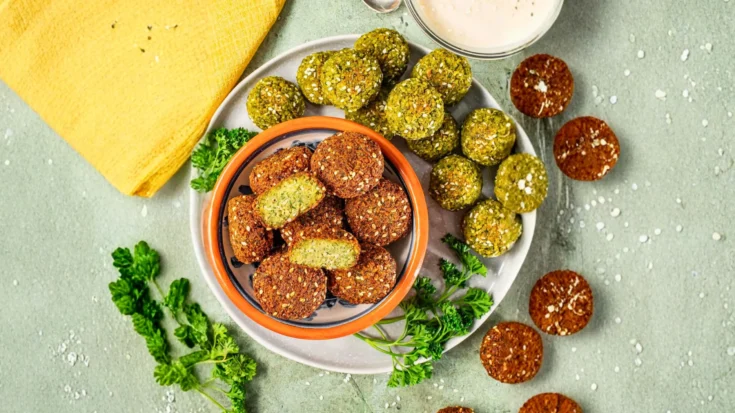
Craving those perfectly crispy, herbaceous falafel from your favorite Mediterranean spot? This copycat Cava falafel recipe brings the magic of restaurant-style falafel bowls right into your kitchen. Unlike many quick versions, this best falafel recipe uses dried chickpeas and fresh herbs to create authentic texture and flavor that rivals any Greek falafel bowl.
Ingredients
- 2 cups dried chickpeas (never use canned)
- 2 teaspoons baking soda (for soaking)
- 1 cup fresh cilantro, roughly chopped
- 1 cup fresh parsley, roughly chopped
- ½ cup fresh dill, roughly chopped
- 6-8 cloves garlic (roasted for sweeter flavor, or mix roasted and raw)
- 1 medium onion, roughly chopped
- 2 teaspoons ground cumin
- 1½ teaspoons ground coriander
- 1 teaspoon salt (adjust to taste)
- ½ teaspoon black pepper
- ½ teaspoon cayenne pepper (optional, for spicy falafel)
- 1 teaspoon baking powder (optional, for extra fluffiness)
- 2-3 tablespoons all-purpose flour or chickpea flour (if mixture is too wet)
- Cooked grains (rice, quinoa, or couscous)
- Fresh vegetables (tomatoes, cucumbers, red onion)
- Tahini sauce or tzatziki
- Hummus
- Pickled vegetables
- Pita bread
- Fresh greens (arugula, spinach, or lettuce)
Instructions
Step 1: Soak the Chickpeas
Place 2 cups dried chickpeas in a large bowl and cover with plenty of water (at least 3 inches above the chickpeas). Add 2 teaspoons baking soda and stir. Let soak for minimum 12 hours, up to 24 hours at room temperature. The chickpeas will double in size.
Step 2: Roast the Garlic (Optional but Recommended)
While chickpeas soak, preheat oven to 400°F. Cut the top off a garlic head, drizzle with olive oil, wrap in foil, and roast for 35-40 minutes until golden and soft. This creates sweeter, milder cava falafel ingredients that enhance flavor without harsh bite.
Step 3: Drain and Prepare
After soaking, drain the chickpeas thoroughly and rinse under cold water. Pat completely dry with a kitchen towel excess moisture prevents crispy falafel and makes the mixture too loose.
Step 4: Process the Mixture
Add soaked chickpeas, fresh cilantro, parsley, dill, roasted garlic (squeeze cloves from skin), onion, cumin, coriander, salt, pepper, and optional cayenne to your food processor. Pulse 15-20 times until the mixture resembles coarse oatmeal or wet sand not smooth like hummus, but sticky enough to hold together. This is the key to the best falafel recipe texture.
Step 5: Chill the Mixture
Transfer to a bowl, add optional baking powder and mix well. Cover and refrigerate for at least 2-4 hours. This step is crucial it allows flavors to meld and the mixture to become sticky enough to shape properly. Do not skip this.
Step 6: Shape the Falafel
Using damp hands or a cookie scoop, form the mixture into thick patties about 2 inches wide and ¾ inch thick like hockey pucks, not thin burger patties. The thickness ensures fluffy interiors while achieving crispy exteriors.
Step 7: Cook Your Falafel
For Air Fryer (Recommended): Preheat air fryer to 375°F. Spray falafel lightly with oil and arrange in a single layer. Cook 12-15 minutes, flipping halfway, until golden and crispy. This falafel recipe air fryer method uses less oil while achieving excellent results. For Baking: Preheat oven to 400°F. Place falafel on parchment-lined baking sheet, brush with oil, and bake 25-30 minutes, flipping once, until crispy and golden.
For Deep Frying: Heat 2-3 inches of neutral oil to 350°F. Fry falafel in batches for 3-4 minutes per side until deep golden brown. This creates the most authentic crispy texture.
Step 8: Serve Immediately
Remove from heat and let rest 2-3 minutes. Serve hot in your favorite falafel bowl configuration with all your favorite Mediterranean toppings.
Notes
Store cooked falafel in an airtight container in the refrigerator for up to 4 days. Reheat in a 350°F oven or air fryer for 5-7 minutes to restore crispiness avoid microwaving, which makes them soggy. Uncooked mixture keeps refrigerated for 2 days or freeze shaped patties for up to 3 months.
Nutrition Information:
Yield:
10Serving Size:
1Amount Per Serving: Calories: 100
This copycat Cava falafel recipe proves that restaurant-quality Mediterranean flavors are completely achievable in your home kitchen. While the process requires patience especially during soaking and chilling the results are absolutely worth it: crispy exteriors giving way to fluffy, herb-packed interiors that put store-bought versions to shame.
Whether you build elaborate falafel bowls, serve them in wraps, or enjoy them as part of a mezze platter, these golden fritters deliver authentic taste and texture every time. Now you have the knowledge to create endless variations and customize your perfect greek falafel bowl experience whenever cravings strike!
If you enjoyed this recipe, be sure to save it and share it with friends. Don’t forget to follow us on Pinterest and YouTube for more cozy and comfort recipes.